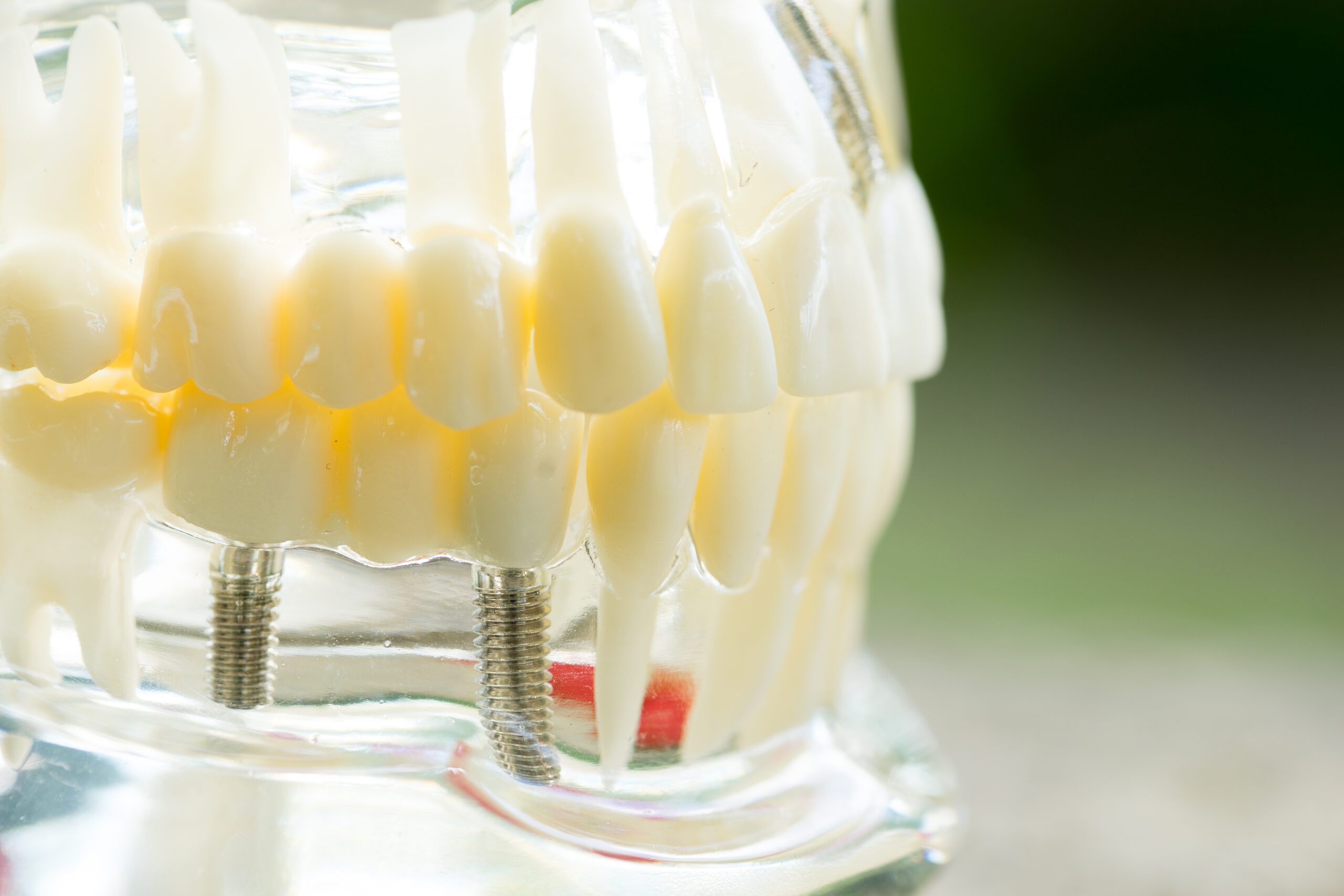
How Much Do Dental Implants Cost in Richmond, TX?
Complete price breakdown for single tooth, multiple teeth, and full-arch implants at Best Dental — with real numbers, no hidden fees, and honest guidance on insurance and financing.
Real Implant Costs at Best Dental
Dental implant pricing is often presented as a starting number that bears little resemblance to the final bill. This guide breaks down every component — what you'll pay at Best Dental, what insurance typically covers, and how to finance the rest.
Dental implants at Best Dental in Richmond, TX start at $1,995 per implant. Unlike most practices that quote the implant post alone, we provide complete treatment estimates covering every phase — implant, abutment, crown, and any preparatory procedures — before you commit to anything.
Dental implants boast an impressive success rate of approximately 95–98% when performed by skilled professionals. Factors influencing success include patient health, bone density, surgical precision, and post-operative care.
Dental Implant Price Breakdown
All prices below are Best Dental's actual rates in Richmond, TX. Written estimates are provided before any work begins — no surprises.
What's included in the $1,995 implant price?
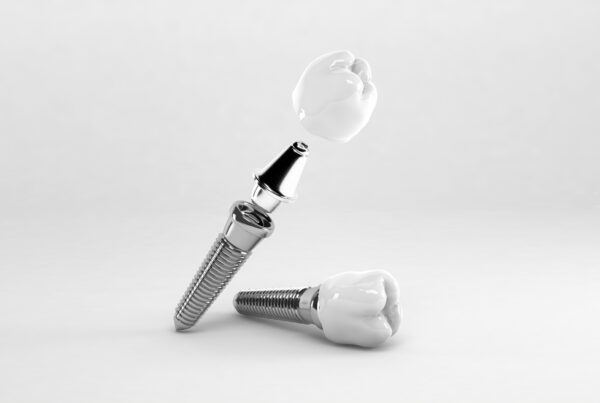
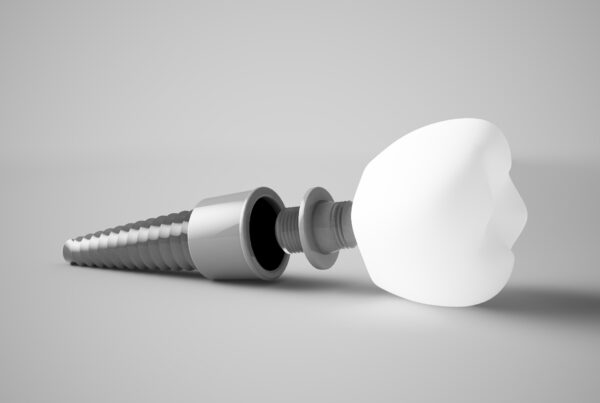
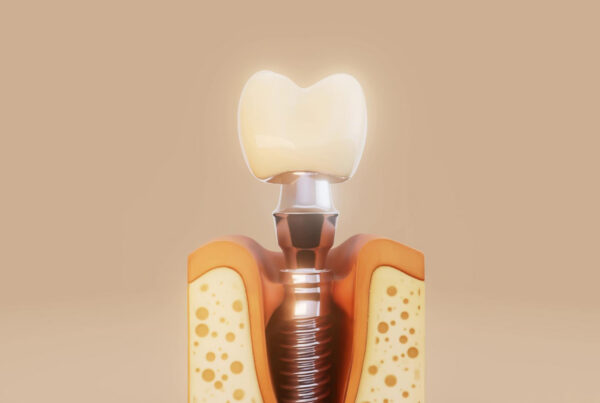
The $1,995 covers the titanium implant post placement surgery. The abutment (connector) and porcelain crown are additional — together, a complete single-tooth implant at Best Dental typically runs $3,500–$5,500 depending on the crown material selected. A written itemized estimate is provided at your consultation before any commitment.
Factors That Affect Implant Cost
Several variables determine your final implant cost. Understanding them helps you plan accurately and avoid surprises.
Number of teeth being replaced
The primary driver. A single implant costs a fraction of full-arch restoration. Package pricing for multiple implants typically offers better per-tooth value than individual placements.
Bone grafting requirement
When a tooth has been missing for a year or more, the jawbone beneath it begins to resorb. If bone volume is insufficient to support an implant, grafting is required before placement. At Best Dental, bone grafts are $500 per site — among the most competitive pricing in the Richmond/Fort Bend area. Grafting adds 3–6 months to the treatment timeline.
Crown material
The visible crown (the tooth-colored cap that attaches to the implant) varies in cost by material. Porcelain-fused-to-metal (PFM) is more economical for posterior teeth where aesthetics matter less. All-ceramic and zirconia crowns offer superior aesthetics for front teeth and come at a modest premium. Dr. Sonny Naderi will recommend the appropriate material based on the tooth's location and function.
Tooth extraction
If the damaged tooth hasn't been removed yet, extraction is needed before implant placement. Extractions at Best Dental are a flat $250 per tooth. Bone grafting can often be performed at the same appointment as the extraction, which reduces total procedure time.
Sedation
IV sedation is optional but recommended for patients with dental anxiety or for complex multi-implant cases. At $500 per session, it keeps costs predictable without the open-ended billing of some practices.
⚠️ Be cautious of heavily advertised low prices
Quotes as low as $399 or $799 per implant typically cover only the titanium post — not the abutment, crown, imaging, or any preparatory work. Always ask for a complete itemized estimate before comparing prices between practices.
Does Insurance Cover Dental Implants?
Coverage varies significantly by plan. Here's what most patients can realistically expect — and how Best Dental helps maximize your benefits.
Dental insurance coverage for implants has improved over the past decade, but it remains inconsistent. Many plans now cover a portion of the implant procedure, while others still exclude it entirely. The crown component is typically covered the same way a standard crown would be.
| Treatment Component | Typical Coverage | Notes |
|---|---|---|
| Consultation & Exam | 80–100% | Diagnostic phase is well-covered by most plans |
| X-Rays & CT Scans | 80–100% | Imaging for planning typically covered |
| Tooth Extraction | 70–80% | Usually covered as a standard procedure |
| Implant Surgery | 0–50% | Highly variable — some plans exclude entirely |
| Abutment & Crown | 50–80% | Often covered like a standard crown |
| Bone Grafting | 0–50% | May be covered if medically necessary |
Key insurance limitations to know
Annual maximums — Most dental plans cap total annual benefits at $1,000–$2,500. Even if your plan covers implants, you may exhaust your maximum before treatment is complete. Phasing treatment across two calendar years (implant placement in Year 1, crown in Year 2) lets you use two annual maximums.
Missing tooth clause — Some plans exclude coverage for teeth that were missing before you enrolled. If you're planning implants for a long-missing tooth, confirm with your insurer before starting treatment.
Waiting periods — Major procedures may require 6–12 months of active coverage before benefits apply to implants.
How Best Dental handles insurance
Our team verifies your benefits, submits pre-authorizations, and provides a detailed breakdown of your estimated out-of-pocket costs before treatment begins. We also check for dual coverage (e.g., spouse's plan) and, for accident-related tooth loss, explore whether medical insurance may contribute.
Financing Your Dental Implants
Don't let upfront cost delay a permanent solution. Best Dental offers multiple ways to spread payments over time.
CareCredit
0% interest promotional periods for 12–24 months. Extended plans up to 60 months available. A $4,500 implant runs ~$188/month on a 24-month plan.
Cherry Financing
Flexible monthly payment options with fast approval. Multiple plan lengths available to fit your budget.
HSA / FSA Funds
Dental implants are qualified medical expenses. Using pre-tax HSA or FSA dollars provides an effective 20–30% discount depending on your tax bracket.
Phased Treatment
Place the implant in Year 1, crown in Year 2. This splits the cost across two insurance benefit periods, maximizing coverage from both years.
Sample monthly payments — single implant at $4,500 after insurance
12-month CareCredit (0% promo): ~$375/month · 18-month plan: ~$250/month · 24-month plan: ~$188/month · 60-month plan: ~$90/month (low interest). Subject to credit approval.
Implants vs. Other Tooth Replacements
The upfront cost of implants is higher — but the 30-year math consistently favors them over bridges and dentures.
| Option | Initial Cost | Lifespan | 30-Year Total | Preserves Bone? |
|---|---|---|---|---|
| Dental Implant | $3,500–$5,500 | 25+ years / lifetime | $5,000–$7,000 | Yes |
| Fixed Bridge | $2,500–$6,000 | 10–15 years | $7,500–$18,000 | No |
| Partial Denture | $700–$1,800 | 5–8 years | $2,800–$9,000 | No |
| Do Nothing | $0 | N/A | $10,000+ in complications | No — bone loss begins immediately |
A bridge requires grinding down two healthy adjacent teeth to anchor the prosthetic — permanently damaging them. It also doesn't stimulate the jawbone, which continues to resorb beneath the bridge. An implant is the only tooth replacement that functions like a natural tooth root, preserving bone and leaving adjacent teeth untouched.
Richmond, TX vs. Houston pricing
Implant costs at the Houston Medical Center typically run 20–30% higher than Richmond, TX — reflecting higher overhead and specialist referral markups. Best Dental performs all implant surgery in-house with Dr. Sonny Naderi, eliminating the extra cost of being referred to an oral surgeon.
Are Dental Implants Worth the Cost?
The honest answer: for most patients, yes — and not just financially. The 30-year cost comparison already shows implants beat bridges. But the non-financial case is equally compelling.
They're the only option that preserves jawbone
When a tooth root is removed, the jawbone beneath it has no stimulation and begins to resorb within months. This eventually affects the structure of surrounding teeth, your bite, and your facial profile. An implant mimics the root, preserving bone density over time.
Adjacent teeth are left untouched
A traditional bridge requires permanently grinding down the two healthy teeth on either side to create anchors. Those teeth are then dependent on the bridge for structural support. An implant stands independently — no healthy tooth structure is sacrificed.
Full chewing force is restored
Implants restore approximately 95% of natural biting force. Bridges and dentures significantly reduce chewing efficiency, often leading patients to avoid certain foods long-term — with downstream effects on nutrition.
No special maintenance
Implants are cared for exactly like natural teeth — brush, floss, and attend regular cleanings. No adhesives, no overnight soaking, no removable parts. The long-term maintenance cost is minimal.
⚠️ The cost of waiting
Every month without a tooth accelerates bone resorption, increases the likelihood of adjacent teeth shifting, and may eventually require bone grafting that could have been avoided. Placing an implant promptly after extraction is almost always the most cost-effective path — grafting at extraction time ($500) costs far less than grafting a fully resorbed site years later ($1,500–$3,000).
Dental Implant Cost FAQs
Key Takeaways
Get Your Personalized Implant Cost Estimate
Every case is different. Schedule a free consultation with Dr. Sonny Naderi at Best Dental in Richmond, TX — we'll evaluate your specific situation and give you a complete written cost breakdown before you commit to anything.