Shifting Teeth After Extraction: Why Replacing a Missing Tooth Matters
A missing tooth does not stay quietly in place. The surrounding teeth move. The bone shrinks. The bite changes. This guide explains what happens, when it happens, and what Richmond patients can do about it.
What's in This Guide
Why teeth shift, what it costs you long-term, and the two best replacement options for Richmond patients.
Why Teeth Shift After an Extraction
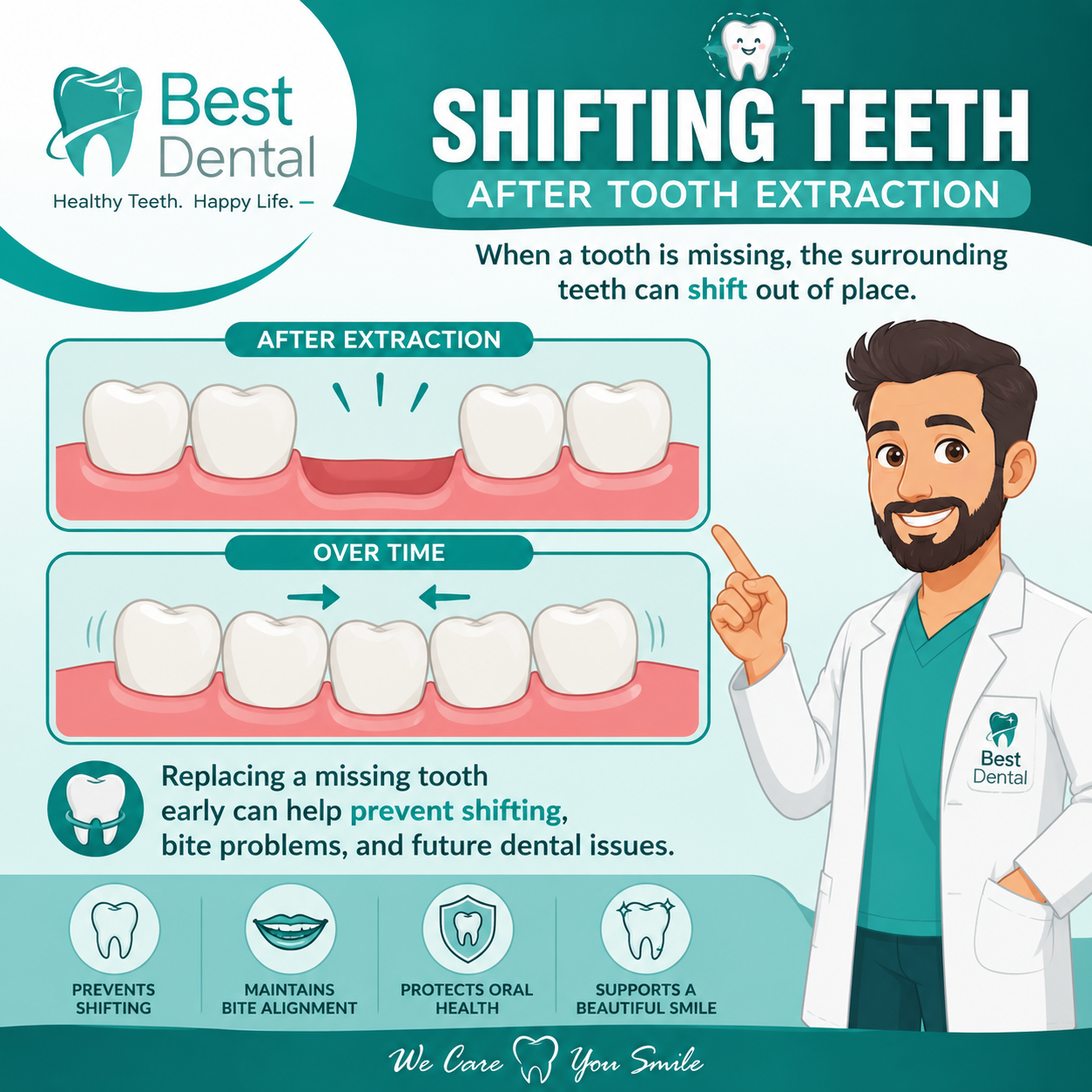
Every tooth in your mouth is held in equilibrium by forces pressing on it from multiple directions: the teeth beside it, the tooth above or below it, and the pressure of normal chewing. Remove one tooth from that system and the equilibrium disappears. The forces that held everything in balance now push against nothing on one side, and the surrounding teeth respond by moving toward the empty space.
This is not a slow or theoretical process. Tooth movement can begin within weeks of an extraction, and clinically significant shifting is often visible on X-rays within 6 to 12 months. The speed depends on factors like which tooth was removed (molars create more force imbalance), the patient's age, and whether bone loss accelerates the process.
The underlying biology is bone resorption. When a tooth root is removed, the jawbone at that site no longer receives the stimulation it needs to maintain its density. The bone begins to shrink in height and width, a process that starts within days of extraction and continues for months. As the bone shrinks, the gum line drops, and the structural support for neighboring teeth changes, making them even more susceptible to movement.
The Four Types of Movement That Happen After Extraction
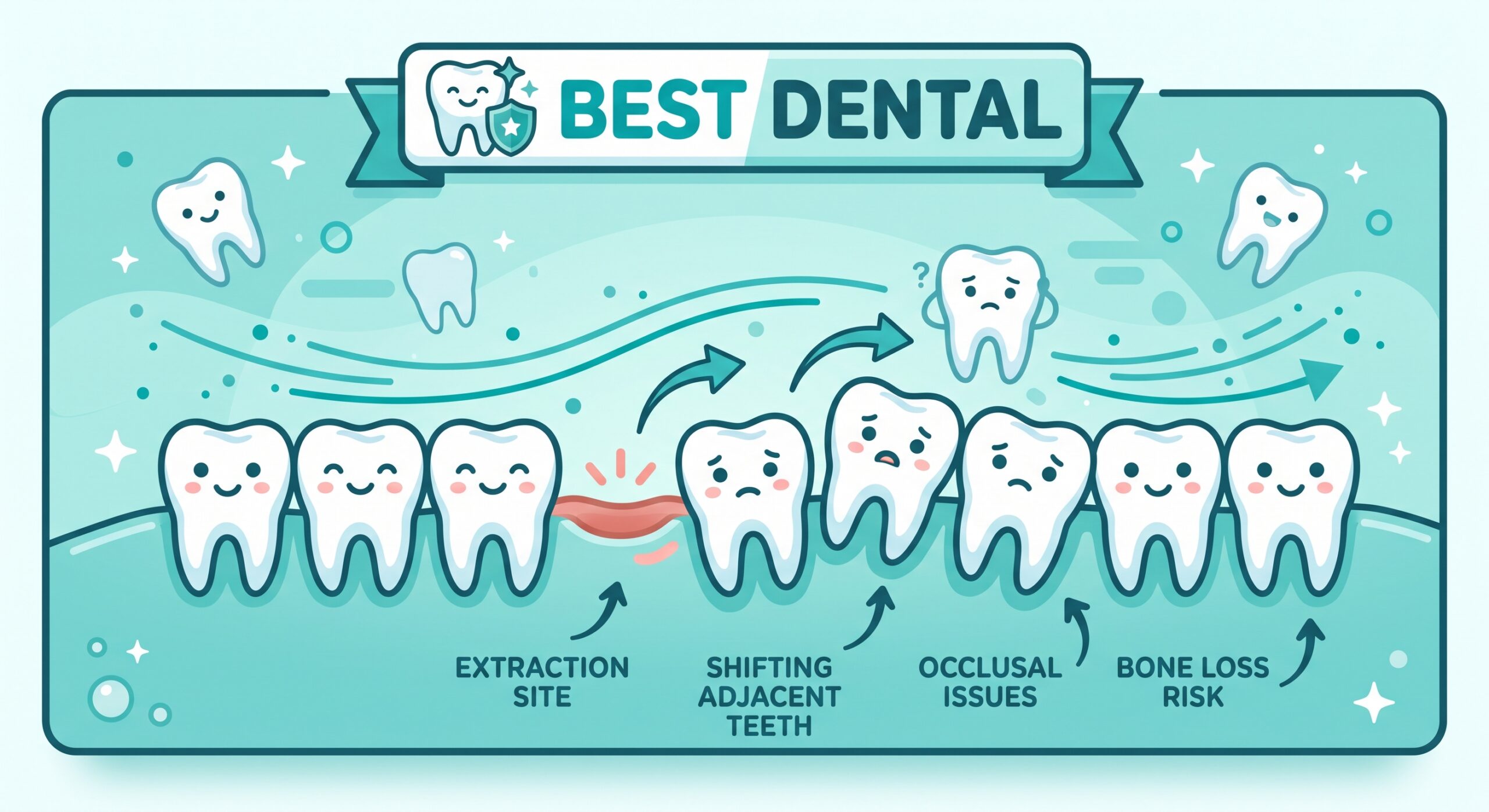
Tooth movement after extraction is not random. There are four predictable types of movement that occur, each creating its own set of complications.
Supraeruption
The opposing tooth (the one that used to bite against the missing tooth) loses its stop and slowly grows out of its socket into the empty space. Over time it loses bone support and becomes harder to restore.
Mesial Tipping
The tooth directly behind the gap tilts forward (toward the front of the mouth) into the space. This creates a pocket between the tilted tooth and the gum that is nearly impossible to clean.
Distal Tipping
The tooth in front of the gap may drift backward. Combined with the mesial tipping behind the gap, this creates an uneven bite where multiple teeth no longer contact correctly.
Bone Resorption
The jawbone at the extraction site shrinks in height and width without a root to stimulate it. This is irreversible without bone grafting and directly limits future implant options.
These four movements compound each other. A supraerupted opposing tooth changes the bite plane. Tipped adjacent teeth change the spacing. Bone loss reduces the structural foundation for everything around the gap. What starts as one missing tooth can eventually require orthodontic treatment, multiple crowns, bone grafting, and more complex restorative work before a straightforward implant becomes possible again.
This is why the timing of replacement matters so much. A tooth replaced shortly after extraction with a dental implant or bridge largely prevents all four movements. A tooth left unreplaced for two or more years may require substantially more work before a simple replacement is possible.
Timeline of Tooth Movement After Extraction
The process is gradual but consistent. Here is what happens and when for most Richmond patients.
Bone Resorption Begins
The jawbone at the extraction site immediately begins losing density without root stimulation. Socket preservation at the time of extraction significantly slows this process.
First Measurable Movement
Adjacent teeth begin showing early tipping on X-rays. The opposing tooth starts drifting toward the gap. Changes are small but already underway.
Visible Shifting and Bite Changes
Shifting becomes visible and the bite begins to feel different. Patients often notice food getting stuck in new places, or uneven contact when biting down.
Significant Bone Loss, Complex Correction Needed
Bone loss is now substantial. Adjacent and opposing teeth have moved enough that space for a straight implant crown may be compromised. Orthodontic or grafting work may be needed before replacement is possible.
What Happens When a Missing Tooth Goes Unreplaced
The downstream effects of a missing tooth extend well beyond the gap itself. Here is the full picture.
Jawbone Loss
Without a tooth root, the jawbone at the extraction site resorbs continuously. Over years this shrinks the jaw height and width, aging the facial profile and complicating future implant placement.
Bite Collapse
Shifting teeth change how the upper and lower jaws come together. An altered bite creates uneven chewing forces that accelerate enamel wear on teeth that are taking more than their share of load.
TMJ Strain
An uneven bite stresses the temporomandibular joint, sometimes causing jaw pain, clicking, headaches, or limited mouth opening. TMJ problems are among the harder consequences to reverse.
Increased Decay Risk
Tilted teeth create pockets and ledges that collect bacteria and are difficult to clean. Patients with long-standing gaps frequently develop decay on the adjacent teeth at the tipped margins.
Gum Disease
The same pockets that trap bacteria also drive gum disease. Periodontal infection around tipped teeth can spread to adjacent structures, threatening teeth that were otherwise healthy.
Facial Appearance
Significant bone loss over years produces a sunken appearance around the missing tooth. For front teeth, this affects the smile directly. For back teeth, it affects the lower face volume over time.
How long ago was your extraction?
Whether it was 3 months or 3 years ago, Best Dental evaluates your current bone volume and tooth positions and tells you exactly what is needed for replacement, with a written cost estimate before you commit.
Call (281) 215-3065Dental Implant in Richmond, TX
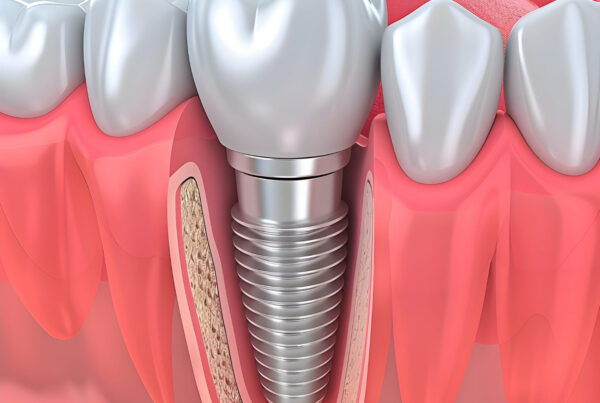
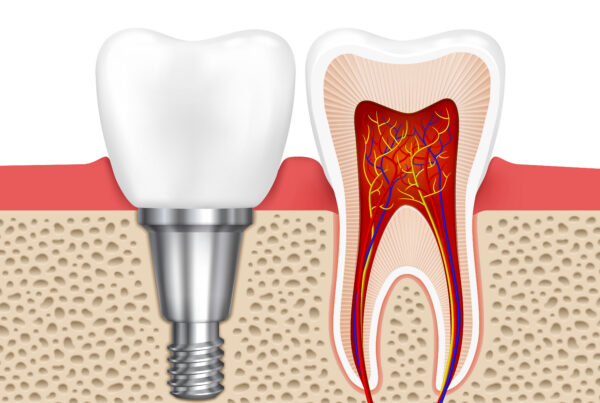
A dental implant is the only tooth replacement option that also replaces the root of the missing tooth. A titanium post is surgically placed into the jawbone, where it fuses with the bone over 3 to 6 months through a process called osseointegration. An abutment connector is then attached, and a custom porcelain crown is placed on top, producing a permanent replacement tooth that looks, feels, and functions identically to a natural tooth.
Because the implant post is seated in the jawbone and provides the same stimulation a natural root does, bone resorption at the extraction site stops. The jawbone maintains its height and width. Adjacent teeth have no gap to drift into. The opposing tooth has a surface to bite against. All four types of post-extraction movement are prevented by the implant, not just the visible gap.
At Best Dental in Richmond, Dr. Sonny Naderi has placed over 1,000 dental implants with a 95% or higher long-term success rate. The complete single-tooth implant is $1,995 all-inclusive, covering the implant post, abutment, and custom crown with no separate component billing. The entire process from consultation through crown delivery is handled in-house with no referrals to outside oral surgeons.
Why implants are the preferred option for preventing tooth shift
- Replaces the root, not just the crown. The implant post in the jawbone is what prevents bone resorption and eliminates the gap that causes adjacent tooth drift.
- No impact on adjacent teeth. Unlike a bridge, an implant requires no modification of the neighboring teeth. Healthy enamel stays intact.
- Permanent. With proper oral hygiene and regular dental visits, the implant post is designed to last a lifetime.
- Preserves facial structure. By maintaining bone volume, an implant keeps the jawline and facial profile from the volume loss that follows prolonged tooth absence.
- $1,995 all-inclusive at Best Dental. Post, abutment, and crown. See the complete implant overview for full details.
Dental Bridge in Richmond, TX
A dental bridge is a fixed restoration that spans a gap by anchoring to the two teeth on either side (the abutment teeth), with a false tooth (called a pontic) suspended between them to fill the space. The bridge is cemented permanently and cannot be removed by the patient. It restores the visible tooth, prevents the opposing tooth from supraerupting, and stops adjacent teeth from drifting into the space.
A bridge does not replace the root. The jawbone beneath the pontic continues to resorb over time because there is no implant stimulating it. This is an important clinical distinction: a bridge addresses most of the tooth movement consequences but does not prevent bone loss. For patients where bone preservation is a priority, or who want to avoid altering adjacent teeth, an implant is the stronger long-term choice.
However, a dental bridge is an excellent option for patients who need a faster solution (bridges are complete in about two appointments over two to three weeks, versus three to six months for an implant), patients who are not candidates for implant surgery, or patients where the adjacent teeth already need crowns for other reasons.
At Best Dental in Richmond, a standard 3-unit dental bridge is $2,850. This covers both anchor crowns and the pontic in between.
Implant vs. Bridge: Which Is Right for You?
Both options stop tooth shifting and restore the visible gap. The differences come down to bone preservation, adjacent tooth impact, timeline, and long-term cost.
Dental Implant
Dental Bridge
Both options are available at Best Dental in Richmond at published flat-rate pricing. The right choice depends on your bone volume, the condition of adjacent teeth, and your timeline. Dr. Naderi explains both options at consultation before any treatment is scheduled.

Cost of Tooth Replacement Near Richmond, TX
| Procedure | Best Dental Fee | Notes |
|---|---|---|
| Dental Implant (complete) | $1,995 | All-inclusive: titanium post, abutment, and custom crown. No separate component billing. |
| Bone Graft (if needed) | $500 | Quoted separately if 3D imaging shows insufficient bone. Performed in-house. |
| Dental Bridge (3-unit) | $2,850 | Two anchor crowns plus the pontic. Completed in two appointments over 2 to 3 weeks. |
| Tooth Extraction (if needed) | $250 | Flat-rate for all extraction types. Socket preservation available if implant is planned. |
| Limited Exam + X-rays | $89 | Focused evaluation of the gap and surrounding teeth. Separate from and not applied toward treatment. |
PPO insurance for tooth replacement near Richmond, TX
- In-network for all 8 major PPO carriers: Delta Dental, Aetna, Cigna, BCBS Texas, Guardian, MetLife, UnitedHealthcare, and Ameritas PPO. HMO, DMO, and DHMO plans are not accepted.
- Implant coverage: Most PPO plans provide $500 to $1,500 partial coverage per implant. At $1,995 with $1,000 coverage, the estimated patient balance is approximately $995.
- Bridge coverage: Most PPO plans cover bridges at approximately 50 percent as major restorative. At $2,850 with 50 percent coverage, the estimated patient balance is approximately $1,425.
- Benefits verified before treatment. Best Dental confirms your specific PPO coverage for each procedure before scheduling anything, so you know your exact patient balance in advance.
- CareCredit and Cherry financing available for the remaining patient balance. Payment terms based on credit approval.
Tooth Replacement Near Richmond, TX
Best Dental at 22377 Bellaire Blvd, Suite 400, Richmond TX 77407 provides both dental implants and dental bridges for Richmond patients at published flat-rate pricing. Dr. Sonny Naderi performs implant placement in-house with 1,000+ cases and a 95%+ success rate. Dr. Jasmine Naderi handles restorative and crown work for both implants and bridges. The complete case, from consultation through final restoration, is handled at one practice under one treatment plan.
Richmond patients searching for tooth replacement options also frequently use Best Dental for tooth extractions, root canals on failing teeth, dental crowns, dental bridges, and wisdom teeth removal. See the full Richmond services hub for the complete list of treatments available at published pricing.
Related resources for Richmond patients
- Dental implants overview: complete guide to all implant types at Best Dental including $1,995 single-tooth, multiple teeth, and All-on-4.
- Dental bridge near Richmond: 3-unit bridge at $2,850, what the procedure involves, and how insurance applies.
- Tooth extraction near Richmond: $250 flat-rate for all extraction types, including socket preservation information.
- Are dental implants worth it?: honest cost-benefit analysis comparing implants, bridges, and dentures over 30 years.
- Dental crowns near Richmond: $950 flat-rate for all crown types. Crowns are needed on bridge anchor teeth and after root canals.
- Save money on dental care in Richmond: full guide to PPO insurance, discount plans, and financing at Best Dental.
Tooth Shifting After Extraction: FAQs
Shifting Teeth After Extraction: Key Takeaways
Replace the Missing Tooth Before More Changes
Every month a gap goes unfilled, the surrounding teeth move a little more and the bone shrinks a little further. Best Dental in Richmond, TX offers dental implants at $1,995 all-inclusive and dental bridges at $2,850. In-network for all 8 major PPO carriers. Benefits verified before treatment. Written cost estimate before you commit.