How to Choose the
Right Toothbrush
The right toothbrush makes a real difference in your oral health. Here's exactly what to look for — bristles, head size, handle, manual vs. electric, and when to replace it.
How do you choose the right toothbrush?
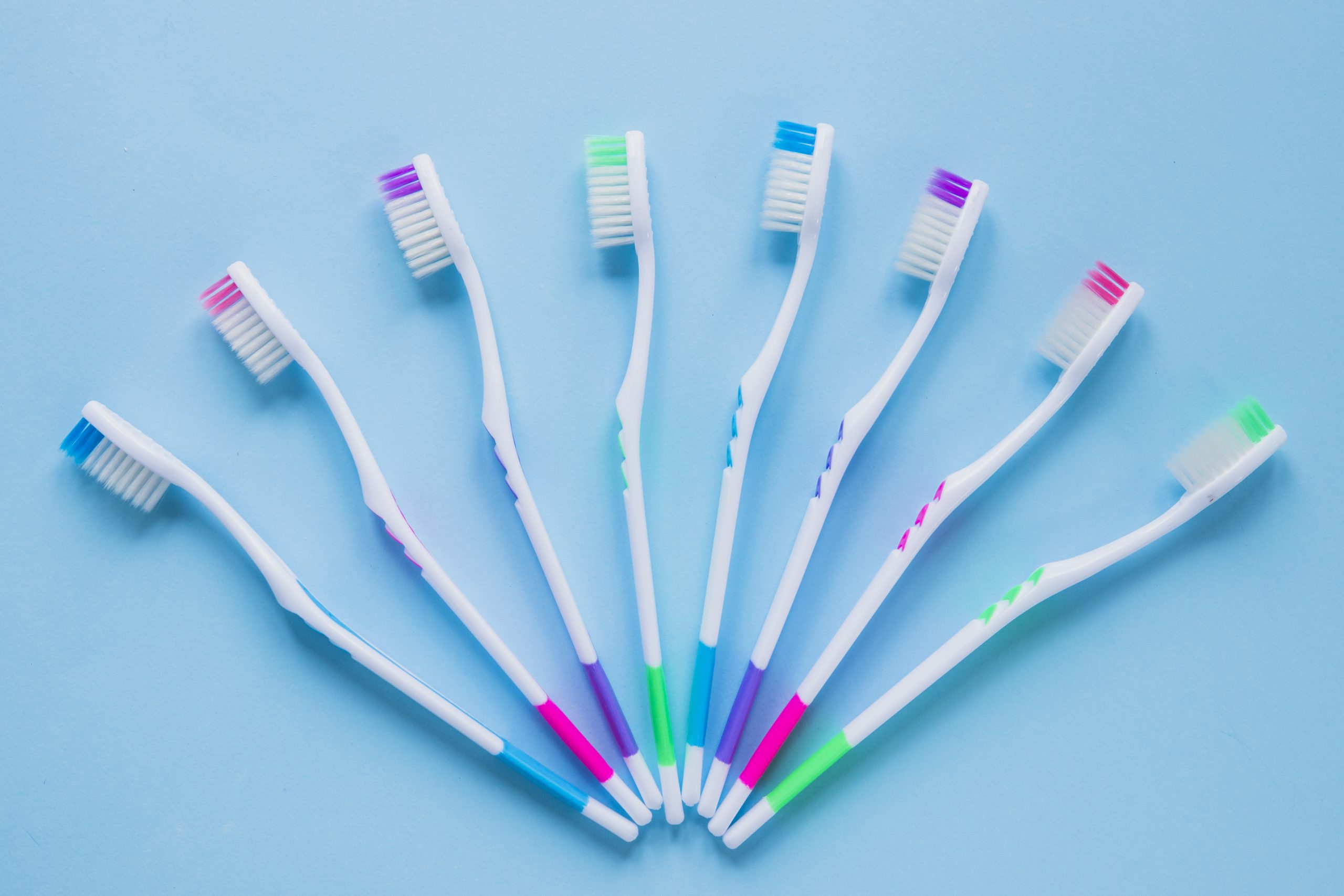
Always start with soft bristles — the ADA recommends them for all patients; medium and hard bristles damage gums and enamel over time. Choose a head size small enough to comfortably reach your back molars (roughly ½ inch wide for most adults). Pick manual or electric based on your needs — both work equally well with proper technique, but electric is better for limited dexterity, braces, or aggressive brushers. Look for the ADA Seal of Acceptance. Replace every 3 months. For a personalized recommendation based on your specific teeth and gums, ask Dr. Naderi at your next professional cleaning at Best Dental →
The right toothbrush is the foundation of good oral hygiene — but with dozens of options on store shelves, most people just grab whatever looks familiar. This guide covers every factor that actually matters when choosing the right toothbrush, so you can make an informed decision for your specific teeth, gums, and lifestyle.
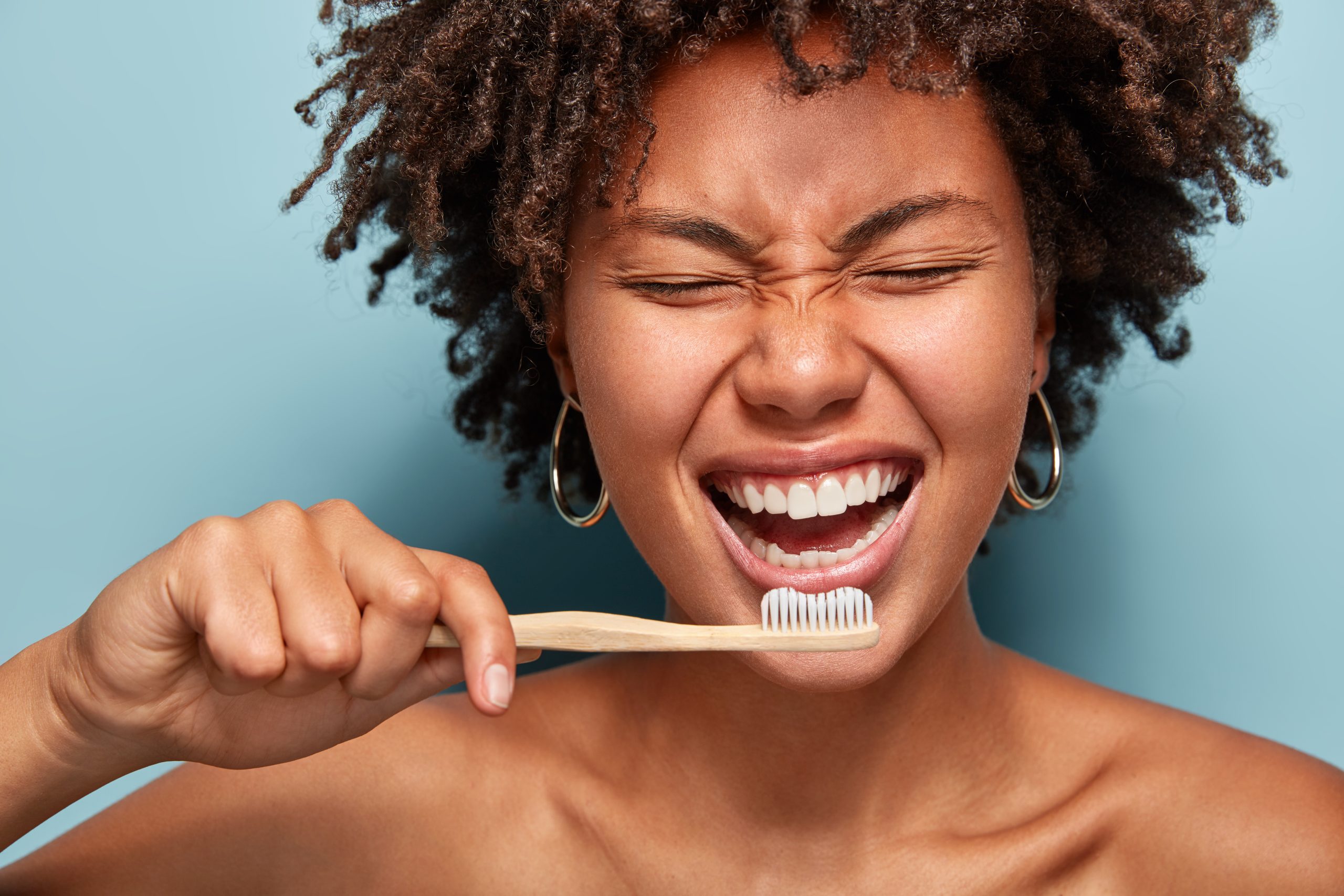
The 6 Factors for Choosing the Right Toothbrush
Bristle Firmness — Always Choose Soft
This is the single most important choice when selecting a toothbrush. The American Dental Association recommends soft bristles for all patients — children, adults, and seniors alike. Soft bristles effectively remove plaque and food debris while being gentle enough not to damage the gum tissue or tooth enamel.
Medium and hard bristles might feel like they're cleaning more aggressively, but that sensation is actually damage in progress. Repeated use of medium or hard bristles causes cumulative gum recession and enamel erosion — both of which are permanent and irreversible. Once gum tissue recedes, it doesn't grow back without treatment.
If soft bristles feel like they're not cleaning well enough, the fix is improving your brushing technique — not switching to a firmer bristle. Proper brushing with soft bristles at a 45-degree angle to the gumline, using gentle circular motions, cleans just as effectively as aggressive scrubbing with a hard brush — and without the damage.
Head Size — Smaller Is Usually Better
The toothbrush head needs to fit comfortably inside your mouth and reach every surface — including the back surfaces of your rear molars, which are the teeth most commonly missed during brushing and most commonly affected by decay.
For most adults, a head that's roughly ½ inch wide and 1 inch tall is ideal. A smaller head gives you better maneuverability in tight spaces and makes it significantly easier to reach the back corners of the mouth. A head that's too large will struggle to access those back areas, leaving plaque untouched where it causes the most damage.
Children need toothbrushes specifically sized for their mouths — adult toothbrushes are far too large and can discourage proper brushing. Most toothbrush packaging specifies an age range; follow it. Electric toothbrush heads are generally smaller than manual heads, which is one of the reasons they tend to clean hard-to-reach areas more effectively.
Handle Design — Grip and Control
The handle is the part of the toothbrush most people ignore — but a handle that's difficult to grip or awkward to maneuver leads to inconsistent brushing and missed spots. The handle should feel secure in your hand and give you enough control to angle the bristles precisely at the gumline.
For most people, a straight or slightly angled handle with a non-slip grip section works well. Patients with arthritis, limited hand mobility, or fine motor challenges often find a thicker handle much easier to control. Flexible-neck handles can help reach the back teeth at comfortable angles.
Children and patients with mobility challenges may benefit significantly from electric toothbrushes, which do much of the mechanical work and require only gentle guiding rather than active scrubbing motion.
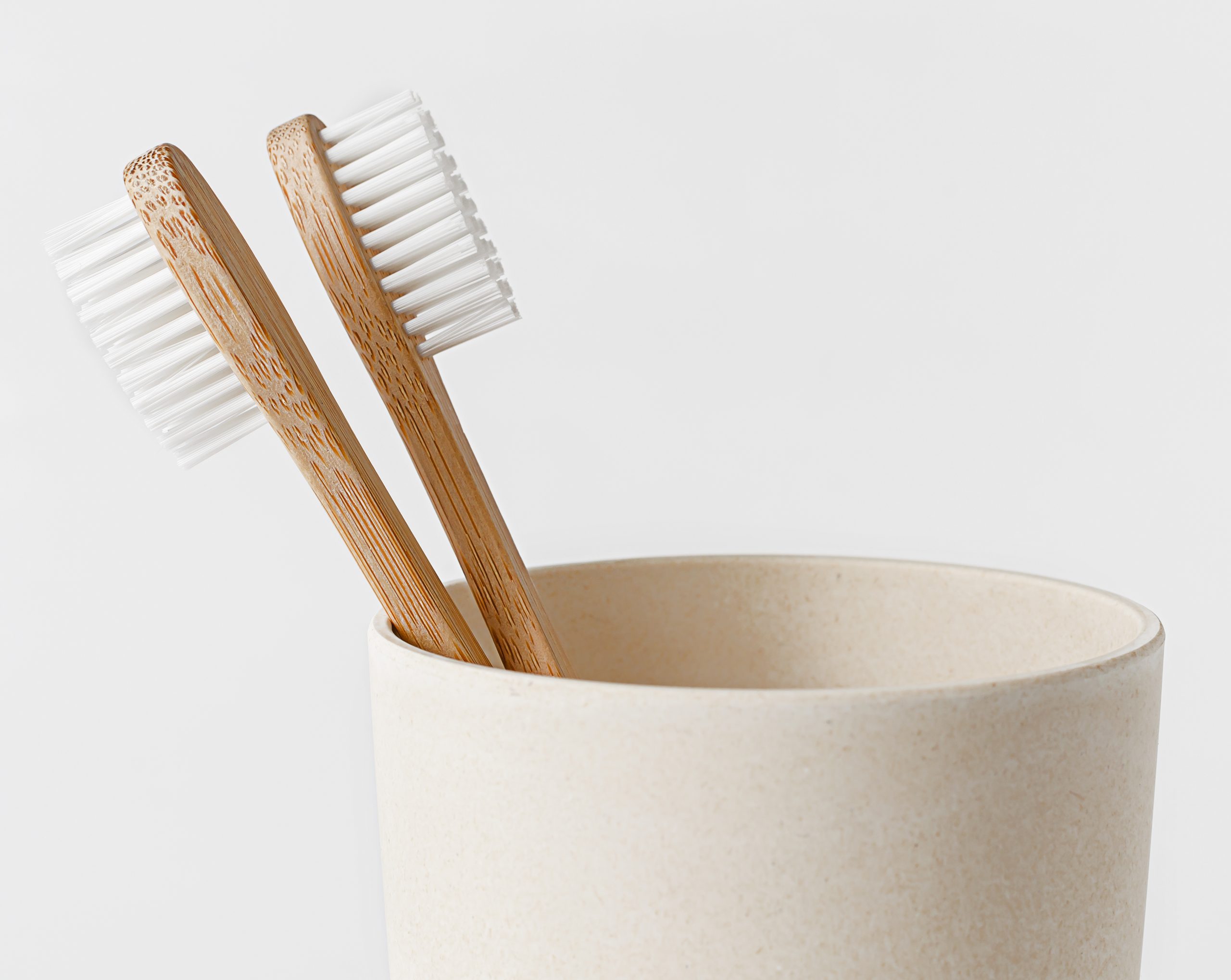
Manual vs. Electric — Which Is Right for You?
Both manual and electric toothbrushes can be equally effective — the key variable is technique and consistency. That said, electric toothbrushes offer some meaningful advantages for specific patients.
| Factor | Manual | Electric |
|---|---|---|
| Plaque removal | Effective with technique | Slightly more effective on average |
| Best for aggressive brushers | ❌ Easy to over-brush | ✓ Pressure sensors prevent damage |
| Best for limited mobility / arthritis | ❌ Requires active motion | ✓ Does the work for you |
| Built-in 2-minute timer | ❌ No | ✓ Most models include one |
| Cost | $2–$10 | $30–$200+ (+ replacement heads) |
| Travel-friendly | ✓ Easy to pack | Bulkier, needs charging |
| Best for braces | Harder to clean around wires | ✓ Easier to clean brackets |
| Kids | Fine with supervision | ✓ Often encourages longer brushing |
The bottom line: if you brush correctly for a full two minutes twice a day, a quality manual toothbrush with soft bristles is entirely sufficient. If you tend to rush, press too hard, or have any mobility challenges, an electric toothbrush is a worthwhile investment in your oral health.
Special Considerations — Sensitive Teeth, Braces & More
Standard toothbrush guidance covers most patients, but certain conditions call for specific adjustments.
- Sensitive teeth or gums: Use an extra-soft bristled toothbrush with very light pressure. An electric brush with a pressure sensor is ideal — it alerts you when you're pressing too hard, which is the primary driver of sensitivity-related damage.
- Braces or orthodontic appliances: Standard brushes struggle to clean around brackets and wires. Look for toothbrushes with V-shaped bristle patterns designed to reach around hardware, or use an electric brush. Interdental brushes as a supplement are highly recommended.
- Gum disease or gum recession: Extra-soft or ultra-soft bristles only. Your dentist may recommend a specific brush; follow that recommendation. Aggressive brushing with even soft bristles can worsen existing recession.
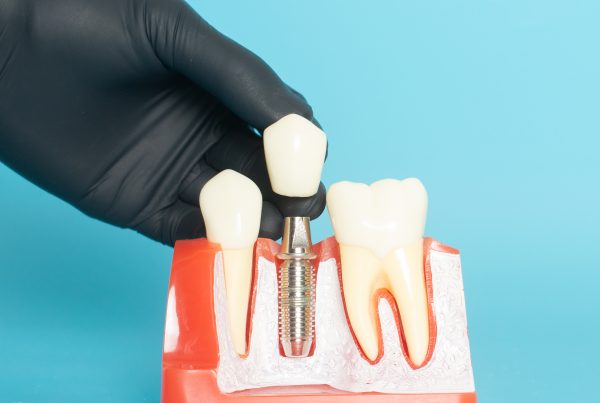
- Dental implants: Soft bristles are essential around implant sites. Some implant patients benefit from electric toothbrushes that clean the gumline more thoroughly without requiring pressure.
- Children under 3: Use a soft finger brush or an infant toothbrush with a very small head. A rice-grain sized amount of fluoride toothpaste is appropriate from the first tooth.
- Seniors or patients with arthritis: A thick-handled electric toothbrush is the easiest option. Some models have extra-large grip handles specifically for limited dexterity.
When to Replace Your Toothbrush
A worn toothbrush is significantly less effective — frayed or splayed bristles can clean up to 30% less effectively than a fresh brush. Most people hold onto their toothbrush far longer than they should.
The standard guideline: replace your toothbrush or electric brush head every 3 months, or sooner if the bristles visibly splay outward before then. If your bristles are fraying noticeably within 4–6 weeks, that's a sign you're applying too much pressure — consider switching to an electric brush with a pressure sensor.
- Every 3 months: Standard replacement interval for all toothbrushes and electric heads.
- After illness: Replace immediately after recovering from a cold, flu, strep, or any respiratory infection. Bacteria and viruses linger on bristles and can cause reinfection.
- When bristles splay early: A sign you're brushing too hard — address technique AND replace the brush.
- After dental procedures: Some dentists recommend replacing after oral surgery or treatment for gum disease to avoid reintroducing bacteria.
Get a Personalized Toothbrush Recommendation at Best Dental
At your professional cleaning, Dr. Naderi and our hygiene team assess your gum tissue, enamel wear, and brushing habits — and give you a specific recommendation tailored to your mouth, not generic advice.