

Dental Bridge Cost
in Richmond, TX
A dental bridge in Richmond typically costs $2,850–$6,000 for a standard 3-unit case. Best Dental charges $950/crown flat — all materials, no upcharges — with same-week appointments and transparent pricing before you commit to anything.
Dental Bridge Cost in Richmond, TX in 2026
If you're missing a tooth and looking for bridge options in Richmond, TX, you've probably noticed that prices vary and most offices don't publish them upfront. This guide breaks down exactly what a dental bridge costs at Best Dental in Richmond — and what determines the price — so you can make a fully informed decision before your first appointment.
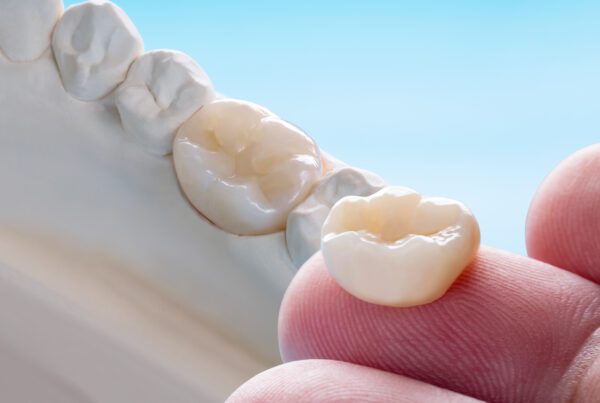
A dental bridge replaces a missing tooth by crowning the two natural teeth on either side of the gap (the abutment teeth) and suspending a false tooth — called a pontic — between them. Because a standard 3-unit bridge involves three crowns total, the price is typically quoted per crown. At Best Dental, that rate is $950 per crown for all materials — meaning a standard 3-unit bridge costs $2,850 total, regardless of whether you choose porcelain, zirconia, PFM, or gold.
"The most important question to ask any dental office when comparing bridge quotes: is the price per unit the same regardless of material? Many offices charge significantly more for zirconia — at Best Dental, all materials are $950/crown."
Richmond dental bridge pricing is generally lower than Houston metro or Katy corridor practices because of lower practice overhead — and at Best Dental, transparent flat-fee pricing means no material-based upcharges, no surprise add-ons, and a written cost estimate before any treatment begins. See our full pricing page →
Richmond Bridge Pricing at a Glance
What each bridge configuration costs at Best Dental vs. the broader Richmond–Houston area market rate.
Best Dental's $950 Flat Crown Price
One rate for every material — so you choose what's clinically best, not what's cheapest.
Our $950 flat fee applies to every crown material we place — and that applies equally to bridge crowns. Many practices charge $200–$500 more for zirconia over PFM, forcing patients to choose a material based on budget rather than clinical suitability. At Best Dental, that decision belongs entirely to you and your dentist.
Dr. Jasmine Naderi designs and places all crowns and bridges in-house — no referrals, no split billing between providers, no markup for lab coordination. Temporary crowns are provided during the 2–3 week fabrication period so you're never without a functional smile between appointments.
Every bridge case starts with a written cost estimate that covers the full scope of treatment — bridge fee, any extractions needed beforehand, and your expected insurance offset — so you know your exact out-of-pocket cost before committing to treatment. See our full pricing page →
Types of Dental Bridges — Which One Do You Need?
The right bridge depends on which teeth are missing, the condition of adjacent teeth, and your long-term goals.
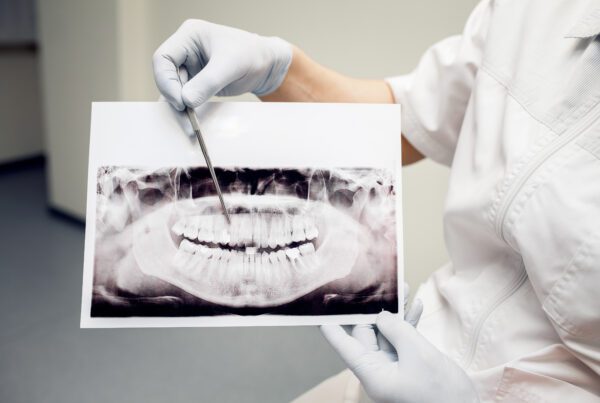
The right bridge type is determined by your anatomy, the condition of adjacent teeth, your bite, and your long-term goals. A consultation at Best Dental — which includes X-ray evaluation and a clinical exam — is the most reliable way to determine which option fits your situation and get an accurate total cost estimate before committing.
Affordable Dental Bridge Near You in Richmond, TX
When you search for "affordable dental bridge near me," you're looking for a fair price from a qualified dentist — not a discount that compromises materials or outcomes. Best Dental in Richmond is the most accessible affordable bridge option for Fort Bend County residents and patients driving in from Sugar Land, Rosenberg, Katy, and Southwest Houston.
Our Richmond location operates with significantly lower overhead than dental practices along the Houston metro's high-traffic corridors. That savings passes directly to patients: $950/crown vs. $1,000–$1,900 at area practices, with no upcharge for premium materials. The same zirconia crown from the same dental lab quality costs dramatically less here — not because we cut corners, but because our rent isn't Loop 610 pricing.
1. Choose Best Dental. At $950/crown vs. $1,300–$1,900/crown at many area practices, a 3-unit bridge saves $1,050–$2,850 at Best Dental — for the same materials and clinical outcome. That's the single most impactful cost decision you can make.
2. Use your dental insurance. Most PPO plans cover bridges at 50% after your deductible. At $2,850 for a 3-unit bridge, 50% coverage means you pay approximately $1,425 out of pocket. Best Dental verifies your specific benefits before treatment begins.
3. Use an FSA or HSA. Dental bridges are fully IRS-eligible for pre-tax FSA and HSA payments — reducing your real cost by your marginal tax rate, typically 22–32% for Fort Bend County households.
4. Finance at 0% interest. CareCredit breaks your bridge cost into interest-free monthly payments. A $1,425 post-insurance balance over 24 months is approximately $60/month — less than most utility bills.
5. Use the Dental Discount Plan. Uninsured patients can enroll in Best Dental's $199/year Dental Discount Plan for reduced rates on all services — no waiting periods, no annual maximums, savings start immediately.
What You Actually Pay at Best Dental
A real example: a standard 3-unit bridge with PPO insurance and CareCredit financing.
Same procedure, same materials — $675 less out of pocket at Best Dental. Insurance benefits vary; we verify yours before treatment begins.
Dental Bridge vs. Implant — Which Is Right for You?
Both permanently replace a missing tooth — but they work differently, cost differently, and suit different patients.
| Factor | Dental Bridge | Dental Implant |
|---|---|---|
| Best Dental Price | $2,850 (3-unit) | $1,995 (complete) |
| Surgery Required | No | Yes — minor outpatient |
| Treatment Timeline | 2–3 weeks, 2 appts | 3–6 months total |
| Lifespan | 10–15 years | 20 years–lifetime |
| 30-Year Total Cost | ~$7,000–$15,000 | ~$2,000–$4,000 |
| Prevents Bone Loss | ✗ No | ✓ Yes |
| Adjacent Teeth Affected | Yes — reshaping required | None |
| Insurance Coverage | Usually 50% covered | Partial — varies by plan |
| Best if... | Adjacent teeth already need crowns; fastest solution | Healthy adjacent teeth; best long-term outcome |
At Best Dental, a dental implant at $1,995 is actually cheaper upfront than many area practices charge for a bridge — and significantly cheaper over a 20-year period. If your adjacent teeth are healthy, an implant preserves them entirely and prevents bone loss that a bridge cannot address. If those teeth already need crowns, a bridge is often the smarter combined solution. A consultation helps clarify which path makes the most sense for your specific situation. Learn more about dental implants at Best Dental →
Insurance Coverage for Dental Bridges
Most PPO plans cover bridges as major restorative work — here's what that typically means in practice.
- Missing tooth clause: Some plans won't cover a bridge for a tooth that was missing before you enrolled
- Waiting period: Many plans require 6–12 months of active coverage before major restorative work is covered
- Annual maximum: Most plans cap at $1,000–$2,500/year — phasing across plan years can maximize this
- Frequency limitation: Most plans only cover a replacement bridge every 5–7 years on the same tooth
- Alternative benefit clause: Some plans only pay for the least expensive option — our team flags this before treatment begins
Is a Dental Bridge Worth the Cost?
For most patients with a missing tooth, the answer is yes — and the cost of doing nothing is almost always higher than it appears upfront.
When a tooth is extracted and not replaced, bone loss at the site begins within months. Neighboring teeth start drifting into the gap over time, leading to bite misalignment, increased cavity risk on exposed surfaces, and potentially the need for orthodontic correction. The opposing tooth in your bite may also over-erupt into the empty space. A $2,850 bridge placed promptly prevents all of that — and is consistently less expensive than treating the downstream consequences of leaving the gap.
A bridge is particularly good value when the adjacent teeth already have large fillings or existing crowns — because those teeth need to be restored anyway, and a bridge accomplishes both replacements in a single coordinated treatment. It's also the right choice when treatment speed matters: a bridge takes 2–3 weeks across two appointments, vs. 3–6 months for an implant.
A well-made bridge maintained with good oral hygiene typically lasts 10–15 years. The critical maintenance step most patients miss: cleaning under the pontic with a floss threader, super floss, or water flosser. Your hygienist at Best Dental will demonstrate proper technique at your first cleaning after placement. With consistent care, many bridges exceed 15 years before replacement is needed.
Dental Bridges for Richmond & Surrounding Areas
Best Dental at 22377 Bellaire Blvd, Richmond, TX is the most accessible affordable bridge option for all of Fort Bend County — free parking, same-week availability.
Frequently Asked Questions
Dental Bridge — Book Today
$950/crown flat. 3-unit bridge from $2,850. Written estimate before you commit. Same-week appointments available. Serving Richmond, Rosenberg, Sugar Land, Katy, and all of Fort Bend County.