Deep Teeth Cleaning Cost in Richmond, TX
Transparent pricing on scaling and root planing — what it costs, what insurance covers, and what to expect at Best Dental.
Deep Cleaning Pricing at Best Dental
We believe in transparent, upfront pricing. Here's exactly what scaling and root planing costs at our Richmond, TX office.
Cash price without insurance. Most PPO plans cover 50–80% — see the insurance section below for details.
What Is a Deep Teeth Cleaning?
A deep cleaning — clinically called scaling and root planing — is a non-surgical treatment for gum disease that goes well beyond a routine prophylaxis.
"Scaling and root planing is the cornerstone of non-surgical periodontal therapy. When performed adequately and combined with appropriate patient home care, it can arrest disease progression in most cases of moderate periodontitis and avoid the need for surgical intervention."— American Academy of Periodontology — Gum Disease Treatment
Local Anesthesia
The treated quadrant is numbed with local anesthetic so you feel pressure but not pain. Deep cleaning without anesthesia would be uncomfortable — at Best Dental, it's always performed with proper numbing for patient comfort.
Scaling — Removing Tartar Below the Gumline
Using ultrasonic instruments and hand scalers, your hygienist removes hardened tartar (calculus) from your tooth surfaces and root surfaces deep within periodontal pockets. This is the buildup that routine cleanings cannot reach — it has bonded to the root surface and cannot be removed by brushing or flossing at home.
Root Planing — Smoothing Root Surfaces
After scaling, the root surfaces are carefully smoothed (planed) to remove bacterial toxins embedded in the root surface and create a clean, smooth surface that gum tissue can reattach to. Rough, contaminated root surfaces prevent healthy gum reattachment — planing is what makes that reattachment possible.
Antibiotic Treatment (If Indicated)
In some cases, antimicrobial agents or localized antibiotic therapy may be placed directly into periodontal pockets after scaling and root planing to help eliminate residual bacteria and support healing. Dr. Naderi or your hygienist will discuss whether this is recommended for your case.
Periodontal Re-Evaluation (4–6 Weeks Later)
After your gum tissue has had time to heal and reattach, we perform a re-evaluation appointment to measure pocket depths and assess your response to treatment. This tells us whether your periodontitis has been arrested or whether additional treatment is needed. Many patients achieve significant pocket depth reduction and stable gum health following this protocol.
Regular Cleaning vs. Deep Cleaning
These are two very different procedures for two very different situations — understanding the distinction helps you know what you're being recommended and why.
Regular Cleaning — Prophylaxis
- Removes plaque and tartar from tooth surfaces above and just at the gumline
- Performed on patients with healthy gums or mild gingivitis only
- Typically done every 6 months as preventive maintenance
- Does not require local anesthesia in most cases
- Completed in a single appointment of 45–60 minutes
- Pocket depths of 1–3mm — no active disease
- Covered at 100% by most insurance plans (2x per year)
Deep Cleaning — Scaling & Root Planing
- Removes tartar from root surfaces deep within periodontal pockets
- A treatment for periodontitis — active gum disease with bone loss
- Typically done in 2 appointments (one side per visit) or all at once
- Always performed with local anesthesia for patient comfort
- Each quadrant appointment takes 45–60 minutes
- Pocket depths of 4mm or greater — active infection present
- Covered at 50–80% by most PPO insurance plans
Signs You May Need a Deep Cleaning
These are the most common indicators that gum disease has progressed past gingivitis and that scaling and root planing may be needed.
Bleeding Gums
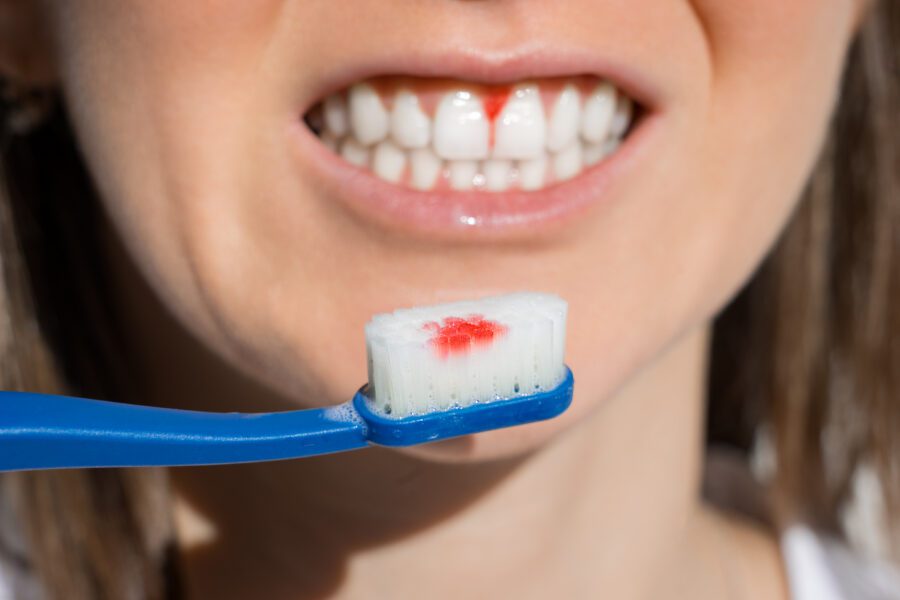
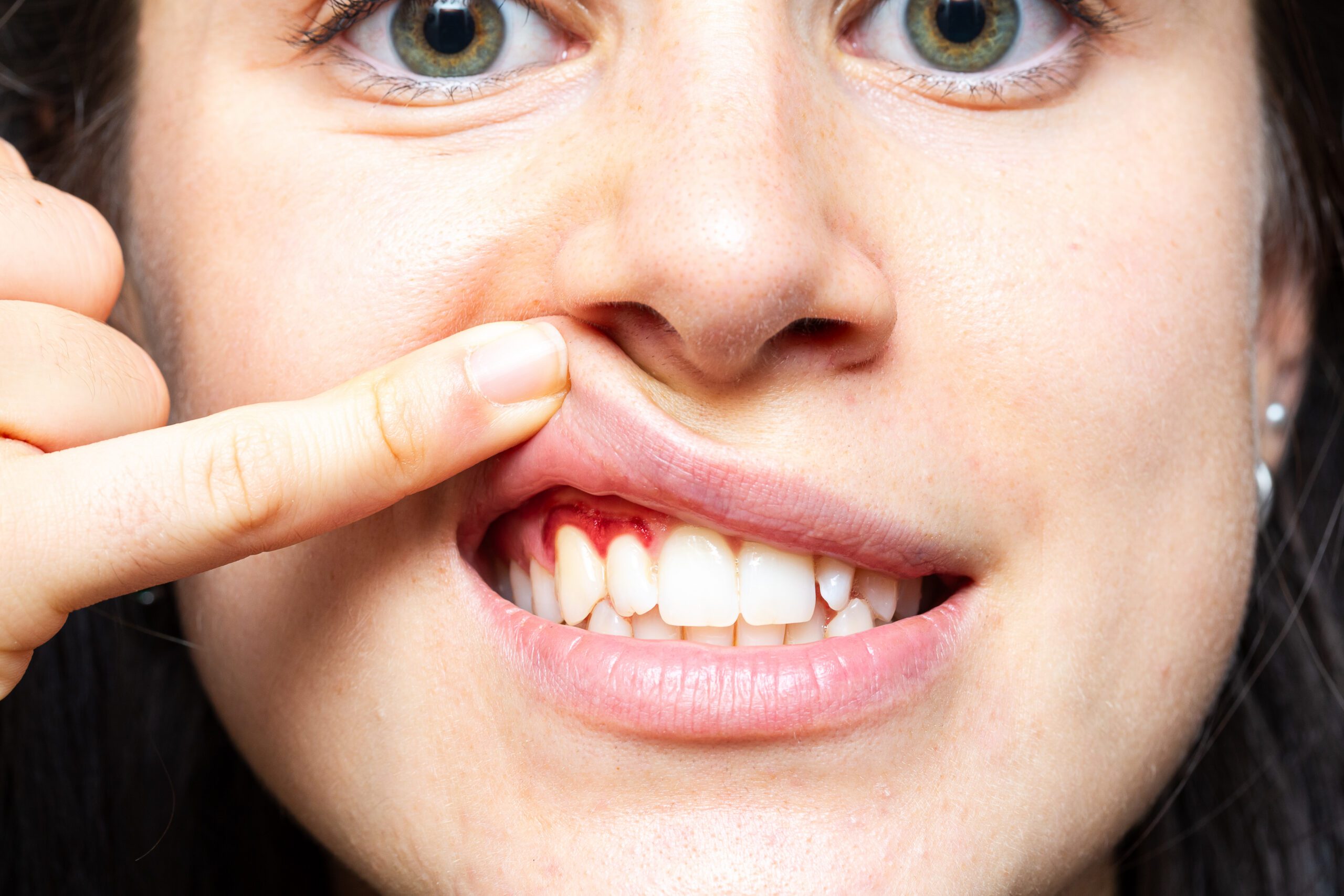
Gums that bleed when brushing, flossing, or eating are not normal. Persistent bleeding despite good home care is a hallmark sign of active gum inflammation driven by bacteria below the gumline.
Deep Pocket Depths
During your exam, your dentist or hygienist measures the space between your teeth and gums. Pockets of 4mm or greater indicate gum disease — the deeper the pocket, the more advanced the infection.
Persistent Bad Breath
Chronic bad breath that doesn't respond to brushing and mouthwash often signals bacteria living in deep periodontal pockets — a location your toothbrush and floss can't reach.
Gum Recession
Gums that appear to be pulling away from your teeth — making them look longer — is a sign of periodontal attachment loss. Recession exposes root surfaces and is a common consequence of untreated gum disease.
Bone Loss on X-Ray
Your dentist can see bone levels on dental X-rays. Horizontal or vertical bone loss between teeth is a definitive sign of periodontitis that requires treatment — not just monitoring.
Loose or Shifting Teeth
Teeth that feel loose or have shifted position in adulthood often indicate significant bone loss from advanced periodontitis. This is a late-stage sign that requires immediate periodontal care to preserve the teeth.
Insurance Coverage for Deep Cleaning
Most PPO dental insurance plans cover scaling and root planing — here's what to expect from the plans Best Dental accepts.
| Insurance Plan | Typical Coverage | Frequency Limit | Status |
|---|---|---|---|
Delta Dental |
50–80% after deductible |
Once per quadrant / 24 months |
Accepted |
Aetna |
50–80% after deductible |
Once per quadrant / 24 months |
Accepted |
Blue Cross Blue Shield |
50–80% after deductible |
Once per quadrant / 24 months |
Accepted |
Cigna |
50–80% after deductible |
Once per quadrant / 24 months |
Accepted |
MetLife |
50–80% after deductible |
Once per quadrant / 24 months |
Accepted |
Guardian |
50–80% after deductible |
Once per quadrant / 24 months |
Accepted |
UnitedHealthcare |
50–80% after deductible |
Once per quadrant / 24 months |
Accepted |
What to Expect Before, During & After
Here's how to prepare for your deep cleaning and what recovery looks like.
📋 Before Your Appointment
Take any prescribed pre-medications as directed. Eat a normal meal beforehand — local anesthesia is used but no fasting is required. Brush and floss as normal. Let us know about any medications you take, especially blood thinners. If you have significant dental anxiety, ask about oral sedation options — we offer them for periodontal appointments.
⏱️ How Long It Takes
Each quadrant takes approximately 45–60 minutes. Most patients have their mouth split into two appointments — one side per visit — though some prefer to complete all four quadrants in a single longer appointment. We'll recommend what works best for your case and schedule accordingly.
💊 After Treatment — Days 1–3
Expect mild to moderate soreness and tooth sensitivity for 2–5 days. Over-the-counter ibuprofen or acetaminophen manages this well for most patients. Eat soft foods and avoid very hot, cold, or hard foods. Gums may appear slightly swollen or feel tender — this is normal and resolves as healing progresses.
🪥 Home Care After Deep Cleaning
Continue brushing gently twice daily with a soft-bristled brush. Resume flossing after 24 hours — it's essential, even if gums are sensitive. Use any prescribed antimicrobial rinse as directed. Avoid smoking throughout healing — tobacco significantly impairs gum tissue recovery and is one of the primary risk factors for periodontal disease progression.
📅 Your Follow-Up Appointment
4–6 weeks after your deep cleaning, we perform a periodontal re-evaluation. We re-probe your pockets to measure the response to treatment. Most patients show meaningful pocket depth reduction at this appointment. Based on findings, we'll recommend either maintenance (periodontal cleanings every 3–4 months) or additional treatment if needed.
📈 Long-Term Maintenance
After successful deep cleaning, patients with a history of periodontitis transition to periodontal maintenance appointments every 3–4 months rather than standard 6-month cleanings. This more frequent schedule is essential — periodontal disease-causing bacteria repopulate pockets within 90 days, so more frequent professional cleanings are needed to keep the disease from returning.
Periodontal Care at Best Dental
Dr. Jasmine Naderi — General & Periodontal Dentist
Dr. Jasmine Naderi and the Best Dental team in Richmond, TX diagnose and treat gum disease using the latest evidence-based periodontal protocols. Every patient presenting with bleeding gums, elevated pocket depths, or bone loss on X-rays receives a thorough clinical evaluation before any treatment is recommended. Our goal is to arrest periodontal disease with the least invasive approach possible — and scaling and root planing, when indicated, is the most effective non-surgical tool available. Learn more about our full range of periodontal services or the scaling and root planing procedure in detail.
Learn More About Dr. Jasmine Naderi →Frequently Asked Questions
Common questions Richmond patients ask about deep teeth cleaning.
Key Takeaways — Deep Cleaning Cost in Richmond, TX
Related Resources
More from Best Dental on gum disease, periodontal care, and insurance.
Concerned About Gum Disease? We Can Help.
If you have bleeding gums, deep pockets, or haven't had a cleaning in a while, schedule an evaluation at Best Dental in Richmond, TX. We'll measure your pocket depths, review your X-rays, and give you an honest assessment — along with a clear cost breakdown before any treatment begins.