
Why Skipping Your $99 Cleaning Could Cost You $3,000 Later
A $99 cleaning every six months feels like an easy thing to push to next month. Then next month becomes next year. Then next year becomes the bill nobody wants. Here is the math nobody warns you about.
Table of Contents
Everything covered in this article on the cost of skipping cleanings.
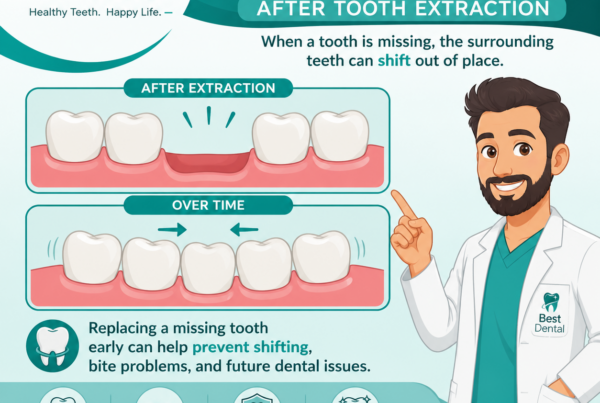
There is a thing that happens in our chair almost every week. A new patient walks in with severe pain. They have not been to a dentist in two, three, sometimes five years. They show me a tooth that hurts. The X-ray shows a story. The story is almost always the same. A cavity that was small two years ago has eaten through the enamel, reached the nerve, and now needs a root canal, a crown, or an extraction. The number on their treatment plan is somewhere between $1,500 and $5,000.
And almost every time, we have the same conversation. They ask how this got so bad so fast. The answer is that it did not get bad fast. It got bad slowly, over years, while no one was looking. A $99 cleaning two years ago would have caught it. A $99 cleaning a year ago would have still caught it. The cleaning that did not happen is the reason we are now talking about a $3,000 treatment plan.
This article is the math behind that. Not a guilt trip. Just the actual numbers, the actual cost ladder, and what each step costs at our office in real dollars. Read it once. Then decide whether the cleaning you have been putting off is worth booking.
01.What a $99 Cleaning Actually Does
A standard cleaning takes about 45 minutes. The hygienist does three things. First, scaling. That is the scraping you hear. Plaque turns into tartar within 24 to 72 hours, and tartar cannot be brushed off. It can only be scraped off with a metal scaler or an ultrasonic tool. Most patients have some tartar by the six-month mark, even with great brushing. That is normal. That is what cleanings exist for.
Second, polishing. A gritty paste smooths the tooth surface and removes surface stains from coffee, wine, and tea. This makes it harder for bacteria to stick to the tooth in the first place. Third, the exam. The dentist looks at every tooth, takes X-rays once a year, checks the gums for early signs of periodontal disease, and screens the soft tissue for oral cancer.
That last part is the part most patients underestimate. Cleanings are not really about the cleaning. They are about the exam that comes with the cleaning. Cavities at the enamel stage are invisible to you. They show up on an X-ray as faint shadows. We catch them, fill them, and the tooth never escalates.
"The cheapest dental work in the world is the work you never need because we caught the problem at the cleaning."
- Dr. Jasmine Naderi, DDS, Best Dental
02.The Cost Ladder. Step by Step.
When a small problem is not caught, it does not stay small. It progresses through predictable stages, and each stage is more expensive than the last. Here is what that ladder looks like in real numbers, using the published flat rates at our Richmond office.
The Cost of Waiting. By Stage.
Same tooth. Different timelines. Real flat-rate prices.
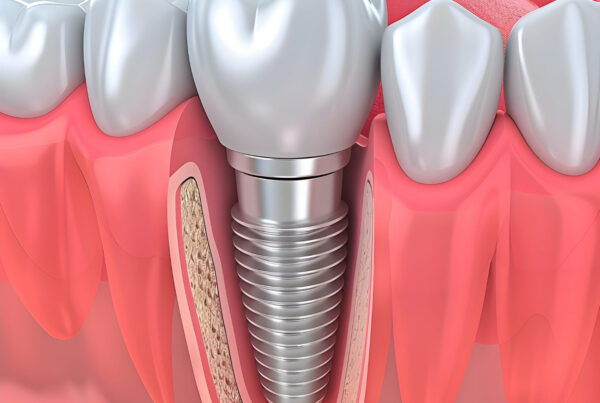
Total for the worst-case path. Root canal, crown, extraction, implant. $3,945. And that does not include the cost of any pain medication, the time off work for multiple appointments, or the months of waiting for the implant to integrate with the bone. The $99 cleaning at step one would have ended the entire chain at the start.
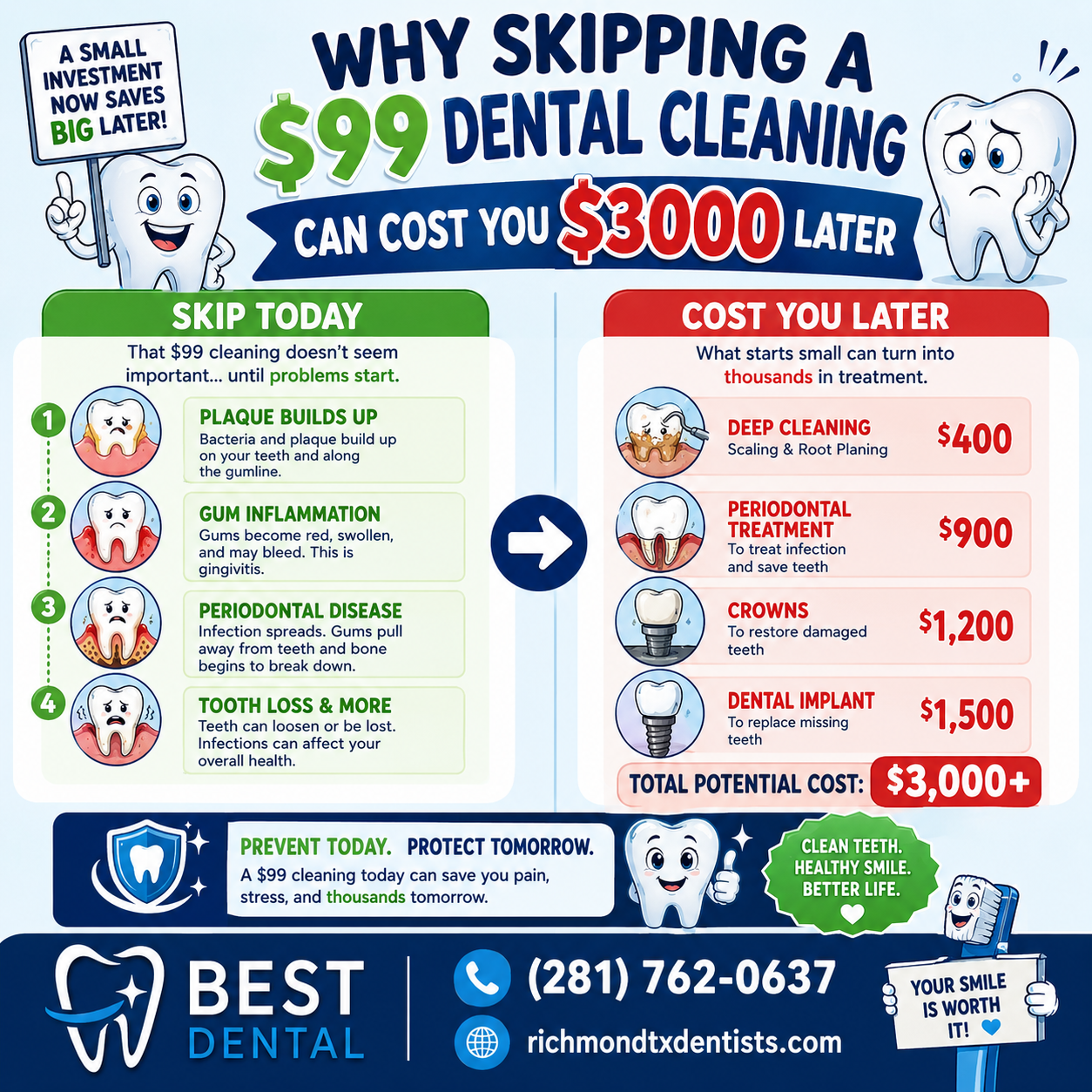
The cost ladder of skipping cleanings. $99 catches the problem early. $3,000+ is what happens when you wait.
03.The Two Outcomes. Side by Side.
Take the same patient with the same starting tooth. Show one outcome where they show up for cleanings every six months. Show the other where they push it off for two years.
4 cleanings at $99 each. Insurance often covers all of it.
The small cavity is caught at year one and filled for $250.
Realistic out-of-pocket. $250. The tooth is saved. No pain. No surgery. No follow-up appointments stretching out for months.
$0 saved over two years. The cavity grows from enamel to dentin to pulp.
By the time pain shows up, the tooth needs a root canal ($750-$950), a crown ($950), and possibly an implant ($1,995) if the tooth dies.
Realistic out-of-pocket. $1,500 to $3,000+ after insurance.
The cost difference is not even close. And this is just for one tooth. Most patients who delay cleanings for years end up with multiple problems. Two cavities turn into two root canals. A small gum issue turns into full periodontal disease that needs four quadrants of deep cleaning at $150 each.
04.Why Cavities Move So Fast Once They Start
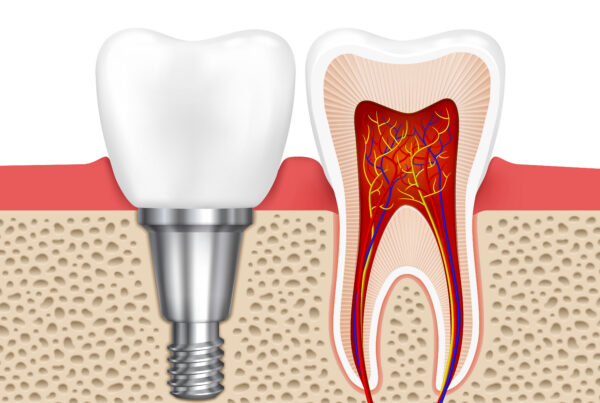
A lot of patients ask the same thing at this stage. "If a cleaning would have caught it, how did it get bad in two years?" The answer is biology. Tooth decay is a chemical reaction. Bacteria in your mouth eat sugars and produce acid. The acid dissolves the mineral structure of your enamel. Once the enamel is breached, the dentin underneath is much softer and gets eaten through faster. Once the decay reaches the pulp (the nerve and blood supply), the tooth gets infected and starts to die.
Stage one to stage two can take a year. Stage two to stage three can take six months. Stage three to a tooth that needs to be pulled can take three months once the infection is active. The reason cleanings are scheduled every six months is that this is the right interval to catch decay at the enamel stage, before it speeds up.
The Gum Side of the Story
Decay is one path. Gum disease is the other. Both are caught at cleanings. Both get exponentially more expensive when ignored. Gingivitis (the early stage) is reversible with a regular cleaning and better home care. Periodontitis (the later stage) is not reversible. The bone around your teeth dissolves, the gums recede, the teeth get loose, and eventually the teeth are lost.
A cleaning at $99 reverses gingivitis. A four-quadrant deep cleaning for periodontitis is $600 ($150 per quadrant). Bone grafting and gum surgery for advanced cases run $2,000 to $5,000. Replacing teeth lost to periodontal disease can run $20,000 or more for a full upper or lower arch.
05.The Signals You Can Notice at Home
If you have been skipping cleanings, these are the signs that the cost ladder is already starting. Not all of them mean a major problem yet. But all of them mean it is time to book the next cleaning fast, before they progress.
06.The Insurance Math Most Patients Miss
Here is the part most patients do not realize. Most PPO dental insurance plans cover routine cleanings at 100% with no deductible, twice per year. The cleaning often costs you nothing out of pocket. Insurance companies cover preventive care fully because they know cleanings prevent expensive future claims. They are not doing it to be nice. They are doing it because the math works for them too.
If you have insurance and you have not been using your two yearly cleanings, you are leaving money on the table. Those benefits do not roll over. December 31st comes and they are gone. Then January 1st starts a new yearly maximum that you will probably also not use if the pattern continues.
If Insurance Covers Cleanings 100%, Why Do Patients Still Skip Them?
07.What If It Has Already Been a Few Years?
A lot of patients reading this are in the situation already. It has been two, three, five years since a real cleaning. They are not sure what is going on in their mouth, and they are scared of what we will find. Here is the honest version of what happens at that first visit.
First, no judgment. We see this every week, and we do not lecture. The point of the visit is to figure out where you are, not to make you feel bad about how you got here. Second, we take X-rays and do an exam. We tell you exactly what we find, in plain language, with the costs written out before any treatment starts. Third, you decide what to do next. Sometimes it is just a cleaning and you are good. Sometimes it is a cleaning plus a couple of fillings. Sometimes it is bigger and we lay out a multi-visit plan with priorities and financing options.
08.The Bottom Line
The case for the $99 cleaning is not a moral case. It is a math case. Two years of cleanings costs $396, often $0 with insurance. Two years of skipped cleanings can lead to $3,000 or more in restorative work. The price of preventive care is always lower than the price of fixing what preventive care would have caught.
If you are a patient who has been on schedule, keep going. You are doing it right and the math is working in your favor. If you are a patient who has been skipping, the right move is not to feel bad about it. The right move is to book the next appointment and reset the curve. The longer the gap, the more it eventually costs to close it.
Best Dental serves patients across our service areas with flat published pricing on every procedure mentioned in this article. Cleanings, fillings, root canals, crowns, extractions, and implants are all priced upfront before treatment starts. No surprise bills. No "we will tell you the cost after we are in the chair." If you have been putting off a cleaning, the next 45 minutes can save you the next $3,000.
Reset the Curve.
Book a $99 Cleaning Today.
Same-week appointments are usually available. We accept most PPO dental insurance plans, often covering cleanings at 100%. New patients welcome.