
Invisalign vs. Traditional Braces
A complete side-by-side comparison to help you choose the right path to a straighter smile — with pricing, timelines, and an honest look at both options.
Understanding Your Options
Both Invisalign and traditional braces can give you a straighter, healthier smile. The difference is in how they work, how they feel, and how they fit into your life.
"Clear aligner therapy has advanced significantly and can now address a broad range of malocclusions effectively. For mild to moderate cases, patient satisfaction with clear aligners is consistently high — particularly among adult patients for whom appearance during treatment is a priority."— American Association of Orthodontists — Clear Aligner Therapy
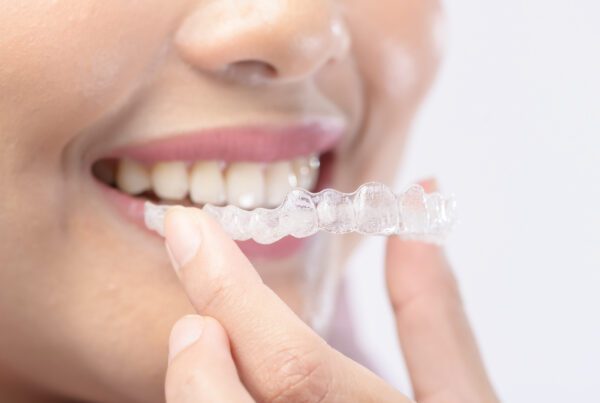
Invisalign clear aligners use a series of custom-made, removable plastic trays to gradually shift your teeth into position. Each set of aligners is worn for one to two weeks before progressing to the next. Because they're transparent, most people around you won't notice them at all.
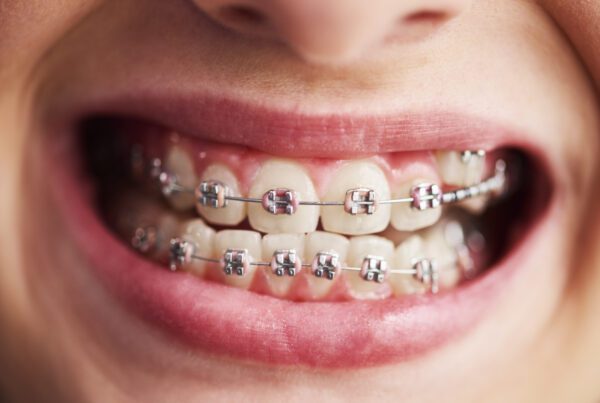
Traditional metal braces use brackets bonded to each tooth, connected by an archwire that is gradually tightened to move teeth. They are fixed in place for the duration of treatment and work continuously — 24 hours a day, 7 days a week — without requiring any patient compliance beyond keeping them clean.
The right choice depends on the complexity of your orthodontic issues, your lifestyle, your budget, and how much you care about appearance during treatment. Best Dental offers both, and our team will give you an honest recommendation based on what your teeth actually need.
Side-by-Side Comparison
A direct look at how the two options compare across the factors that matter most.
| Factor | Invisalign Clear | Traditional Braces Fixed |
|---|---|---|
| Appearance | Nearly invisible clear plastic aligners | Visible metal brackets and wires; clear ceramic brackets available |
| Removability | Removable for eating, brushing, and special occasions | Fixed in place throughout treatment — cannot be removed |
| Compliance Required | Must be worn 20–22 hours/day — results depend on patient discipline | No compliance required — works 24/7 automatically |
| Comfort | Smooth plastic edges; pressure from new aligners is usually mild | Brackets and wires can irritate cheeks and gums, especially at first |
| Treatment Time | 12–18 months (mild to moderate cases) | 18–36 months; often faster for complex cases |
| Office Visits | Every 6–8 weeks | Every 4–6 weeks for adjustments |
| Food Restrictions | None — remove aligners before eating anything | Avoid hard, sticky, and chewy foods that can break brackets |
| Oral Hygiene | Straightforward — brush and floss normally after removing | More involved — requires floss threaders, interdental brushes, or water flosser |
| Case Complexity | Best for mild to moderate issues | Handles all cases, including severe crowding and complex bite corrections |
| Risk of Loss | Aligners can be lost or damaged — replacements cost extra | Fixed in place — nothing to lose or forget |
Invisalign — Pros & Cons
Clear aligners offer real advantages — but they also come with tradeoffs worth understanding before you commit.
✓ Advantages of Invisalign
- Virtually invisible: Most people won't notice you're in treatment — ideal for working professionals and appearance-conscious adults
- Removable: Take them out for meals, drinks, photos, or special events without any lasting impact on treatment
- Easier oral hygiene: Brush and floss exactly as you normally would — no brackets to work around
- No food restrictions: Remove aligners before eating, then put them back — no banned foods
- Comfortable edges: Smooth plastic with no sharp metal pieces to irritate gum tissue or cheeks
- Fewer office visits: Check-ins every 6–8 weeks vs. monthly adjustments for braces
- Digital preview: See a simulated projection of your expected final result before starting treatment
✗ Limitations of Invisalign
- Requires strict compliance: Must be worn 20–22 hours per day — poor compliance directly extends treatment time and compromises results
- Not ideal for severe cases: Complex bite issues, large rotations, and significant vertical movements often require traditional braces
- Generally higher cost: Typically more expensive than metal braces for comparable case complexity
- Can be lost or damaged: Removability is also a vulnerability — replacements add time and cost
- Requires cleaning the aligners: Trays must be rinsed and cleaned daily to prevent odor and discoloration
- Initial speech adjustment: A mild lisp is common in the first few days with a new set of aligners
Traditional Braces — Pros & Cons
Braces have a long track record for a reason — they remain the most versatile orthodontic tool available. Here's what to know.
✓ Advantages of Traditional Braces
- Handle any case: Effective for the full spectrum of orthodontic issues — severe crowding, significant bite corrections, complex rotations, and more
- Zero compliance required: Fixed to your teeth and working 24 hours a day — results don't depend on whether you remember to put them back in
- More affordable: Metal braces typically cost less than Invisalign for comparable treatment
- Faster for complex cases: Orthodontists have more precise mechanical control over tooth movement — often achieving better final results on difficult cases
- Nothing to lose: Fixed appliances mean no risk of misplacing, forgetting, or damaging removable trays
- Aesthetic options: Clear ceramic brackets provide a less visible alternative to metal while maintaining the fixed advantages
✗ Limitations of Traditional Braces
- Visible during treatment: Metal brackets and wires are noticeable — though clear ceramic brackets reduce this significantly
- Food restrictions: Hard, sticky, and chewy foods can break brackets or bend wires — requires dietary adjustments for the full treatment period
- More involved oral hygiene: Cleaning around brackets requires extra tools and more brushing time to prevent buildup and cavities
- Initial discomfort: New brackets and post-adjustment soreness can be uncomfortable for the first few days of treatment and after each adjustment
- More frequent office visits: Monthly adjustment appointments vs. every 6–8 weeks for Invisalign
- Not removable: Cannot be taken out for photos, events, or any other reason during treatment
Cost Comparison
Orthodontic investment in Richmond, TX — what to expect for each option, and how to make it work with your budget.
| Option | Typical Range (Richmond, TX) | Key Cost Factor |
|---|---|---|
Invisalign Full |
$3,500 – $8,000 |
Number of aligners needed; case complexity |
Invisalign Lite |
$2,500 – $4,500 |
Minor corrections only; limited aligner sets |
Traditional Metal Braces |
$3,000 – $7,000 |
Treatment duration and complexity |
Clear Ceramic Braces |
$4,000 – $8,000 |
Material premium over metal brackets |
Which Option Is Right for You?
Use these decision guides as a starting point — your final recommendation will come from a clinical evaluation, not a checklist.
Invisalign — Consider If You:
- Have mild to moderate crowding, spacing, or bite issues
- Want treatment to be as invisible as possible
- Are a working adult or older teen who will wear aligners consistently
- Value the flexibility to remove your orthodontics for meals and events
- Want easier brushing and flossing throughout treatment
- Have completed previous orthodontic treatment and need refinement
- Prefer fewer office visits
Braces — Consider If You:
- Have complex orthodontic issues — severe crowding, significant bite problems, large rotations
- Want the most affordable option
- Prefer not to rely on your own discipline for results
- Are a younger teen who may not reliably wear removable aligners
- Have been told previously you were not a good Invisalign candidate
- Need more precise vertical or rotational tooth movements
- Want the broadest range of orthodontic correction available
Life During Treatment
Day-to-day experience is one of the most important practical differences between the two options.
With Invisalign, your daily routine involves removing your aligners before every meal or snack, rinsing them, brushing and flossing after eating, and putting them back in — ideally within 30 minutes. You'll also clean your aligners daily with a soft brush and mild soap or the Invisalign cleaning system to prevent discoloration and odor. Most patients adapt to this routine within a week or two and find it feels natural. The trade-off: eating out, snacking, or drinking anything other than water means going through this process every time.
With traditional braces, eating is simpler — you're not removing anything — but what you eat matters. Hard foods (ice, raw carrots, hard pretzels), sticky foods (caramel, gummies, gum), and chewy foods (bagels, thick bread) can loosen or break brackets and wires, leading to emergency appointments. Cleaning takes longer: a thorough braces-cleaning session with a regular brush, interdental brushes, and either floss threaders or a water flosser typically adds 5–10 minutes to your oral hygiene routine — and it matters, since food trapped around brackets is one of the leading causes of cavities during orthodontic treatment.
Orthodontic Care at Best Dental
Dr. Jasmine Naderi — Invisalign & Orthodontic Provider
Dr. Jasmine Naderi has treated hundreds of orthodontic patients at Best Dental in Richmond, TX with both Invisalign and traditional braces. She takes an evidence-based approach to treatment planning — using digital X-rays, photographs, and diagnostic records to recommend the appliance that will produce the best clinical outcome for each patient's specific anatomy, not simply the most expensive or most requested option. Her thorough consultations ensure patients understand exactly what treatment involves before committing.
Learn More About Dr. Jasmine Naderi →Frequently Asked Questions
Common questions from Richmond patients comparing Invisalign and braces.
Key Takeaways — Invisalign vs. Braces
Related Resources
More from Best Dental on orthodontic options and pricing.
Ready to Choose Your Path to a Straighter Smile?
Schedule a consultation at Best Dental in Richmond, TX. Dr. Jasmine Naderi will evaluate your case, walk you through your options, and give you a clear treatment plan and pricing for both Invisalign and braces — so you can make the right decision for your smile and your life.