Oral Appliance Therapy for
Sleep Apnea in Richmond, TX
Custom FDA-approved dental devices that keep your airway open during sleep — a proven CPAP alternative for patients with mild to moderate obstructive sleep apnea. No mask, no machine, no noise.
What Is Sleep Apnea?
Obstructive sleep apnea (OSA) is a condition in which the soft tissues at the back of the throat — the tongue, soft palate, and throat muscles — repeatedly collapse during sleep, partially or completely blocking the airway. Each collapse causes a pause in breathing that can last from a few seconds to over a minute. The brain detects the oxygen drop, triggers a brief awakening to restore breathing, and the cycle repeats — sometimes hundreds of times per night.
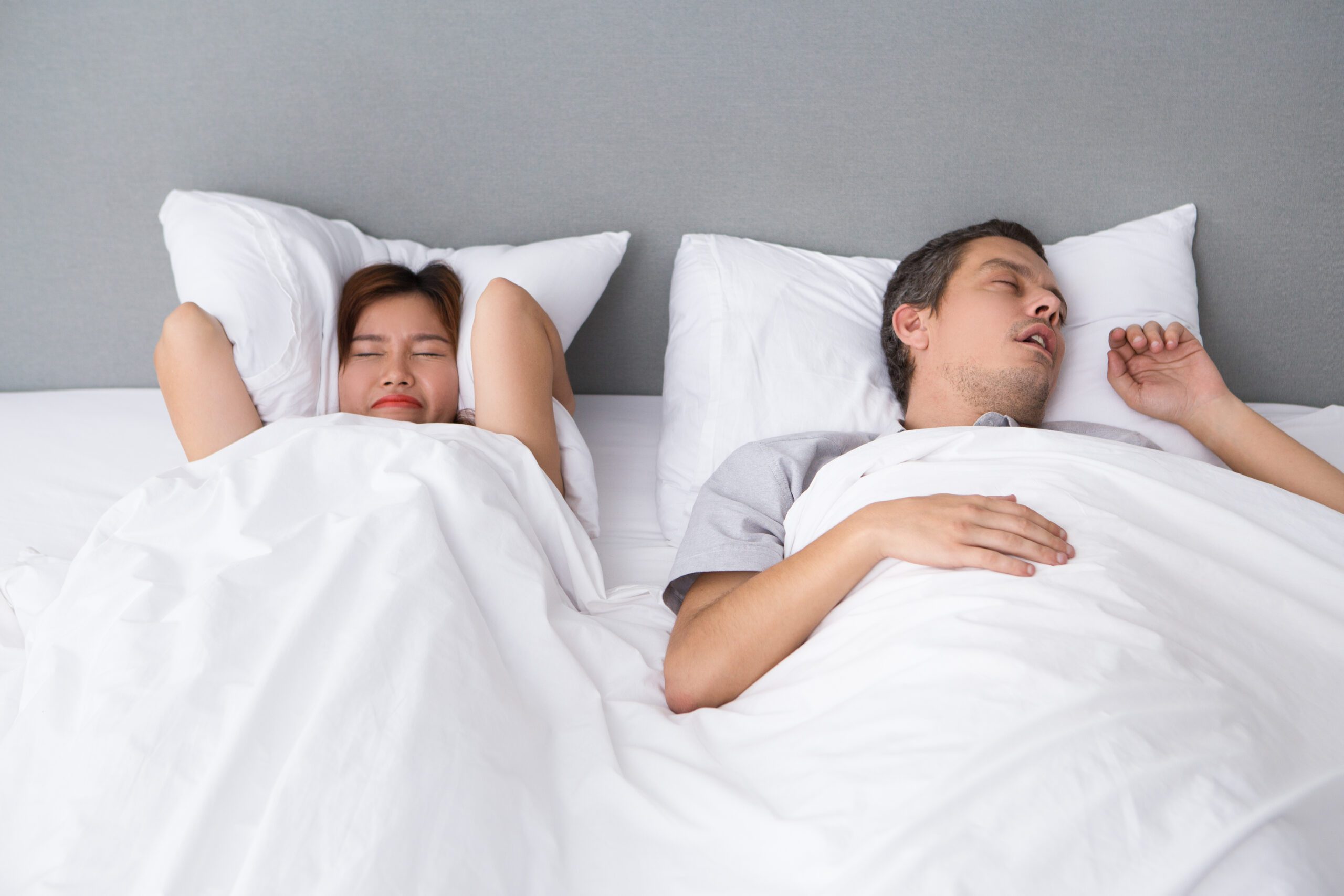
Most people with sleep apnea are entirely unaware this is happening. Their bed partner hears the snoring and gasping. They wake up feeling exhausted despite a full night in bed. They struggle with daytime drowsiness, morning headaches, difficulty concentrating, and irritability — symptoms commonly attributed to stress or aging rather than a treatable medical condition.
The consequences of untreated sleep apnea extend well beyond fatigue. Repeated oxygen desaturations night after night place significant strain on the cardiovascular system, raising the risk of hypertension, heart disease, stroke, and type 2 diabetes. OSA is also independently associated with increased risk of motor vehicle accidents due to daytime drowsiness. It is not a benign inconvenience — it is a serious medical condition that responds well to treatment when properly diagnosed.
"Overall, the apnea-hypopnea index improved by 48% in mild, 67% in moderate, and 62% in severe OSA… Oral appliances are the recommended first-line option for mild-to-moderate obstructive sleep apnea."
This 2024 meta-analysis — published in the official journal of the American Academy of Otolaryngology — confirms that oral appliances significantly reduce breathing disruptions across all severity levels of obstructive sleep apnea. For patients with mild to moderate OSA, oral appliance therapy is recommended as a first-line treatment option by both the American Academy of Sleep Medicine and the American Academy of Dental Sleep Medicine.
The Connection Between Dentistry and Sleep Apnea
Obstructive sleep apnea is fundamentally a structural problem — the airway collapses because of the position and muscle tone of the jaw, tongue, and throat tissues during sleep. Dentists are the specialists most qualified to work with the teeth, jaw, and oral structures that determine airway dimensions. During routine exams, dentists frequently observe signs pointing toward undiagnosed sleep apnea — worn tooth enamel from nighttime grinding, scalloped tongue edges, a narrow palate, or a recessed jawline. If you've been told you grind your teeth, sleep apnea may be a contributing factor.
Dentists trained in dental sleep medicine work in collaboration with sleep physicians — not in place of them. The sleep physician diagnoses OSA through a sleep study and determines whether oral appliance therapy is medically appropriate. The dentist then evaluates oral health and bite, selects the appropriate device, fabricates the custom appliance, and monitors treatment outcomes over time.
Warning Signs of Sleep Apnea
Many patients live with undiagnosed sleep apnea for years. If you recognize multiple signs below, a sleep study can provide answers — and treatment can be life-changing.
Loud, Chronic Snoring
Especially snoring punctuated by pauses and gasping sounds reported by a bed partner.
Waking Unrefreshed
Feeling exhausted even after 7–8 hours of sleep. Never feeling truly rested.
Morning Headaches
Caused by repeated overnight oxygen desaturation — often misattributed to other causes.
Excessive Daytime Sleepiness
Falling asleep easily during the day, difficulty staying alert during meetings or driving.
Concentration & Memory Issues
Brain fog, forgetfulness, and difficulty focusing — caused by fragmented, oxygen-depleted sleep.
Nighttime Teeth Grinding
Bruxism is strongly associated with OSA. Your dentist may spot this before you notice symptoms.
Witnessed Breathing Pauses
A bed partner observes you stop breathing during sleep — the hallmark sign of sleep apnea.
Frequent Nighttime Urination
A lesser-known but well-documented symptom — nocturia affects many untreated OSA patients.
How Oral Appliance Therapy Works
Oral appliance therapy uses a custom-fitted dental device worn during sleep — similar in appearance to a sports mouthguard or retainer, but specifically engineered to maintain airway patency throughout the night. The device holds the lower jaw (mandible) in a slightly forward and downward position, which advances the tongue and soft throat tissues away from the airway and increases pharyngeal muscle tone to reduce collapse.
The degree of jaw advancement is adjustable — modern devices allow millimeter-by-millimeter titration until the optimal therapeutic position is found. This process occurs over several weeks, guided by symptom improvement and follow-up sleep testing to confirm the device is reducing apnea events to therapeutic levels.
This is not a boutique or experimental treatment. The American Academy of Sleep Medicine (AASM) and the American Academy of Dental Sleep Medicine (AADSM) include oral appliance therapy in their clinical practice guidelines as a first-line treatment for mild to moderate OSA and as an accepted alternative for patients who cannot tolerate CPAP.
Types of Oral Appliances
Dr. Naderi selects the optimal device type based on your anatomy, jaw function, dental condition, and sleep study results.
Mandibular Advancement Device (MAD)
Tongue Retaining Device (TRD)
⚠️ Over-the-Counter "Boil and Bite" Devices Are Not the Same
Generic snoring mouthpieces sold online or at pharmacies are not FDA-cleared for treating sleep apnea. They cannot be properly titrated, do not provide calibrated jaw advancement, and can cause bite problems or TMJ issues. A custom oral appliance fabricated by a qualified dentist is a medical device — prescribed, fitted, and monitored just like any other medical treatment.
Oral Appliance vs CPAP
CPAP remains the gold standard for severe OSA — but compliance is the central problem. An unused CPAP machine treats no one. Here's an honest comparison.
The clinical research is clear: for patients with mild to moderate OSA, oral appliance therapy is comparably effective to CPAP in improving sleep quality, daytime function, and cardiovascular outcomes. For patients with severe OSA who cannot tolerate CPAP, oral appliances provide meaningfully better outcomes than no treatment at all — and better real-world effectiveness than a CPAP device that sits unused on the nightstand.
Who Is a Good Candidate?
Oral appliance therapy is not appropriate for every patient. A proper evaluation with Dr. Naderi determines whether this treatment is right for you.
✅ Good Candidates
⚠️ Not Appropriate For
The Oral Appliance Process
From diagnosis to a custom-fitted device, the process is straightforward. Dr. Naderi coordinates with your sleep physician at every stage.
Sleep Study & Diagnosis
Physician-orderedDental Evaluation at Best Dental
45–60 minutesDigital Impressions & Records
20–30 minutesCustom Device Fabrication
2–3 weeksFitting & Delivery
30–45 minutesTitration & Follow-Up
Several weeksOngoing Monitoring
Annual visitsCost & Insurance
Because sleep apnea is a medical condition, oral appliance therapy is typically billed to medical insurance — not dental insurance. Most plans cover it with a formal diagnosis.
💡 The cost of not treating sleep apnea: Untreated OSA significantly increases the risk of hypertension, heart disease, stroke, type 2 diabetes, and motor vehicle accidents. The downstream medical costs of these conditions — hospitalizations, medications, lost productivity — dwarf the one-time cost of an oral appliance. Treatment is an investment in your health, safety, and quality of life.
Frequently Asked Questions
Key Takeaways About Oral Appliance Therapy at Best Dental
Ready to Sleep Better in Richmond, TX?
If you've been diagnosed with sleep apnea or suspect you have it, Dr. Jasmine and Dr. Sonny Naderi can evaluate you for oral appliance therapy at Best Dental — 22377 Bellaire Blvd, Suite 400, Richmond, TX 77407.