
How Effective Is Invisalign?
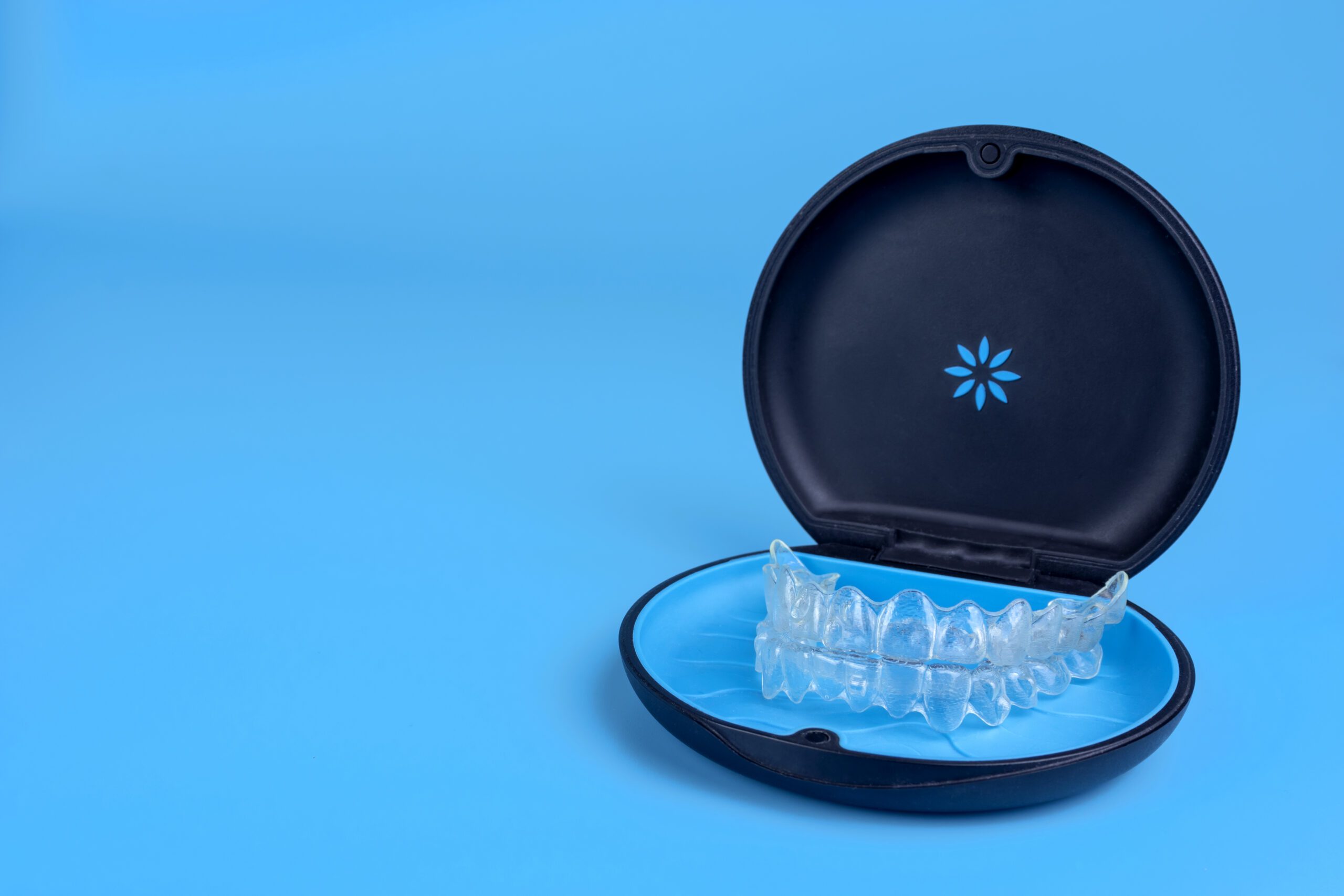
Considering Invisalign clear aligners? Dr. Jasmine Naderi and Dr. Sonny Naderi at Best Dental explain Invisalign's effectiveness based on clinical research and real patient outcomes. Learn what Invisalign can and can't treat, success rates for different orthodontic issues, and how it compares to traditional braces. Get honest, evidence-based answers to make the best decision for your smile.
Schedule ConsultationThe Bottom Line on Invisalign Effectiveness
✓ Yes, Invisalign Is Highly Effective
Invisalign successfully treats mild to moderate orthodontic issues in 90-95% of cases when patients follow prescribed wear schedules. Clinical studies show Invisalign achieves comparable results to traditional braces for most common alignment problems including crowding, spacing, overbites, underbites, and crossbites. Patient satisfaction rates exceed 95%, with most achieving their desired smile improvement.
At Best Dental in Richmond, TX, Drs. Naderi have successfully treated hundreds of patients with Invisalign clear aligners. However, effectiveness depends heavily on three critical factors: appropriate case selection (choosing Invisalign for cases it handles well), patient compliance (wearing aligners 22 hours daily), and experienced provider oversight (proper planning and monitoring).
The question isn't simply "Is Invisalign effective?" but rather "Is Invisalign effective for YOUR specific orthodontic needs?" This article provides the detailed information you need to make that determination.
Invisalign Success Rates by Condition
Research published in peer-reviewed dental journals shows Invisalign's effectiveness varies by the type of orthodontic problem being treated:
Effectiveness by Orthodontic Issue
- Mild to moderate crowding: 95%+ success rate—Invisalign excels at creating space and aligning crowded teeth
- Spacing and gaps: 95%+ success rate—closing gaps between teeth is one of Invisalign's strongest applications
- Mild to moderate overbite: 85-90% success rate—effective for most overbites, though severe cases may need braces
- Mild underbite: 80-85% success rate—works well for minor underbites, severe cases often require surgery
- Crossbite: 90%+ success rate—highly effective at correcting crossbites of all types
- Open bite: 70-80% success rate—more challenging, may require attachments and extended treatment
- Relapse after braces: 95%+ success rate—excellent for patients whose teeth shifted after previous orthodontics
- Severe malocclusion: 50-60% success rate—complex cases often better suited to traditional braces or combination treatment
Overall Success Metrics
According to manufacturer data and independent research: 96% of patients achieve satisfactory tooth alignment, 94% complete treatment within predicted timeframe when compliant, 90% require no additional refinement aligners beyond original plan, and 88% report treatment met or exceeded expectations. These numbers assume proper case selection and patient compliance with 22-hour daily wear requirement.
What Invisalign Can Treat Effectively
Crowding
Teeth overlapping due to insufficient space. Invisalign gradually expands arches and creates room, aligning crowded teeth beautifully. Excellent results for mild-moderate cases.
Spacing & Gaps
Gaps between teeth from missing teeth, small teeth, or large jaw. Invisalign closes spaces efficiently while maintaining proper bite. One of its strongest applications.
Overbite
Upper teeth overlap lower teeth excessively. Invisalign corrects mild-moderate overbites by repositioning teeth and adjusting bite relationship. May use elastics for correction.
Underbite
Lower teeth protrude beyond upper teeth. Effective for mild underbites caused by tooth position rather than jaw size discrepancy. Severe skeletal underbites need surgery.
Crossbite
Upper teeth bite inside lower teeth on one or both sides. Invisalign expands arches and corrects tooth positions effectively. High success rate for crossbites.
Relapse Cases
Teeth shifted after previous braces due to not wearing retainers. Invisalign re-straightens relapsed teeth quickly and efficiently. Then you'll wear retainers properly!
Invisalign Limitations
While highly effective for many cases, Invisalign has limitations compared to traditional braces:
⚠️ When Braces May Be Better
- Severe crowding: Teeth requiring extraction or significant expansion may need braces' stronger forces
- Large rotations: Rotating severely twisted teeth (especially canines or premolars) is challenging with aligners
- Vertical tooth movement: Moving teeth up/down in jawbone (intrusion/extrusion) is difficult with Invisalign
- Severe overbite/underbite: Skeletal discrepancies or extreme bite problems often require braces or surgery
- Complex multi-directional movement: Teeth needing simultaneous movement in multiple directions respond better to braces
- Certain tooth shapes: Short, rounded teeth lack surface area for aligners to grip effectively
- Young teenagers: Immature patients who won't comply with 22-hour wear do better with fixed braces
The Compliance Factor
Invisalign's biggest limitation isn't mechanical—it's behavioral. Aligners MUST be worn 22 hours daily to work. Remove them more than 2 hours daily, and treatment stalls or fails. Traditional metal braces work 24/7 regardless of patient cooperation. For patients with poor compliance habits, braces deliver better results despite being less aesthetic.
Compromise Solutions
For cases at Invisalign's limits, Dr. Naderi may suggest: starting with braces for major movement, then switching to Invisalign for finishing; combining Invisalign with auxiliary appliances like expanders; or using clear braces offering aesthetic appeal with braces' mechanical advantages.
Invisalign vs Traditional Braces Effectiveness
Invisalign
- 90-95% effective for mild-moderate cases
- Excellent for crowding, spacing, crossbites
- Good for mild overbites/underbites
- Struggles with severe cases
- Limited vertical tooth movement
- Requires patient compliance
- Treatment time: 12-18 months average
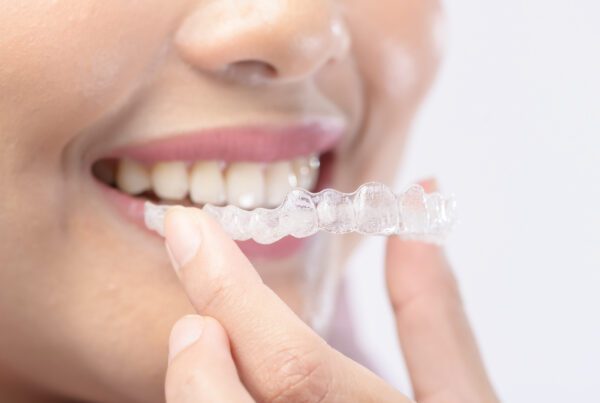
- Nearly invisible appearance
- Removable for eating/cleaning
Traditional Braces
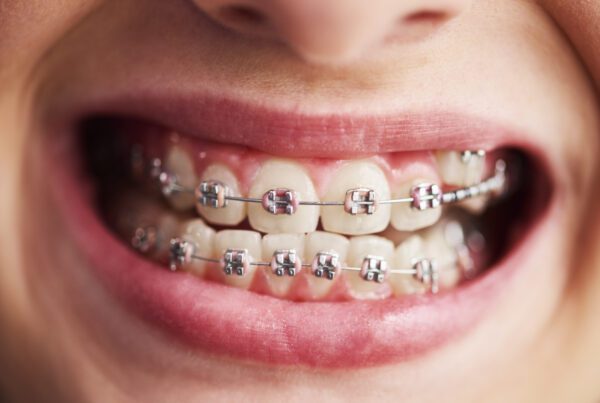
- 95-98% effective for all case types
- Excellent for all orthodontic problems
- Handles severe overbites/underbites
- Treats complex cases effectively
- Precise vertical tooth control
- Works regardless of compliance
- Treatment time: 18-24 months average
- Visible metal or ceramic brackets
- Fixed—cannot be removed
Which Is More Effective?
For mild to moderate cases within Invisalign's capabilities, effectiveness is essentially equal—both achieve excellent results. Braces gain the advantage in complex cases requiring precise control of tooth movements in multiple directions. The "better" choice depends on your specific orthodontic needs, lifestyle preferences, and budget. View Invisalign cost information to compare investment required.
Factors Affecting Invisalign Success
Several factors determine whether Invisalign will be effective for you:
1. Case Selection
The most important factor—choosing appropriate cases. When Dr. Naderi recommends Invisalign, it's because your orthodontic issues fall within its effective range. Poor case selection (attempting to treat severe problems with Invisalign) leads to disappointing results. Honest assessment during consultation prevents frustration later.
2. Patient Compliance
Wear aligners 22 hours daily, every single day. Remove only for eating, drinking anything except water, and oral hygiene. Non-compliance is the #1 cause of Invisalign failure. Patients who wear aligners <20 hours daily experience: treatment stalls requiring restart, extended timelines adding months, poor final results requiring refinement, wasted money on ineffective treatment.
3. Provider Experience
Orthodontic expertise matters enormously. Experienced providers like Drs. Naderi: create more accurate treatment plans anticipating tooth movement, know when to use attachments and elastics for better control, identify potential problems before they occur, and make appropriate adjustments when plans need modification. An inexperienced provider can ruin a straightforward case; an expert can succeed with challenging ones.
4. Use of Attachments
Small tooth-colored buttons bonded to teeth give aligners better grip for complex movements. Cases using attachments strategically show 15-20% better outcomes than those without. Attachments are slightly visible but dramatically improve effectiveness for rotations, extrusions, and root movements.
5. Age and Tooth Condition
Adults and motivated teens see better results than young teenagers. Healthy teeth and gums respond better than those with periodontal disease. Existing dental work (crowns, bridges) can complicate movement but doesn't prevent treatment.
6. Realistic Expectations
Patients understanding Invisalign's capabilities and limitations report higher satisfaction. Unrealistic expectations ("I want perfect teeth in 6 months without wearing aligners much") lead to disappointment regardless of actual results achieved.
Invisalign Treatment Timeline
How long does Invisalign take to be effective? Timeline varies by case complexity:
Typical Treatment Duration
- Minor spacing or mild crowding: 6-8 months—quick results for simple cases
- Moderate crowding or spacing: 12-15 months—average treatment timeline
- Bite correction (overbite, underbite, crossbite): 15-18 months—bite changes take longer
- Complex cases with multiple issues: 18-24 months—comprehensive treatment requires time
- Refinement (if needed): Additional 2-6 months—fine-tuning final positions
Visible Results Timeline
While full treatment takes months, visible improvements appear quickly: noticeable changes within 2-3 months for most patients, significant improvement by 6 months into treatment, and major transformation visible by month 9-12. Early results motivate continued compliance.
Factors Affecting Timeline
Treatment speed varies based on: severity of misalignment (worse problems take longer), patient compliance (perfect wear = predicted timeline; poor wear = extended timeline), biological response (teeth move at different rates in different people), and refinements needed (some cases require additional aligners beyond original plan).
Frequently Asked Questions
Is Invisalign as effective as braces?
For mild to moderate orthodontic issues (which represent 70-80% of cases), Invisalign is equally effective as braces—both achieve excellent results. Research shows comparable outcomes for crowding, spacing, overbites, and crossbites. Braces maintain an edge for severe cases, complex rotations, and vertical tooth movements. The effectiveness gap has narrowed significantly as Invisalign technology has advanced.
What percentage of people are satisfied with Invisalign?
Studies show 95-96% patient satisfaction rates with Invisalign. The vast majority would recommend treatment to friends and are happy with results. Dissatisfaction usually stems from unrealistic expectations, poor compliance leading to extended treatment, or inappropriate case selection (trying to treat severe issues better suited to braces).
Can Invisalign fix severe crowding?
It depends on severity. Moderate crowding responds well to Invisalign—excellent results in most cases. Severe crowding requiring tooth extraction may be challenging and could be better treated with braces. During consultation, Dr. Naderi will honestly assess whether your crowding falls within Invisalign's effective range or if braces would deliver better results.
Why do some people say Invisalign didn't work?
Common reasons for Invisalign "failure": patient didn't wear aligners 22 hours daily (most common), case was too complex for Invisalign but provider attempted anyway, poor treatment planning by inexperienced provider, patient stopped treatment before completion, or unrealistic expectations that no orthodontic treatment could meet. Proper case selection and compliance prevent most failures.
How do I know if Invisalign will work for me?
Schedule a consultation with Dr. Naderi. She'll examine your teeth, take digital scans or impressions, analyze your bite, and create a virtual treatment simulation showing predicted results. This ClinCheck preview shows exactly what Invisalign can achieve for YOUR teeth before you commit. If results don't meet your goals, Dr. Naderi will recommend better alternatives.
Does Invisalign work faster than braces?
Sometimes. Simple to moderate Invisalign cases often complete in 12-15 months versus 18-24 months for braces. However, complex cases may take equally long regardless of method. Speed differences have narrowed as Invisalign technology improved and braces became more efficient. Choose based on effectiveness for your case, not speed alone.
Will I need refinement aligners?
Approximately 30-40% of patients need refinement aligners after initial treatment to fine-tune final positions. This doesn't mean treatment "failed"—refinements are normal for achieving optimal results. Most refinements add 2-4 months to timeline. Quality Invisalign providers include refinements in original treatment cost.
Can Invisalign fix an overbite or underbite?
Mild to moderate overbites: Yes, highly effective—80-90% success rate. Severe overbites: Possibly with elastics and attachments, but braces may work better. Mild underbites: Yes, good results for dental (tooth position) underbites—75-85% success. Severe skeletal underbites: No, these require surgery with or without orthodontics. Dr. Naderi will determine if your bite issue is within Invisalign's treatment range.
📋 Key Takeaways
- Invisalign is 90-95% effective for mild to moderate orthodontic cases
- Comparable to braces for crowding, spacing, crossbites, and mild bite issues
- Patient satisfaction rates exceed 95% when properly selected and compliant
- Requires 22 hours daily wear—compliance is critical to success
- Struggles with severe cases, large rotations, and vertical movements
- Provider experience significantly impacts treatment outcomes
- Average treatment time 12-18 months for typical cases
- 30-40% of patients need refinement aligners for final perfection
- Consultation with digital preview shows predicted results before starting
- Success depends on appropriate case selection, compliance, and expert planning
Find Out If Invisalign Will Work for You
Stop wondering if Invisalign is effective—get personalized answers from Dr. Naderi at Best Dental. During your consultation, we'll evaluate your specific orthodontic needs, create a digital treatment simulation showing predicted results, and honestly assess whether Invisalign or alternative treatments will deliver the smile you want. See exactly what's possible before making any commitment. Schedule your Invisalign consultation today and discover your smile transformation potential. Call (281) 215-3065 or book online now!
Schedule Consultation