What Houston Residents Can Expect
from Dental Implant Surgery
Book an Implant Consultation →
In This Article
- The Implant Procedure — An Honest Overview
- Are You a Candidate? What the Consultation Determines
- Step-by-Step: From Consultation to Final Crown
- How Much Does It Hurt? An Honest Pain Assessment
- Simple vs. Complex Cases — What Makes the Difference
- Recovery — What to Expect Day by Day
- Full Timeline at a Glance
- Frequently Asked Questions
Most Houston patients researching dental implants know the endpoint — a permanent tooth that looks and functions like a natural one. What they're less clear on is the journey: how many appointments it takes, what happens at each one, how much discomfort is involved, and how long they'll wait between steps.
This guide walks through every stage of the implant procedure in plain language — from your first consultation through the placement of your final crown — so there are no surprises at any point in the process. For pricing information and what's included at Best Dental, visit our Houston dental implants page.
The Implant Procedure — An Honest Overview
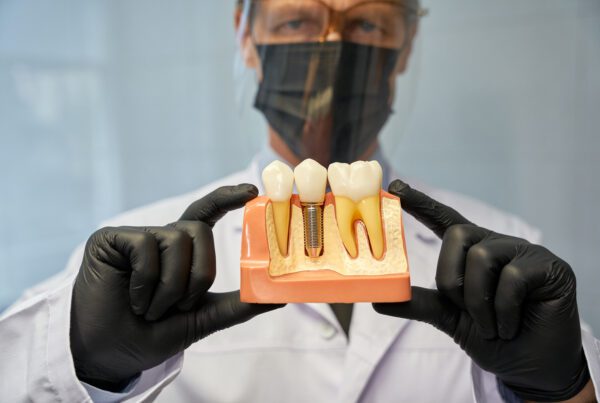
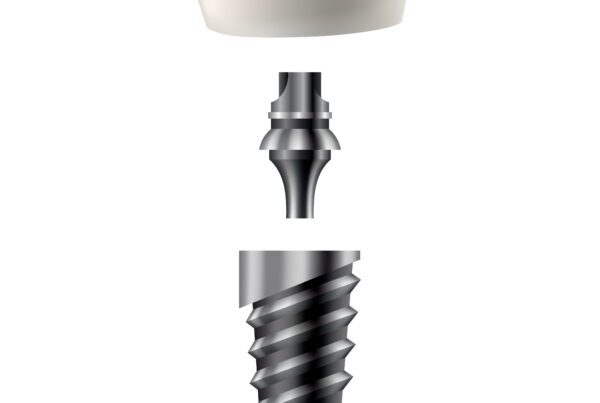
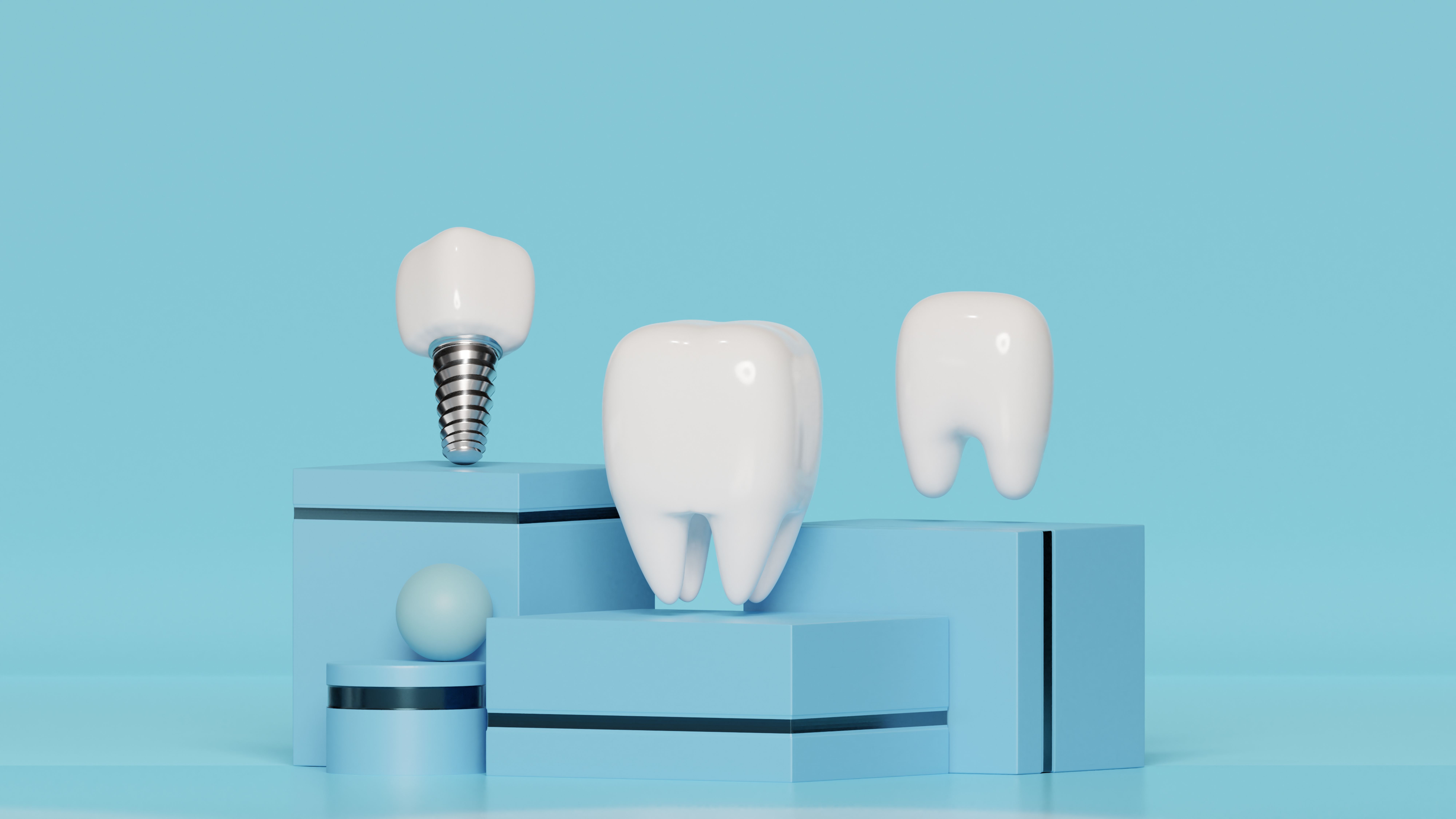
A dental implant is a three-part restoration: a titanium post surgically placed in the jawbone (the implant itself), an abutment that connects the post to the visible tooth, and a porcelain crown that looks and functions like a natural tooth. The procedure happens across multiple appointments over a period of 3–6 months for a standard case — most of that time is passive healing between visits, not active treatment.
For a straightforward single-tooth implant with adequate bone and no complications, Houston patients typically attend 3–4 appointments total. The actual chairtime across all appointments is roughly 2–3 hours. The rest of the timeline is the implant integrating with the jawbone — a biological process called osseointegration that happens on its own while you go about your life.
Are You a Candidate? What the Consultation Determines
Not every patient is immediately ready for an implant — and the consultation exists specifically to determine your candidacy and plan the right sequence for your case. Here's what gets assessed.
Bone volume and density
An implant post needs sufficient jawbone to anchor into. After tooth extraction, bone begins resorbing immediately — which is why timing matters. Your dentist uses a CBCT (cone beam CT) scan or detailed X-rays to measure the exact dimensions of bone at the implant site in three dimensions. If bone volume is adequate, an implant can be placed directly. If bone has resorbed significantly, a bone graft is needed first — adding 3–4 months of healing before the implant can be placed.
Gum health
Active gum disease (periodontitis) must be treated before implant placement. Implants placed into infected or diseased tissue have significantly higher failure rates. If gum disease is present, a periodontal treatment phase precedes the implant procedure — typically one to three additional appointments to bring the tissue back to health.
General health considerations
Uncontrolled diabetes, certain medications (particularly bisphosphonates used to treat osteoporosis), heavy smoking, and immune-compromising conditions can affect implant healing and success rates. These don't always disqualify a patient — but they require discussion and sometimes specialist coordination. Your dentist reviews your health history at the consultation before any treatment is planned.
The consultation output
You leave the consultation with a complete written treatment plan: every procedure in sequence, every fee, your insurance coverage confirmed, and a realistic timeline. Nothing is scheduled or charged at the consultation itself — it's information gathering. Best Dental provides this consultation as part of the treatment planning process before any commitment is required.
Step-by-Step: From Consultation to Final Crown
Consultation, Imaging & Treatment Plan
X-rays or CBCT scan assess your bone dimensions, gum health, and adjacent tooth anatomy. Your dentist examines the site clinically and reviews your health history. A written treatment plan is produced with every step, timeline, and fee documented. If a bone graft is needed, it's planned here. If a tooth still needs extraction, that's coordinated at this stage too. You leave with a complete picture of your case before committing to anything.
Tooth Extraction (if applicable)
If the tooth being replaced is still present, extraction happens before or at the same time as bone grafting. At Best Dental, extractions are $250/tooth. In some cases — when the extraction socket has thick walls and no infection — an implant can be placed at the same appointment as the extraction ("immediate placement"). Your dentist determines feasibility from the CBCT scan. Most cases involve a healing period of 6–8 weeks post-extraction before the next step.
Bone Graft (if bone volume is insufficient)
A bone graft fills the extraction socket or augments a resorbed ridge to build enough volume for the implant post. Graft material — typically allograft (donor bone) or xenograft (bovine bone) — acts as a scaffold for your body to grow new bone around. A collagen membrane protects the graft site. The site heals and new bone consolidates over 3–4 months before implant placement proceeds. At Best Dental, bone grafts are $500/site. Not every case requires this step — patients with recent extractions and healthy bone often skip directly to implant placement.
Implant Post Placement
This is the surgical step. The area is fully numbed with local anesthetic — IV sedation is available if preferred. A small incision is made in the gum tissue, and a precisely sized channel is created in the jawbone using specialized instruments. The titanium implant post is gently threaded into the channel and the gum is sutured over or around it. The entire procedure typically takes 30–60 minutes for a single implant. Most patients describe feeling pressure and vibration — not pain. Post-procedure soreness is managed with over-the-counter ibuprofen for most patients; prescription pain medication is available for more complex cases.
Osseointegration — the Implant Fuses with the Bone
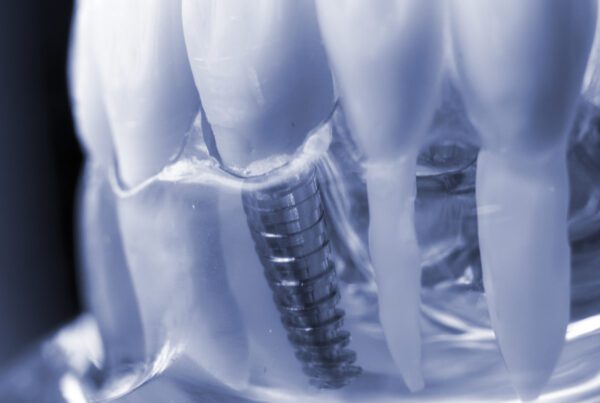
Osseointegration is the process by which the titanium post integrates with the surrounding jawbone — bone cells grow into the micro-textured surface of the implant, creating a bond that eventually rivals natural tooth root strength. This takes 3–6 months depending on bone quality, location in the jaw (lower jaw heals faster than upper), and individual biology. You don't come in during this period — you simply heal. At the end of this phase, a brief follow-up visit confirms integration before the restorative phase begins.
Abutment Placement & Impression
Once osseointegration is confirmed, the abutment — a small connector post — is attached to the implant. An impression (or digital scan) of the abutment and surrounding teeth is taken and sent to the dental lab to fabricate your custom crown. A temporary crown or healing cap is placed in the meantime to protect the site and maintain gum contour while the permanent crown is made. Lab fabrication typically takes 2–3 weeks.
Final Crown Placement
The permanent porcelain crown is tried in to verify fit, shade, and bite contacts before final placement. Minor adjustments are made chairside if needed. Once confirmed, the crown is permanently cemented or screwed onto the abutment. Your bite is checked and any final refinements are made at the same appointment. You leave with a fully restored, functional tooth — indistinguishable from a natural tooth from any angle. No further treatment is required barring any complications.
How Much Does It Hurt? An Honest Pain Assessment
Anxiety about pain is the most common reason Houston patients delay getting an implant they've known they need for years. Here's an honest, stage-by-stage pain assessment — not the reflexive reassurance that "it's basically painless" that most dental websites offer.
Implant Placement (Day of Surgery)
Abutment Placement
Final Crown Placement
Simple vs. Complex Cases — What Makes the Difference
Not all implant cases follow the same timeline or require the same steps. Here's how to think about whether your case is likely to be straightforward or more involved — and what the clinical differences mean for you.
✓ Simple / Straightforward Case
⚠ More Complex Case
The overwhelming majority of Houston patients needing a single-tooth implant have a straightforward case — particularly if they're acting within 6 months of extraction. Complexity most commonly arises from delayed treatment, where bone loss creates the need for grafting that a timely implant placement would have avoided. This is one of the most important clinical reasons not to postpone the procedure once extraction has occurred.
Recovery — What to Expect Day by Day
Recovery from implant placement is managed primarily at home. Here's what to realistically expect after the placement appointment — the step that produces the most post-procedure experience.
- Day of procedure: Rest for the remainder of the day. Bite on gauze as directed to control any oozing. Apply ice packs to the outside of the jaw (20 on, 20 off) to minimize swelling. Take ibuprofen before the anesthetic fully wears off. Soft, cool foods only. No vigorous rinsing, spitting, or straws.
- Days 1–3: Soreness peaks and then begins to ease. Swelling may be visible on the face near the jaw — this is normal and typically resolves by day 4–5. Continue ibuprofen on a schedule. Warm saltwater rinses (gentle, not forceful) after meals help keep the area clean. Soft foods throughout.
- Days 4–7: Most patients feel significantly better. Soreness diminishes to background-level. Energy and appetite return. You can begin to reintroduce firmer foods — avoid chewing directly on the implant site until cleared by your dentist.
- Week 2+: Return to normal activity and most foods. The implant site continues to heal below the surface. No special restrictions. A brief follow-up visit (typically 1–2 weeks post-placement) confirms that early healing is progressing as expected.
- During osseointegration (months 1–4): No restrictions on diet or activity. You won't feel anything happening at the implant site during this phase — integration is a silent biological process. Continue normal oral hygiene, brushing around the site gently.
Full Timeline at a Glance
Stage |
What Happens |
Appointment Time |
Wait After |
|---|---|---|---|
Consultation |
X-rays, CBCT scan, treatment plan, fee discussion |
60–90 min |
Varies |
Extraction (if needed) |
Remove remaining tooth; socket preservation graft optional |
30–60 min |
6–8 weeks |
Bone graft (if needed) |
Build bone volume; collagen membrane placed |
45–60 min |
3–4 months |
Implant placement |
Titanium post placed in jawbone under local anesthetic |
45–75 min |
3–6 months |
Osseointegration |
Bone grows into implant surface — passive healing, no visits |
No appointments |
3–6 months |
Abutment + impression |
Connector placed; crown fabricated at dental lab |
30–45 min |
2–3 weeks |
Final crown |
Permanent crown fitted and cemented — procedure complete |
30–45 min |
— |
Total chairtime across all appointments: approximately 3–4 hours for a straightforward case. Total elapsed time: 3–4 months for a simple case with no bone grafting needed; 6–10 months if a bone graft precedes placement. Active treatment time is a small fraction of the overall timeline — the rest is your body doing the work.
Know exactly what your case involves before you commit.
Best Dental provides a complete written treatment plan — every step, every fee, insurance confirmed — at your consultation before any treatment begins. Houston patients can book online or call (281) 215-3065. We're in Richmond, TX, 25–35 minutes from Houston via US-59.
Book Your Consultation →Frequently Asked Questions
Dental Implants Near Houston — $1,995 Complete
Best Dental in Richmond, TX. Written treatment plan before you commit. Insurance verified. 0% financing with no credit check. 25–35 minutes from southwest Houston via US-59.
Best Dental · 22377 Bellaire Blvd, Ste 400, Richmond, TX 77407