Are Dental Implants Worth It? A Complete Guide
📋 Table of Contents
What Are Dental Implants?
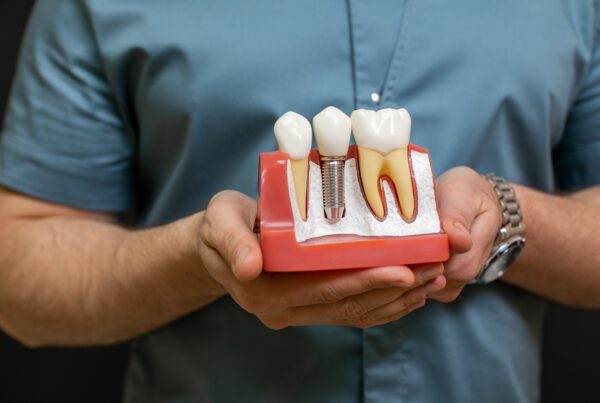
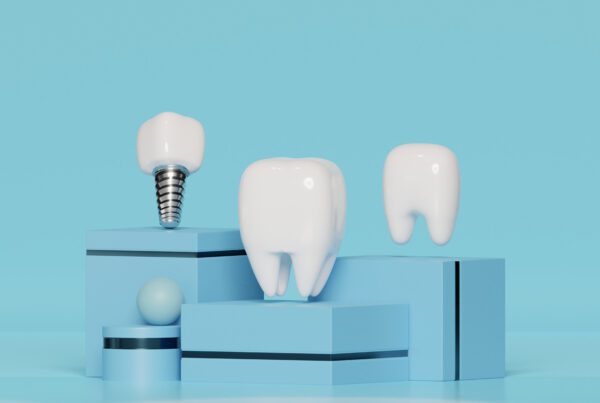
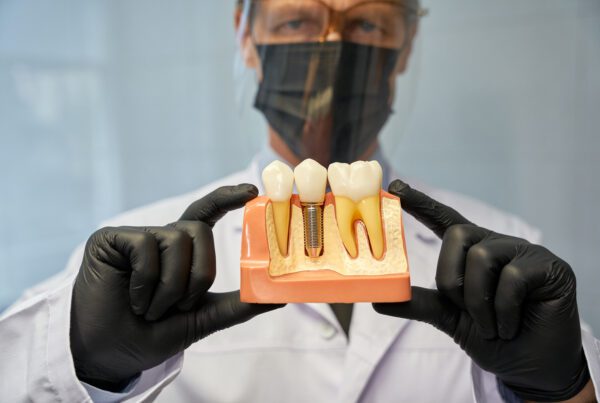
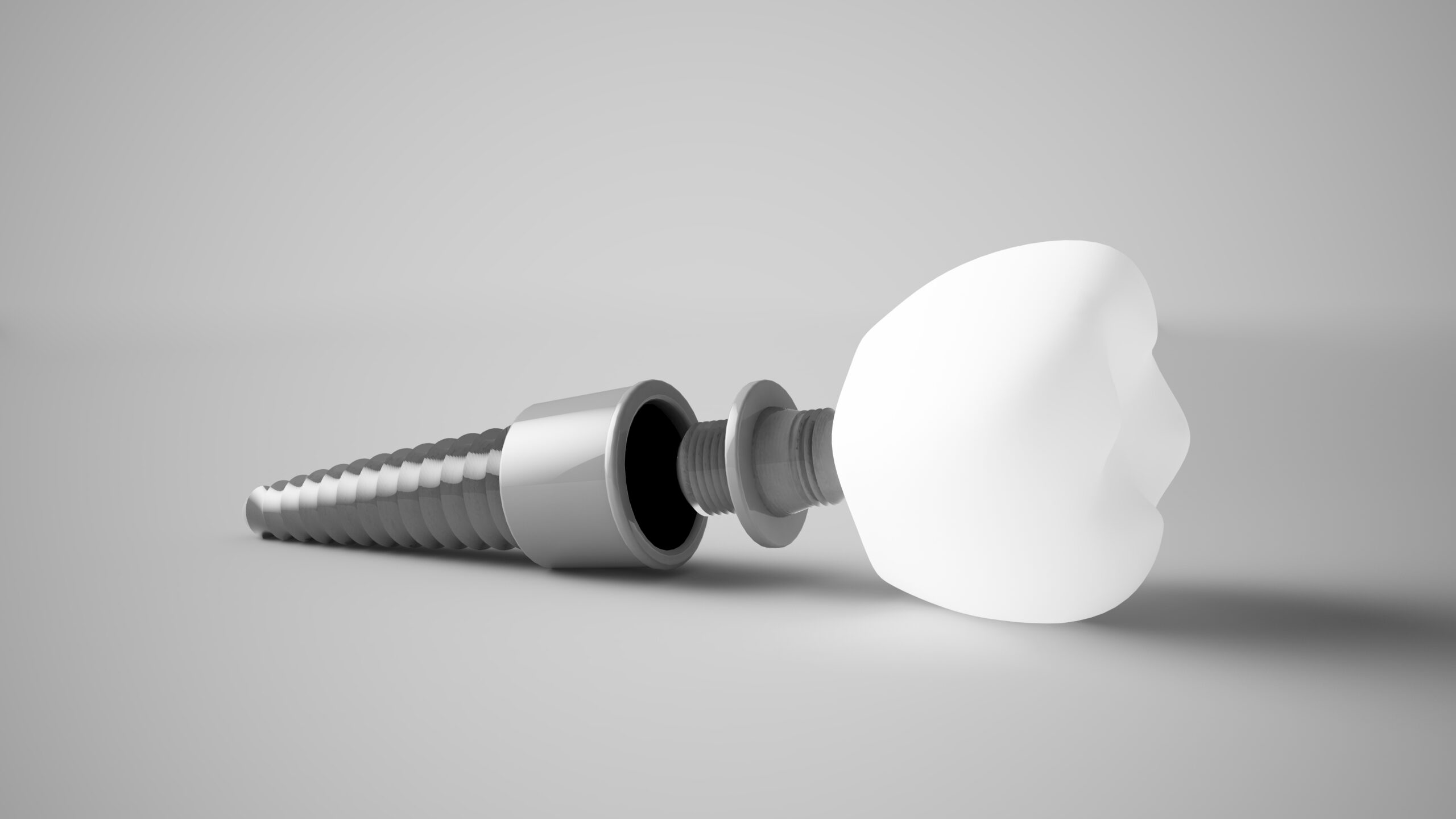
Before diving into whether they're worth it, let's understand what dental implants actually are. A dental implant is a permanent tooth replacement system that consists of three parts:
1. The Implant Post
A titanium screw surgically placed into your jawbone, serving as an artificial tooth root. This biocompatible post fuses with your bone through a process called osseointegration, creating a stable foundation.
2. The Abutment
A connector piece that attaches to the implant post and protrudes above the gum line. This component links the implant to the visible crown.
3. The Crown
A custom-made porcelain or ceramic tooth that looks and functions like a natural tooth. It's attached to the abutment and completes your smile restoration.
Unlike dentures that sit on your gums or bridges that rely on adjacent teeth, dental implants replace both the visible crown and the root structure. This fundamental difference is what makes implants uniquely valuable.
The Immediate Benefits: Why Patients Choose Implants
When patients at Best Dental in Richmond, TX ask about implants, these are the benefits that immediately resonate:
Key Immediate Benefits
- Natural Look and Feel: Dental implants look, feel, and function exactly like natural teeth—no one will know they're not your original teeth
- Restored Chewing Power: Bite force returns to near-normal levels (compared to just 25% with dentures), allowing you to eat all your favorite foods
- Improved Speech: Unlike dentures that can slip and affect pronunciation, implants stay firmly in place
- No Dietary Restrictions: Enjoy apples, corn on the cob, steaks, and crunchy foods without worry
- Enhanced Confidence: Smile, laugh, and speak without fear of teeth shifting or clicking
- Comfort: No sore spots, gagging, or discomfort from ill-fitting prosthetics
- Oral Hygiene: Brush and floss normally—no special cleaning solutions or overnight soaking required
The Long-Term Value: Where Implants Really Shine
While the immediate benefits are impressive, the true value of dental implants becomes clear when you consider long-term outcomes. Here's where implants truly justify their cost:
Bone Preservation
This is arguably the most critical advantage that many people overlook. When you lose a tooth, the jawbone in that area begins to deteriorate because it no longer receives stimulation from chewing. This process, called resorption, leads to:
- Facial sagging and premature aging appearance
- Difficulty fitting future dentures or bridges
- Weakening of adjacent teeth
- Progressive bone loss that worsens over time
Dental implants are the only tooth replacement option that prevents bone loss. The titanium post stimulates the bone just like a natural root, maintaining bone density and facial structure. This preservation becomes increasingly valuable as years pass.
Bone loss in first year after tooth extraction without implant
Success rate for dental implants over 10 years
Average lifespan of dental implants with proper care
Adjacent teeth affected (unlike bridges)
Protection of Adjacent Teeth
Traditional dental bridges require grinding down healthy adjacent teeth to serve as anchors. This permanent alteration weakens those teeth and increases their risk of decay and eventual failure. Dental implants, however, are self-supporting—they don't rely on neighboring teeth, preserving your remaining natural teeth intact.
Exceptional Longevity
While dentures need replacement every 5-10 years and bridges last 10-15 years, dental implants can last 20-30 years or even a lifetime with proper care. The crown may need replacement every 10-15 years, but the implant post itself rarely fails once successfully integrated.
Cost Analysis: Implants vs. Alternatives Over Time
The higher upfront cost of dental implants often causes sticker shock, but a complete financial analysis reveals they're often the most cost-effective solution long-term. Let's compare the real costs over 20 years:
| Option | Initial Cost | 20-Year Total Cost | Number of Replacements |
|---|---|---|---|
| Dental Implant | $3,000 - $6,000 | $3,500 - $7,000 | 0-1 crown replacement |
| Dental Bridge | $2,000 - $5,000 | $4,000 - $10,000 | 1-2 full replacements |
| Partial Denture | $700 - $1,800 | $3,500 - $7,200 | 2-4 replacements + relines |
| Full Dentures (per arch) | $1,000 - $3,000 | $4,000 - $12,000 | 2-4 replacements + relines + adhesives |
💰 Hidden Costs of Alternatives
The comparison above doesn't even include:
- Bone grafting costs later when bone loss makes future treatment difficult ($500-$3,000)
- Replacement of supporting teeth damaged by bridges ($3,000+ per tooth)
- Denture adhesives, cleaners, and repairs ($200-$500 annually)
- Professional adjustments and relines ($300-$500 every 1-2 years for dentures)
- Lost work time for multiple replacement procedures
Dental Implants vs. Other Options: A Complete Comparison
Let's examine how dental implants stack up against each alternative in key categories that matter most to patients:
Dental Implants vs. Dental Bridges
Dental Implants
- No damage to adjacent healthy teeth
- Prevents bone loss in missing tooth area
- Easier to clean (brush and floss normally)
- Lasts 20+ years, often a lifetime
- More expensive initially ($3,000-$6,000)
- Requires surgery (3-6 month process)
- Looks and feels most natural
Dental Bridges
- Requires grinding down two healthy teeth
- Bone loss continues under bridge
- More difficult to clean (special floss threader needed)
- Lasts 10-15 years before replacement
- Less expensive initially ($2,000-$5,000)
- No surgery needed (2-3 week process)
- Supporting teeth at higher risk of decay/failure
Dental Implants vs. Dentures
Dental Implants
- Permanent, stable solution—no slipping
- Normal chewing ability (95% of natural)
- Preserves jawbone and facial structure
- No dietary restrictions whatsoever
- Clean like natural teeth
- Never need adhesives or soaking
- Highest initial investment
- Most natural appearance and feel
Dentures
- Can slip, click, or fall out during eating/speaking
- Only 25% of natural chewing power
- Accelerates bone loss and facial changes
- Many foods off-limits (sticky, hard, crunchy)
- Require removal and special cleaning
- Daily adhesive often needed
- Lowest initial cost ($1,000-$3,000 per arch)
- Can look artificial, affect speech
Who Benefits Most from Dental Implants?
While dental implants offer advantages for most patients, certain situations make them especially valuable:
✓ Ideal Candidates for Dental Implants
- Single tooth replacement: Most cost-effective and beneficial compared to bridges
- Young to middle-aged adults: More time to benefit from long-term durability and bone preservation
- Active individuals: Athletes, public speakers, or anyone who can't afford slipping dentures
- People with adequate bone: Sufficient jawbone density for implant placement (or willing to get bone grafting)
- Non-smokers or willing to quit: Smoking significantly reduces implant success rates
- Good overall health: Able to undergo minor oral surgery and heal properly
- Multiple missing teeth: Implants can support bridges or dentures for superior stability
- Denture frustration: Tired of slipping, discomfort, or dietary limitations of dentures
When Might Alternatives Be Better?
While we're enthusiastic about dental implants, we believe in honest recommendations. There are situations where alternatives might be more appropriate:
⚠️ Consider Alternatives If:
- Very limited budget with no financing options: Dentures or bridges may be necessary short-term solutions
- Severe health conditions: Uncontrolled diabetes, recent radiation to jaw, or conditions affecting healing
- Insufficient bone + unwilling to graft: Implants require adequate bone volume
- Advanced age with limited life expectancy: May not benefit from the long-term advantages
- Heavy smokers unwilling to quit: Success rates drop significantly (though implants can still work)
- Temporary solution needed: Bridges or dentures work if situation may change soon
That said, most patients who initially think they're not candidates actually are. Modern techniques like bone grafting, sinus lifts, and zygomatic implants have made implants possible for the vast majority of patients.
Quality of Life Improvements: The Intangible Value
Beyond the financial calculations, dental implants provide quality of life improvements that are difficult to quantify but immensely valuable:
Social and Psychological Benefits
Our patients consistently report that dental implants dramatically improve their confidence and social interactions. You can smile freely without worrying about gaps or ill-fitting prosthetics. Laughing, kissing, and close conversation become worry-free again.
Nutritional Benefits
With full chewing ability restored, you can maintain a healthy, varied diet. Denture wearers often avoid fruits, vegetables, and proteins due to chewing difficulties, leading to nutritional deficiencies. Implants eliminate this problem entirely.
Professional Advantages
For professionals who speak publicly, meet clients, or work in customer-facing roles, the confidence and clarity that implants provide can be career-enhancing. No clicks, slips, or speech impediments.
Simplified Daily Life
The convenience of permanent teeth cannot be overstated. No nightly removal routine, no adhesive application, no special cleaning solutions. Just brush, floss, and go—exactly like your natural teeth.
The Dental Implant Process: What to Expect
Understanding the process helps you evaluate whether implants are worth it for your situation:
Step 1: Consultation & Planning
Timeline: 1-2 visits
Comprehensive exam, 3D imaging, bone assessment, and treatment planning. We discuss costs, options, and create your personalized plan.
Step 2: Preparatory Procedures
Timeline: 0-6 months
If needed: tooth extraction, bone grafting, or sinus lift. Healing time varies. Many patients skip this step entirely.
Step 3: Implant Placement
Timeline: 1 day surgery
Titanium post surgically placed in jawbone under local anesthesia. Most patients return to work next day with minimal discomfort.
Step 4: Osseointegration
Timeline: 3-6 months
Bone fuses with implant. You'll have a temporary tooth during this period so you're never without teeth.
Step 5: Abutment Placement
Timeline: 1 visit
Minor procedure to attach the connector piece. Minimal discomfort, heals in 1-2 weeks.
Step 6: Crown Placement
Timeline: 2-3 weeks
Custom crown created and permanently attached. Your new tooth is complete!
💡 Total Timeline: 3-9 Months
While this seems long, remember you'll have temporary teeth throughout the process. The wait ensures proper integration and long-term success. Plus, this one-time investment delivers decades of benefits—patience during treatment yields a lifetime of value.
Success Rates and Longevity
One of the strongest arguments for implants being "worth it" is their exceptional success rate and longevity:
Success rate for lower jaw implants
Success rate for upper jaw implants
Still functioning after 20 years
Potential lifespan with proper care
These statistics make dental implants one of the most predictable and reliable procedures in all of dentistry. When you invest in an implant, you're investing in a solution that will very likely last the rest of your life.
Factors That Affect Success
- Oral hygiene: Regular brushing, flossing, and dental visits are essential
- Smoking: Significantly reduces success rates (60-70% for smokers vs. 95%+ for non-smokers)
- Overall health: Uncontrolled diabetes, immune disorders affect healing
- Bone quality: Adequate bone density improves integration
- Dentist expertise: Experienced implant dentists have higher success rates
- Implant quality: Premium implant brands have better long-term outcomes
Common Concerns and Misconceptions
Let's address the most common hesitations we hear from patients considering dental implants:
"Dental implants are too expensive"
While the upfront cost is higher, the 20-year cost analysis shows implants are often comparable or even less expensive than alternatives when you factor in replacements, repairs, and related procedures. Plus, financing options make monthly payments very manageable—often $100-200/month.
"The surgery sounds scary"
Implant placement is actually less invasive than tooth extraction. It's performed under local anesthesia, most patients report minimal discomfort, and recovery is typically just a few days. Many patients are surprised how easy the process is compared to their expectations.
"I'm too old for implants"
Age alone is not a limiting factor. We've successfully placed implants in patients in their 70s, 80s, and even 90s. What matters is overall health and bone quality, not your birth year. If you're healthy enough for a tooth extraction, you're likely healthy enough for an implant.
"I don't have enough bone"
Bone grafting, sinus lifts, and advanced implant techniques have made implants possible for nearly everyone. Even patients with significant bone loss can usually receive implants with preparatory procedures.
"I heard implants can fail"
While no medical procedure is 100% guaranteed, implants have a 95%+ success rate—one of the highest in dentistry. The vast majority of patients enjoy trouble-free implants for decades. Failed implants can usually be replaced successfully.
Insurance and Financing for Dental Implants
The cost of dental implants is one of the biggest barriers for patients. Here's how to make them more affordable:
Dental Insurance Coverage
Historically, most dental insurance plans didn't cover implants. However, this is changing rapidly:
- Many plans now cover a portion (typically 50%) of the crown
- Some plans cover the entire procedure up to annual maximums
- Medical insurance may cover implants if tooth loss resulted from accident or disease
- Even partial coverage significantly reduces out-of-pocket costs
Flexible Financing Options
At Best Dental, we offer multiple payment solutions:
CareCredit
Healthcare financing with 6-24 month no-interest options. Approval in minutes, affordable monthly payments.
In-House Payment Plans
Flexible arrangements that fit your budget without third-party approval or credit checks.
Dental Discount Plans
Significant savings for uninsured patients on implants and all dental services.
Tax Deductions
Dental implants may be tax-deductible as a medical expense. Consult your tax professional, as many patients can deduct costs that exceed 7.5% of their adjusted gross income.
The Verdict: Are Dental Implants Worth It?
After examining all factors—cost, longevity, quality of life, oral health benefits, and success rates—here's our honest assessment:
✓ Dental Implants ARE Worth It If:
- You want a permanent, natural-feeling tooth replacement
- You value long-term oral health and bone preservation
- You're willing to invest more upfront for better lifetime value
- You want to eat, speak, and smile without restrictions
- You're replacing 1-3 teeth (where the value is most clear)
- You have realistic expectations and commitment to oral hygiene
- You can afford the investment (whether through insurance, financing, or savings)
⚖️ Consider Alternatives If:
- Budget is extremely limited with zero financing options
- You have health conditions that prevent surgery or healing
- You need a temporary solution for a short-term situation
- You're replacing many teeth and implant-supported dentures aren't feasible
- You prefer avoiding any surgical procedures regardless of benefits
For the vast majority of patients, dental implants represent an excellent investment. The combination of natural function, bone preservation, longevity, and quality of life improvements typically outweighs the higher initial cost. When you calculate the true lifetime value—both financial and personal—implants emerge as the superior choice.
Real Patient Perspectives
While clinical data is important, nothing speaks louder than actual patient experiences. Here are common sentiments we hear from our implant patients:
💬 What Patients Say About Their Implants
"I only wish I had done it sooner." This is by far the most common comment. Patients who were hesitant due to cost or fear consistently express regret that they waited.
"I forgot it's not my real tooth." The natural feel of implants is so convincing that patients genuinely forget which tooth is the implant.
"The process was easier than I expected." Most patients are pleasantly surprised by minimal discomfort and quick recovery.
"It's changed my life." The confidence boost and restored function genuinely improves quality of life in meaningful ways.
"Best money I've ever spent." When patients reflect on the value years later, they consistently rate implants as one of their best investments.
Making Your Decision: Questions to Consider
As you evaluate whether dental implants are worth it for your situation, reflect on these questions:
- How important is it to me to preserve my remaining natural teeth? (Implants don't affect adjacent teeth)
- Do I want a solution that will last 20+ years? (Versus replacements every 5-10 years)
- Am I willing to invest more now for better long-term value? (Higher upfront, lower lifetime costs)
- How much do I value natural appearance and function? (Implants are most lifelike)
- Is preserving my jawbone important to me? (Only implants prevent bone loss)
- Can I afford the treatment with available financing? (Most patients can with payment plans)
- Am I in good enough health for a minor surgical procedure? (Most people are)
- What would restored confidence and function be worth to me? (Quality of life impact)
Your honest answers to these questions will guide you toward the right decision for your unique situation.
Discover If Dental Implants Are Right for You
Schedule a free consultation at Best Dental in Richmond, TX. We'll perform a comprehensive evaluation, discuss all your tooth replacement options, provide transparent cost estimates, and help you make an informed decision about your oral health. Whether you choose implants or an alternative, our goal is to help you achieve a healthy, confident smile that fits your needs and budget.
Call Now: (281) 215-3065Frequently Asked Questions
How much do dental implants cost?
A single dental implant typically costs $3,000-$6,000 including the post, abutment, and crown. Multiple implants or implant-supported dentures range from $7,000-$90,000 depending on how many teeth you're replacing and whether bone grafting is needed.
Does dental insurance cover implants?
Coverage varies significantly by plan. Many modern plans now cover 50% of the crown portion, and some cover the entire procedure up to your annual maximum. We recommend getting a pre-authorization to know exactly what your plan covers before starting treatment.
How long do dental implants last?
With proper care, dental implants can last 20-30 years or even a lifetime. The titanium post rarely fails once integrated. The crown may need replacement every 10-15 years due to normal wear, but this is a simple, inexpensive procedure.
Is the dental implant procedure painful?
Most patients report minimal discomfort during and after implant placement. The procedure is performed under local anesthesia, and post-operative pain is typically mild and well-controlled with over-the-counter medication. Many patients return to work the next day.
Am I too old for dental implants?
Age alone doesn't disqualify you from implants. What matters is your overall health and bone quality. We've successfully placed implants in patients well into their 80s and 90s. If you're healthy enough for routine dental work, you're likely a candidate for implants.
Can dental implants fail?
While dental implants have a 95%+ success rate, failures can occasionally occur, usually within the first year due to infection or poor integration. Risk factors include smoking, poor oral hygiene, uncontrolled diabetes, and insufficient bone. Failed implants can typically be replaced successfully.
What if I don't have enough bone for implants?
Bone grafting procedures can rebuild lost bone and create adequate volume for implant placement. Other options include sinus lifts for upper teeth and special implant designs for low bone situations. Very few patients are truly unable to receive implants with modern techniques.
How do dental implants compare to dentures?
Dental implants are permanent, stable, and function like natural teeth with 95% of normal chewing ability. Dentures are removable, can slip, provide only 25% chewing power, and don't prevent bone loss. However, dentures cost less initially. For full arches, implant-supported dentures offer the best of both worlds.
Can I get dental implants if I smoke?
Smoking significantly reduces implant success rates from 95%+ to 60-70% because it impairs healing and bone integration. However, many smokers do successfully receive implants. Quitting smoking before and after the procedure greatly improves outcomes. We can discuss your specific situation and success probability.
Final Thoughts: An Investment in Your Future
Dental implants represent more than just tooth replacement—they're an investment in your long-term oral health, appearance, confidence, and quality of life. While the upfront cost requires careful consideration, the comprehensive benefits typically justify the investment for most patients.
The question isn't really "Are dental implants worth it?" but rather "Are dental implants worth it for ME?" The answer depends on your unique circumstances, values, and priorities.
What we can tell you with certainty is that dental implants offer benefits no other tooth replacement option can match: permanent stability, bone preservation, natural appearance and function, protection of adjacent teeth, and exceptional longevity. For patients who value these advantages and can afford the investment, implants consistently prove their worth year after year.
Ready to explore your options? Contact Best Dental in Richmond, TX at (281) 215-3065 for a comprehensive consultation. We'll evaluate your specific situation, explain all your options honestly, provide transparent pricing, and help you make the decision that's right for you—whether that's implants or an alternative solution.
Your perfect smile is waiting. Let's find the best path to achieve it together.