
How Much Does a Root Canal Cost in Richmond, TX?
Transparent pricing by tooth type, insurance breakdown, and payment options — so cost never stands between you and saving your tooth.
Root Canal Cost Breakdown
Cost varies by tooth location — front teeth are simpler and less expensive, while molars require more complex treatment.
"Root canal treatment has a success rate of 86–98% and is one of the most predictable procedures in dentistry. When a tooth is salvageable, endodontic treatment is virtually always more cost-effective than extraction and replacement."— American Association of Endodontists — Root Canal Explained
Front Tooth (Incisor)
$700 – $1,100Canine
$800 – $1,200Premolar (Bicuspid)
$800 – $1,300Molar (Back Tooth)
Richmond avg: $1,000–$1,700 $950 Best DentalAdditional Procedure Costs
What Affects Root Canal Cost?
Five key variables that determine your final out-of-pocket price.
1. Tooth Location & Number of Canals
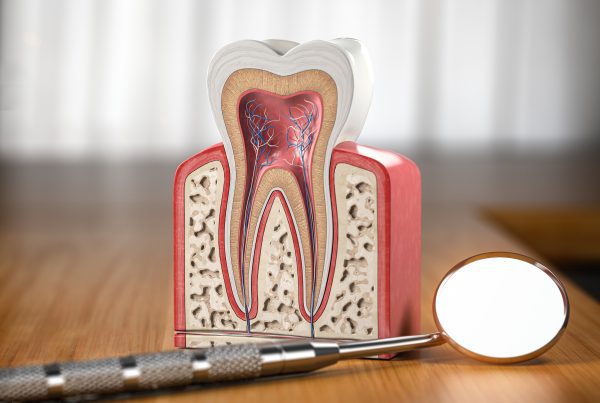
The further back in your mouth, the more canals a tooth has and the harder it is to access — both of which increase cost. Front teeth have a single canal and are the most straightforward. Molars have 3–4 canals and require the most time and precision, making them the most expensive to treat.
2. Emergency vs. Scheduled Treatment
Emergency same-day treatment may carry a higher fee due to urgent scheduling. However, delaying a root canal almost always leads to greater complexity and expense — spreading infection, abscess formation, or tooth loss. Treating promptly is nearly always cheaper in the long run.
3. General Dentist vs. Endodontist
General dentists typically charge 20–30% less than endodontists (root canal specialists) for routine cases. At Best Dental in Richmond, our experienced general dentists perform most root canals in-house — saving you the specialist referral premium while delivering expert, precise care. Complex cases are referred when appropriate.
4. Severity of Infection
More advanced infections require more extensive cleaning, additional appointments, and sometimes antibiotics before treatment can begin. Early-stage infections treated promptly are simpler and less expensive. This is one of the strongest arguments for not delaying treatment.
5. Technology & Equipment Used
Digital X-rays provide more precise imaging and are included in treatment cost at Best Dental. Rotary instruments allow faster, more thorough canal cleaning and are standard in our practice. Microscope-assisted treatment (for complex cases) improves visualization of narrow canals and may add a modest fee.
Does Insurance Cover Root Canals?
Yes — root canal therapy is classified as a major restorative procedure and typically receives strong coverage because it's medically necessary.
Typical Coverage Rates
Most dental PPO plans cover 50–80% of root canal costs. The procedure, crown, build-up/post, and emergency exam each have their own coverage tier. Annual maximums of $1,000–$2,000 may cap total coverage when combining multiple procedures in one year.
Waiting Periods & Pre-Authorization
Some plans require 6–12 months enrollment before covering major procedures. Most insurers also require pre-authorization — your provider submits a treatment plan for approval before treatment begins. Best Dental handles all authorization paperwork on your behalf.
Splitting Treatment Across Years
If you're approaching your annual benefit maximum, consider doing the root canal this calendar year and the crown in January — using two separate years of benefits. This strategy can save $500–$1,000 for patients with $1,500–$2,000 annual maximums.
Real-World Insurance Examples
Front Tooth · Good Insurance (80%)
Molar + Crown · Moderate Insurance (50%)
At Annual Benefit Maximum
Flexible Payment Options
Don't delay necessary treatment because of cost. Best Dental offers multiple solutions to make root canal care accessible to every budget.
Root Canal vs. Extraction & Replacement
Extraction seems cheaper — but the long-term math almost always favors saving your natural tooth.
| Treatment Option | Immediate Cost | Long-Term Cost | Total Cost |
|---|---|---|---|
| Root Canal + Crown | $2,000 – $3,500 | $0 — saves natural tooth | $2,000 – $3,500 |
| Extraction + Dental Bridge | $200 – $500 | $2,500 – $6,000 | $2,700 – $6,500 |
| Extraction + Dental Implant | $200 – $500 | $3,000 – $6,000 | $3,200 – $6,500 |
| Extraction Only (no replacement) | $200 – $500 | $5,000+ (bone loss, shifting teeth, jaw problems) | $5,200+ |
How to Save Money on Root Canal Treatment
Six strategies to reduce your out-of-pocket cost.
⚠️ Delaying Treatment Costs More
Waiting when you need a root canal leads to tooth loss (extraction + replacement: $3,000–$6,500), abscess formation requiring surgery ($900–$1,500), spread of infection to jaw or sinuses, and more complex — and expensive — treatment overall. Early action is always cheaper.
Don't Delay
Early-stage infections are simpler and less expensive to treat. Every week of delay increases complexity, cost, and risk of losing the tooth entirely.
Maximize Insurance Timing
If near your annual maximum, consider doing the root canal now and the crown in January — splitting across two benefit years saves $500–$1,000.
Use Pre-Tax Dollars
HSA and FSA accounts let you pay with pre-tax earnings, effectively reducing your cost by 20–30% depending on your tax bracket.
Choose a General Dentist
General dentists charge 20–30% less than endodontists for routine root canals. Best Dental handles most cases in-house without specialist referral fees.
Use 0% Financing
CareCredit promotional periods and in-house plans let you spread the cost over 12–24 months interest-free, making even complex treatments very manageable monthly.
Ask About Package Pricing
Some offices offer bundled pricing for root canal + crown that saves 10–15% compared to booking each procedure separately. Ask at your appointment.
Is Root Canal Treatment Worth the Cost?
The financial and health case for saving your natural tooth is compelling.
Consider a molar root canal + crown recommended at $2,500 after insurance. If you skip treatment: extraction ($300) + implant ($3,500) + possible bone grafting ($500) + emergency visits ($400) = $4,700+. Treating promptly saves over $2,000 — before accounting for lost wages from pain or the irreplaceable function of your natural tooth.
Ends Severe Pain
Root canals eliminate the source of the infection — and the excruciating toothache — permanently.
Saves Your Natural Tooth
Nothing functions like your real tooth — not implants, bridges, or dentures. Saving it preserves bite, bone, and surrounding teeth.
Preserves Jawbone
Natural teeth prevent the bone deterioration that follows extraction. Implants help but don't fully replicate root stimulation.
Prevents Infection Spread
Untreated tooth infections can spread to sinuses, jaw, or bloodstream — creating a medical emergency far more costly to treat.
Frequently Asked Questions
The most common questions Richmond, TX patients ask about root canal costs.
Key Takeaways — Root Canal Costs
Get Affordable Root Canal Treatment Today
Don't suffer with tooth pain or risk losing your tooth over cost. Best Dental offers expert root canal therapy with transparent pricing, insurance maximization, and flexible payment options. Same-day emergency appointments available. Serving Richmond, Sugar Land, and Fort Bend County.