Change chipped, gapped, stained, or uneven teeth in a single visit. Dr. Jasmine Naderi uses tooth-colored composite resin for beautiful, natural-looking results. $450 per tooth. Flat-rate pricing.
For chipped, uneven, or stained teeth. Best Dental is Richmond's cosmetic bonding provider.
Dental bonding is a cosmetic dental treatment that uses tooth-colored composite resin to repair, reshape, or improve the look of teeth. The same composite material used for tooth-colored fillings is carefully applied to your tooth. Sculpted into the desired shape. Hardened with a special curing light. And polished to blend with your natural teeth.
At Best Dental in Richmond, TX, Dr. Jasmine Naderi focuses on cosmetic bonding for patients seeking affordable smile improvements. The procedure is gentle. Usually no numbing is needed. No shots. And no removal of healthy tooth structure. You walk in with imperfections. And walk out the same day with a beautiful smile.
Unlike porcelain smile veneers or crowns that need lab fabrication and multiple appointments, bonding is done chairside in 30 to 60 minutes per tooth. It is the perfect option for patients who want noticeable cosmetic improvement without big time, discomfort, or financial investment.
Composite resin does NOT change color with whitening treatment. Only your natural enamel lightens. If you want whiter teeth AND bonding, always whiten first. So Dr. Naderi can match the bonding to your new brighter shade. Whitening after bonding will leave a color mismatch.
What Dental Bonding Actually Looks Like
The change is often bigger than patients expect. And the result still looks natural. Here is what a typical dental bonding case looks like before and after treatment at Best Dental.
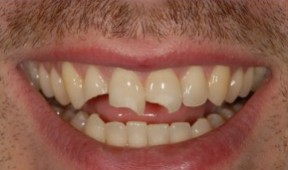
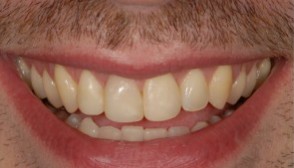
Results vary by patient. Dr. Naderi shows you shade options and expected shape before she starts sculpting.
Bonding is one of dentistry's most versatile tools. Fixing a wide range of cosmetic and functional concerns in a single appointment.
Repair broken edges or corners that affect your smile. Bonding rebuilds the missing portion to blend in. Restoring both appearance and function.
Close small spaces between front teeth for a more even look. Without braces or orthodontic treatment.
Cover internal stains that professional whitening cannot touch. Including fluorosis, tetracycline staining, and dark spots.
Reshape teeth that are too short, too pointy, or oddly shaped. Bonding adds material to create symmetry and a balanced smile line.
Restore length to teeth shortened by grinding or wear over time. Bringing back a youthful, full smile look.
Protect and cover sensitive roots exposed by gum recession. Reducing sensitivity while improving the look of the gum line.
Why cosmetic bonding at Best Dental is the smart choice for minor to moderate smile improvements.
Done in a single appointment. 30 to 60 minutes per tooth. No temporary restorations. No waiting for lab work. No second visit.
At $450 per tooth vs $999 to $2,500 for veneers, bonding delivers cosmetic improvement at a fraction of the cost.
No drilling or removal of healthy enamel in most cases. Usually no numbing needed. One of dentistry's most comfortable procedures.
Composite resin is color-matched and sculpted to blend with your teeth. When done by Dr. Naderi, bonding is nearly undetectable.
Unlike veneers that permanently change teeth, bonding can be removed and replaced without damaging your natural tooth structure.
If bonding chips or stains, it is easily repaired in a single visit. No need to replace the entire restoration like with veneers or crowns.
From your first visit to your finished smile. Here is exactly what happens during a bonding appointment at Best Dental in Richmond, TX.
Dr. Naderi checks your teeth and talks through your cosmetic goals. She picks a composite resin shade that matches your natural tooth color for a smooth result.
The tooth surface is gently etched with a mild conditioning solution. This creates tiny grooves that help the bonding stick. Painless. No drilling or removal of tooth structure needed unless treating decay.
Dr. Naderi applies putty-like composite resin and sculpts it into the desired shape. Her artistic approach creates natural-looking results that fit your face.
A special dental curing light hardens the composite. Multiple layers may be applied and cured one by one to achieve proper thickness and strength.
Once hardened, Dr. Naderi shapes and polishes the bonding to match the shine of your natural teeth. Checks your bite. And makes any final tweaks. You leave with a smooth, natural-looking result.
How dental bonding compares to porcelain smile veneers and professional whitening. So you can make the right choice for your smile.
Choose bonding for affordable, same-day repair of chipped or uneven teeth. Choose porcelain smile veneers for a full, long-lasting transformation. Dr. Naderi will recommend the best option at your appointment.
Other Cosmetic Options Worth Knowing About
Many patients who come in asking about bonding end up combining it with other treatments. Or considering related options. Here are the most common pairings and alternatives:
Porcelain Veneers
For a full smile transformation, porcelain smile veneers at $999 per tooth are the stronger option. They last 10 to 15+ years and fix more issues at once than bonding.
Explore porcelain smile veneers →Composite Veneers
Same material as bonding. But used across the full front surface of many teeth. Same-day composite veneers at $450 per tooth are the scaled-up version of bonding.
See same-day composite veneers →Professional Whitening
Whiten your teeth first at $450 in-office or $250 take-home. Then bond to match. If staining is your main concern, whitening alone may get you where you want.
See in-office whitening treatment →Complete Smile Makeover
Bonding often plays a supporting role in bigger smile makeovers. Combined with whitening, veneers, or gum contouring for a full transformation.
Explore smile makeover treatment →Dental Lumineers
Ultra-thin porcelain veneers that need little to no prep. Often reversible. $999 per tooth. An option if bonding is not enough but you want something gentler than regular veneers.
Learn about Lumineers treatment →Gum Contouring
Bonded teeth look even better with a balanced gum line. Patients sometimes add laser gum reshaping at $250 per tooth. Both fit together in a single plan.
Learn about gumline reshaping →With the right habits, bonding lasts 3 to 7 years. And some patients get 10+. Here is how to protect your investment.
Good oral hygiene prevents decay around bonding. Bonding does not stop cavities from forming on the natural tooth.
Coffee, tea, red wine, and tobacco stain composite resin. Rinse with water after and limit long-term exposure.
Avoid ice, pens, fingernails, and hard foods on bonded teeth. These habits chip composite faster than natural enamel.
If you grind your teeth, a custom nightguard protects bonding from fast wear. Ask Dr. Naderi about options.
Every 6-month visit lets Dr. Naderi polish bonding and catch any chips or separation before they become problems.
If bonding chips, schedule a repair quickly. Small fixes prevent bigger issues and keep the margin sealed against decay.
The two biggest threats are staining and chipping. Patients who avoid hard foods, limit staining drinks, and wear a nightguard regularly get 7 to 10 years from their bonding. Well above the average. When replacement is eventually needed, it is the same quick, comfortable process as the original application.
Dental bonding is one of the most affordable cosmetic procedures available. And functional bonding may be partially covered by insurance.
Affordable Dental Bonding Near You in Richmond, TX
For patients searching for affordable dental bonding nearby, Best Dental is one of Fort Bend County's most transparent options. Dental bonding is $450 per tooth. Flat-rate pricing. One of the most competitive published rates in Richmond. Most other Richmond offices either do not publish pricing or quote a range of $200 to $800 per tooth without transparency. CareCredit and Cherry 0% financing make the investment work for most budgets. And our in-house Dental Discount Plan lowers costs further for uninsured patients. Best Dental serves patients across the southwest Houston area. Sugar Land. Katy. Missouri City. Stafford. Rosenberg. Fulshear. All from the Richmond location at 22377 Bellaire Blvd.
Affordability at Best Dental is not about cutting corners on care. Dr. Jasmine Naderi uses the same high-quality composite resins used at top cosmetic practices. The value comes from in-house treatment, transparent pricing with no hidden fees, and multi-tooth discounts when bonding several teeth in one appointment. Every case begins with a detailed written cost estimate before treatment starts. No surprise fees. No pressure.
$450 Per Tooth
Flat-rate pricing. Written estimate before treatment. No hidden fees or surprises.
Same-Day Results
Done in 30 to 60 minutes per tooth. No lab work. No second visit. Leave with your fix done.
CareCredit Financing
0% interest financing options. Low monthly payments with fast approval.
Multi-Tooth Discounts
Bonding multiple teeth at once? Ask about combined-visit discounts. More teeth means more savings.
Zip Codes We Serve
Best Dental is at 22377 Bellaire Blvd, Suite 400 in Richmond, TX. Right off Grand Parkway (TX-99). We see dental bonding patients from across Fort Bend County and southwest Houston. Here are the zip codes we regularly serve:
Located at 22377 Bellaire Blvd, Suite 400. Right off Grand Parkway (TX-99). Patients from outside these zip codes are welcome too. Call us at (281) 215-3065 or book online.
Stop hiding a chipped, gapped, or uneven smile. Dr. Jasmine Naderi at Best Dental in Richmond, TX delivers beautiful, natural-looking bonding results in a single appointment. No drilling. No discomfort. No waiting. Call or book online today.