How Much Do Dental Implants Cost?
Complete pricing breakdown — from single tooth to full arch — plus insurance coverage and financing options explained clearly.
Dental Implant Cost Overview
A single dental implant runs $3,000–$6,000 nationally. At Best Dental in Richmond, TX, complete implants start at $1,995 — post, abutment, and crown included.
"Dental implants have become the standard of care for tooth replacement. When properly planned and placed, they provide functional and esthetic outcomes that no other restoration can fully replicate — and their long-term cost-effectiveness is well-supported by clinical evidence."— American Dental Association — Dental Implants Overview
Complete Cost Breakdown
Implant pricing is built from several components. Understanding each one helps you compare quotes accurately and know exactly what you're paying for.
| Component | What It Is | Typical Cost Range | Notes |
|---|---|---|---|
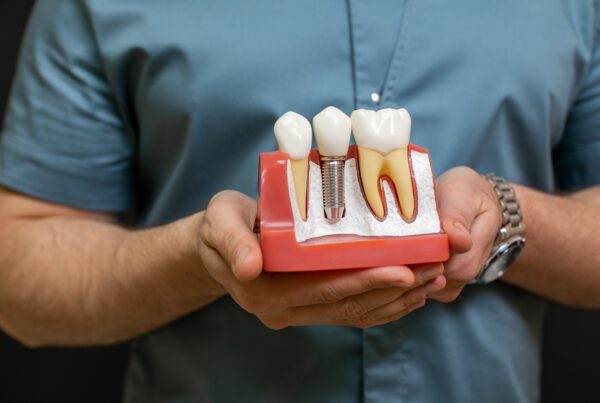
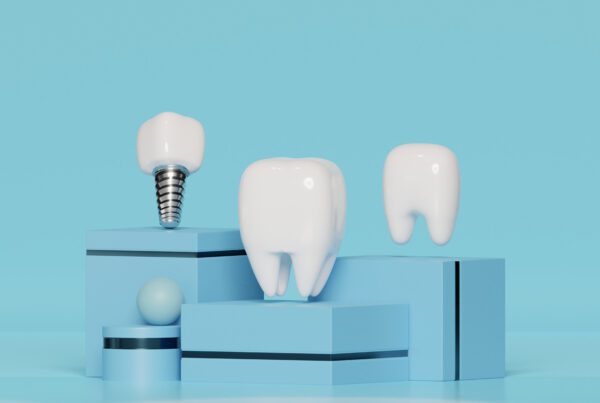
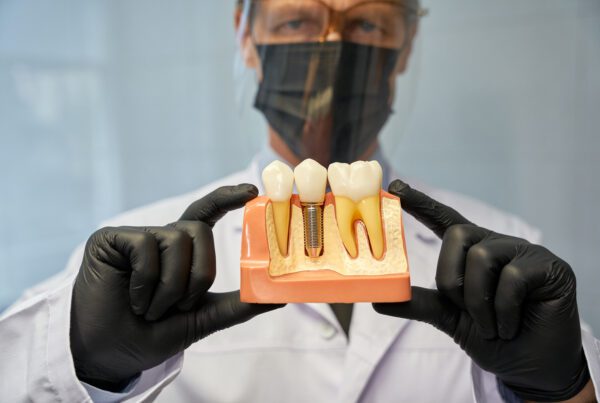
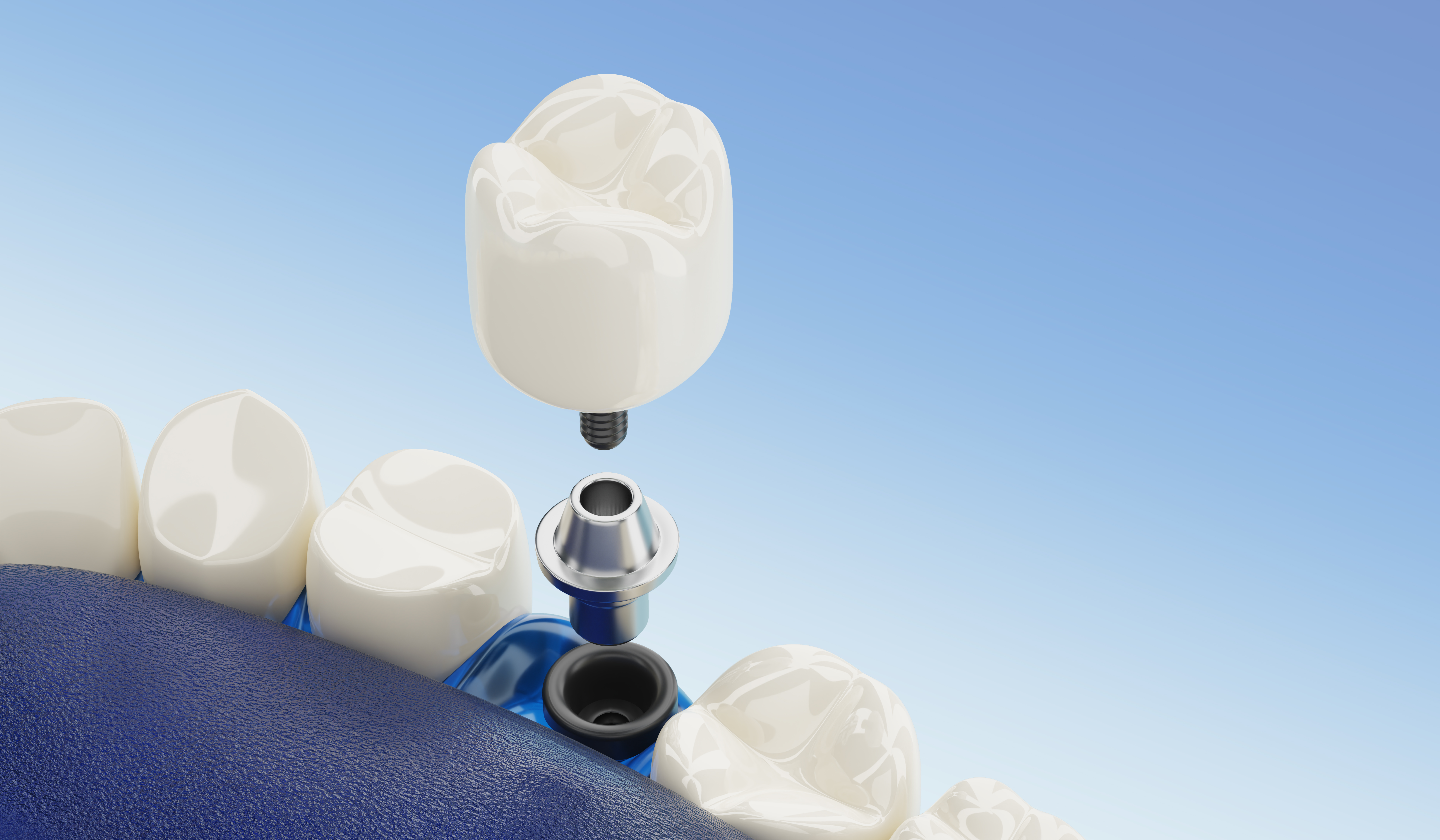
| Titanium Implant Post | Surgically placed into jawbone — acts as artificial root | $1,500–$2,500 | Core of the procedure; zirconia posts cost ~15% more |
| Abutment | Connector between post and crown | $500–$1,000 | Custom-fitted to the implant angle |
| Porcelain Crown | Visible tooth restoration — matched to natural teeth | $1,000–$3,000 | Often partially covered by dental insurance |
| CT Scan / 3D Imaging | Cone-beam imaging for precise implant placement planning | $300–$600 | Often included in consult or treatment fee |
| Tooth Extraction | Removal of existing damaged tooth (if needed) | $200–$700 If needed | Simple $200–$300; surgical $400–$700 |
| Bone Grafting | Rebuilds jawbone volume lost after tooth removal | $300–$800/site If needed | Required when bone loss has occurred; avoidable if treated early |
| Sinus Lift | Adds bone to upper jaw near sinus (upper molars only) | $1,500–$3,000 If needed | Required for upper posterior implants in some patients |
| Temporary Crown | Provisional restoration during osseointegration healing phase | $300–$800 Optional | Not always required; depends on location |
Pricing by Procedure Type
From replacing a single tooth to restoring an entire arch — here's what each treatment type typically costs nationally and at Best Dental.
Single Tooth Implant
National avg: $3,000–$6,000 From $1,995 Best DentalImplant-Supported Bridge
Replaces 2–3 adjacent teeth $6,000–$15,000All-on-4 (Per Arch)
Full upper or lower arch $12,000–$25,000All-on-6 (Per Arch)
Enhanced stability — 6 implants $15,000–$30,000Full Mouth Reconstruction
Both upper and lower arches $24,000–$60,000Implant Crown Restoration
Crown only — existing post in place $1,000–$3,0006 Factors That Affect Your Cost
No two implant cases are identical. These variables determine where your final price lands within the ranges above.
1. Number of Implants
Each missing tooth typically requires its own implant, though bridges and All-on-4 systems reduce the per-tooth cost when multiple teeth are missing. Replacing five individual teeth costs far more than an All-on-4 that handles an entire arch with four implants — knowing which approach fits your situation is the first step in accurate budgeting.
2. Bone Volume & Grafting Requirements
When a tooth has been missing for a year or more, jawbone volume typically decreases at the extraction site. Insufficient bone requires a graft ($300–$800/site) before an implant can be placed. Upper back teeth near the sinus cavity may require a sinus lift ($1,500–$3,000). A 3D CT scan during your consultation reveals exactly whether grafting is needed — and acting on missing teeth sooner prevents these additional costs.
3. Implant Material
The vast majority of implants use titanium — proven over decades to be highly biocompatible and durable. Zirconia (metal-free) implants are available for patients with sensitivities or aesthetic preferences and typically cost 15–20% more. For most patients, titanium provides an outstanding long-term result at the most accessible price point.
4. Crown Material & Aesthetics
The visible crown makes up a meaningful portion of the total cost. Porcelain-fused-to-metal crowns are more economical; full zirconia or pressed ceramic crowns offer superior aesthetics and are typically recommended for front teeth. Your crown material choice affects both price and appearance — your dentist will recommend the right option for each tooth's location and function.
5. Tooth Location
Front teeth (anterior implants) require higher aesthetic precision and premium materials, often increasing cost. Upper back molar implants may require sinus lifts due to sinus proximity. Lower molars are typically the most straightforward cases. Location directly affects both the complexity of the procedure and the materials required for a natural result.
6. Provider Experience & Technology
Experienced implant dentists using 3D guided placement technology may charge a premium — but this investment reduces complication risk, improves precision, and protects your long-term outcome. Choosing a provider based on experience and technology rather than the lowest quote is one of the best financial decisions you can make for a procedure meant to last decades.
Insurance Coverage for Implants
Coverage has improved significantly in recent years. Most plans won't cover the post itself — but several components often are covered, and the savings add up.
What's Typically Covered
Most PPO plans cover related components even when excluding the post: the final crown (50%), bone grafting when medically justified (50–80%), any necessary extraction (50–80%), and diagnostic X-rays (80–100%). Newer employer plans increasingly include partial implant coverage — sometimes up to $1,500 per tooth. Always ask specifically about implant coverage, not just "major services."
Medical Insurance Crossover
If tooth loss resulted from an accident, injury, or a medical condition such as cancer treatment, your medical insurance may contribute to implant costs. Submit claims to both your dental and medical carriers when applicable. Best Dental's insurance coordinators review both policies as a standard part of treatment planning.
Maximizing Your Benefits
If your implant treatment spans two calendar years, you can access two separate annual benefit maximums — effectively doubling your insurance coverage. For example: bone grafting in December, implant placement in January. Planning treatment timing around your benefit year is one of the most impactful cost-saving strategies available.
Financing & Payment Options
With 0% interest financing, a $1,995 implant at Best Dental can be as low as $83/month — no credit check required.
Implants vs. Other Options — 20-Year Cost
The upfront cost is higher, but implants consistently win the long-term cost comparison — especially when factoring in replacements and bone loss complications.
| Replacement Option | Upfront Cost | Lifespan | Estimated 20-Year Total | Preserves Bone? |
|---|---|---|---|---|
| Dental Implant Best Long-Term Value | $1,995–$6,000 | 25+ years (often lifetime) | $3,000–$7,000 | ✓ Yes — stimulates bone |
| Dental Bridge | $2,000–$5,000 | 10–15 years | $6,000–$15,000 | ✗ No — bone loss continues |
| Partial Denture | $1,500–$3,000 | 5–8 years | $6,000–$12,000 | ✗ No — bone loss continues |
| Full Denture | $1,800–$4,000 | 5–8 years | $7,200–$16,000 | ✗ Accelerates bone loss |
| No Replacement | $0 | N/A | $5,000–$20,000+ in future complications | ✗ Severe progressive bone loss |
7 Ways to Reduce Your Implant Cost
Legitimate strategies that can save you hundreds — sometimes thousands — without compromising the quality of your care.
Act Early on Missing Teeth
Bone loss after extraction requires grafting ($300–$800/site) that's entirely avoidable with timely treatment. Every month you wait increases the likelihood of needing additional procedures before an implant can be placed.
Split Treatment Across Calendar Years
Schedule preparatory work (extraction, bone graft) in December and implant placement in January to access two benefit year maximums. This strategy alone can add $1,500–$3,000 in covered costs.
Use HSA or FSA Pre-Tax Funds
Paying from a Health Savings or Flexible Spending Account reduces your real out-of-pocket cost by 20–30% depending on your tax bracket. Max contributions before year-end when implant treatment is planned.
Choose an Implant Bridge Over 3 Singles
If you're missing two or three adjacent teeth, two implants supporting a bridge costs significantly less than three individual implants and delivers comparable function and aesthetics.
Verify Dental AND Medical Insurance
If tooth loss resulted from an accident or medical treatment, your medical plan may contribute. Best Dental reviews both policies — a step many practices skip that can add meaningful coverage.
Use 0% Financing — Avoid High-APR Loans
In-house 0% plans are always preferable to third-party loans that charge 10–26% APR after promotional periods expire. Always read the fine print and prefer no-interest options when available.
Ask About Package Pricing
Practices handling multiple implants often offer bundled pricing that saves 10–20% versus individual procedure billing. If you need more than one implant, always ask for a multi-implant or full-arch quote.
Why Implants Are Worth the Investment
No other tooth replacement option delivers on all four of these dimensions simultaneously.
Feels & Functions Like a Natural Tooth
The only replacement that integrates with your jawbone — bite, chew, and speak exactly as you would with your original tooth.
Preserves Jawbone
The titanium post mimics a natural root, stimulating bone and preventing the deterioration that follows every other form of tooth loss or no replacement at all.
Lowest Lifetime Cost
Implants typically last 25+ years. Bridges and dentures need replacement every 5–15 years. Over time, the implant almost always comes out cheaper.
Protects Adjacent Teeth
Traditional bridges require grinding down neighboring healthy teeth as anchors. Implants are entirely self-supporting — your surrounding teeth stay untouched.
Questions to Ask Before You Commit
Get clear answers to these before signing any treatment plan.
- What is the total all-inclusive cost — including any grafting, extractions, imaging, and the final crown?
- Which components are covered by my insurance, and what will my actual out-of-pocket amount be?
- What type of implant post and crown material will you use, and why?
- What is your personal experience placing implants, and what is your practice's success rate?
- Do you use 3D CT imaging and computer-guided placement, or freehand surgical technique?
- What happens if the implant fails — is there a warranty or fee arrangement for replacement?
- What financing options are available, and are any truly interest-free (not deferred-interest)?
- Can you show me before-and-after cases of patients with similar anatomy and needs?
Your Implant Specialist at Best Dental
Dr. Sonny Naderi — Fellowship-Trained Implant Dentist
Dr. Sonny Naderi brings over 20 years of surgical experience and more than 25,000 procedures to every implant case. Fellowship-trained in oral surgery, Dr. Naderi specializes in 3D-guided implant placement, bone grafting, and complex full-arch restoration. His commitment to transparent, accessible pricing is what drives Best Dental's $1,995 starting price — premium materials and technology without the premium markup.
Learn More About Dr. Sonny Naderi →Frequently Asked Questions
The most common questions patients ask when researching dental implant costs.
Key Takeaways — Dental Implant Costs
Related Resources
Explore more detailed guides on implants and affordability at Best Dental.
Get Your Personalized Implant Quote
Every case is unique — bone volume, number of teeth, insurance coverage, and material choices all affect your final cost. Schedule a consultation at Best Dental in Richmond, TX for a transparent, all-inclusive quote with no pressure and no surprises.