Cracked Molar Repair in Richmond, TX
Expert emergency dental care for cracked and broken molars. Same-day appointments available. Don't let a cracked tooth become a dental emergency—get professional treatment today at Best Dental.
Schedule Emergency AppointmentWhat Is a Cracked Molar?

A cracked molar is damage to one of your back teeth where the hard outer enamel has developed a fracture or break. Molars are your largest teeth located in the back of your mouth, designed to grind and chew food. Because they endure tremendous pressure during chewing—up to 200 pounds per square inch—molars are particularly susceptible to cracking.
Cracked molars can range from tiny hairline fractures barely visible to the naked eye to severe splits that extend deep into the tooth's root. Unlike simple chips that only affect the surface, cracks can penetrate through multiple layers of the tooth structure, potentially reaching the sensitive pulp chamber where nerves and blood vessels reside.
The challenge with cracked molars is that they're often difficult to detect in early stages. You might not see visible damage when you look in mirror, yet you experience pain when chewing or sensitivity to hot and cold temperatures. This is why professional dental examination is crucial when you suspect a cracked tooth.
Left untreated, a cracked molar won't heal on its own. Unlike bones, teeth cannot regenerate or repair themselves. Without proper treatment, the crack will typically worsen over time, potentially leading to tooth loss, infection, or the need for more extensive and expensive dental procedures.
Common Causes of Cracked Molars
Understanding what causes molars to crack can help you prevent future damage. Here are the most common culprits:
Primary Causes of Molar Cracks
- Biting Hard Foods: Chewing ice, hard candy, popcorn kernels, nuts, or bones can create sudden force that cracks teeth
- Large Fillings: Extensive dental fillings weaken tooth structure, making molars more prone to cracking over time
- Teeth Grinding (Bruxism): Chronic grinding and clenching, especially during sleep, creates constant pressure that eventually fractures teeth
- Dental Trauma: Sports injuries, car accidents, falls, or blows to face can crack or break molars
- Temperature Extremes: Rapid temperature changes (like drinking hot coffee then ice water) cause teeth to expand and contract, creating stress fractures
- Age-Related Wear: Teeth naturally become more brittle with age, making molars in people over 50 more susceptible to cracks
- Previous Root Canal: Teeth that have had root canal therapy are more fragile and crack more easily
- Uneven Chewing Pressure: Misaligned bite or missing teeth can place excessive force on certain molars
Risk Factors That Increase Vulnerability
Certain factors make you more likely to experience cracked molars. These include having large amalgam fillings from years ago, grinding your teeth at night, playing contact sports without a mouthguard, or having habit of chewing on hard objects like pens or ice. If you have weakened enamel from acid erosion or frequently experience sudden temperature changes in your mouth, you're also at higher risk.
Signs and Symptoms of a Cracked Molar
Cracked molars don't always cause immediate obvious pain, which is why they can go undetected for weeks or months. However, most people experience one or more of these telltale symptoms:
Common Warning Signs
- Pain When Chewing: Sharp, sudden pain when biting down or releasing bite pressure—this is most distinctive symptom of cracked tooth
- Temperature Sensitivity: Intense, lingering sensitivity to hot or cold foods and beverages
- Sweet Sensitivity: Discomfort when eating sugary foods as sugar penetrates crack and irritates inner tooth
- Intermittent Pain: Pain that comes and goes rather than constant ache, making it difficult to pinpoint
- Pain in Specific Spot: Ability to identify exact tooth or area that hurts when you bite certain way
- Swollen Gums: Gum tissue around cracked tooth may become inflamed or tender
- Visible Crack Line: In some cases, you might see thin line running across tooth surface
Why Symptoms Are Often Inconsistent
The pain from cracked molar is typically inconsistent because crack opens and closes as you chew. When you bite down, the crack spreads slightly, irritating the pulp inside tooth. When you release pressure, crack closes, and pain often disappears. This on-and-off pattern is hallmark of cracked tooth and distinguishes it from cavity or other dental problems.
When to Seek Immediate Care
If you experience severe, constant pain, visible swelling, fever, or can see obvious break in tooth, seek emergency dental care immediately. These symptoms suggest crack has reached tooth's pulp or infection has developed, both requiring urgent professional treatment.
Types of Cracked Molars
Not all cracks are created equal. Dentists classify molar cracks into several categories based on location, depth, and severity. Understanding type of crack helps determine appropriate treatment:
Craze Lines
Description: Tiny, superficial cracks in outer enamel that don't penetrate deeper tooth structures. These are extremely common in adult teeth and are usually just cosmetic issue.
Symptoms: No pain or sensitivity. Only visible under magnification or bright light.
Treatment: Usually no treatment needed. Can be polished for cosmetic improvement if desired.
Fractured Cusp
Description: Break occurs around dental filling where tooth structure is weakened. The pointed part of chewing surface (cusp) breaks off.
Symptoms: Mild pain when chewing, rough edge you can feel with tongue, increased sensitivity.
Treatment: Dental crown typically covers and protects remaining tooth structure.
Cracked Tooth
Description: Vertical crack extends from chewing surface toward root but hasn't separated tooth into pieces yet. This is most common type requiring treatment.
Symptoms: Pain when chewing, temperature sensitivity, intermittent discomfort.
Treatment: Dental crown to hold tooth together. If crack reaches pulp, root canal may be needed first.
Split Tooth
Description: Untreated cracked tooth that has progressed until tooth actually separates into distinct segments.
Symptoms: Severe pain, visible separation, inability to bite down normally.
Treatment: Tooth cannot usually be saved intact. May require extraction or endodontic surgery to save portion of tooth.
Vertical Root Fracture
Description: Crack begins in root and extends toward chewing surface. Often occurs in teeth that have had root canal treatment.
Symptoms: Minimal initial symptoms. May develop infection or gum swelling near root tip.
Treatment: Often requires extraction unless crack is in location where endodontic surgery can remove affected root portion.
Treatment Options for Cracked Molars
The appropriate treatment for your cracked molar depends on type, location, and severity of crack. At Best Dental in Richmond, TX, we offer comprehensive solutions to repair cracked molars and restore your oral health:
Dental Crowns
Best for: Most cracked molars
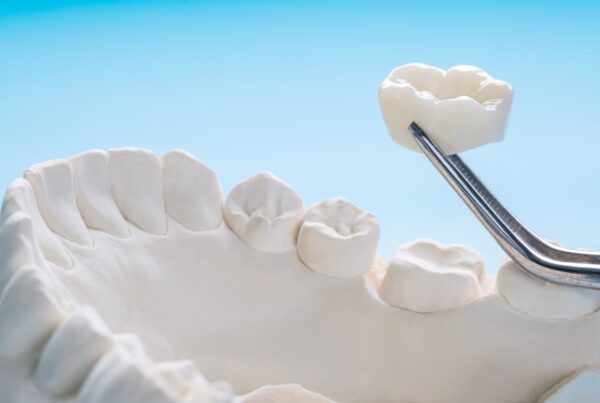
A dental crown is most common and effective treatment for cracked molars. Crown covers entire tooth, holding it together and preventing crack from spreading. Made from durable materials like porcelain or ceramic, crowns restore full function and appearance while protecting tooth for 10-15+ years.
Dental Bonding
Best for: Minor cracks and chips
For small cracks that don't extend deep into tooth, bonding uses tooth-colored composite resin to seal crack and restore appearance. This conservative treatment can often be completed in single visit and is more affordable than crown.
Root Canal Therapy
Best for: Cracks reaching pulp
When crack extends into tooth's pulp chamber, root canal becomes necessary to remove infected or damaged nerve tissue. After root canal, tooth is typically restored with crown to provide strength and protection.
Tooth Extraction
Best for: Severely damaged teeth
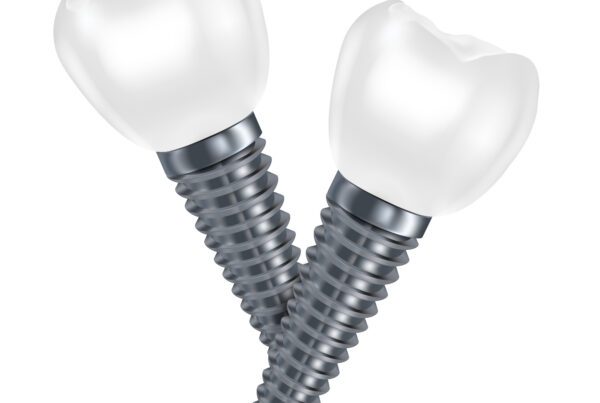
When crack is too severe or extends below gum line into root, tooth may need to be extracted. We'll discuss replacement options like dental implants or bridges to restore your smile.
Veneers or Onlays
Best for: Visible cracks on front-facing molars
For cracks on molars visible when you smile, porcelain veneers or onlays provide both functional repair and aesthetic improvement, creating natural-looking results.
No Treatment (Monitor)
Best for: Craze lines only
Superficial craze lines that cause no symptoms typically don't require treatment. We'll monitor them during regular dental cleanings to ensure they don't progress.
The Treatment Process
When you visit Best Dental for cracked molar, we begin with thorough examination including digital X-rays to assess extent of damage. Dr. Jasmine Naderi or Dr. Sonny Naderi will explain your treatment options, discuss costs, and create customized plan. Most treatments can be completed in one to two appointments, depending on complexity.
We understand dental emergencies are stressful. That's why we offer same-day appointments for cracked teeth and work with your schedule to provide prompt, effective care. Our goal is to save your natural tooth whenever possible while ensuring you're comfortable throughout entire process.
Preventing Cracked Molars
While not all cracked molars can be prevented, you can significantly reduce your risk with these protective strategies:
Prevention Tips
- Avoid Hard Foods: Don't chew ice, hard candy, popcorn kernels, or bones. Cut hard foods into smaller pieces
- Wear a Night Guard: If you grind your teeth during sleep, custom night guard protects molars from excessive pressure
- Use Sports Mouthguard: Protect teeth during contact sports, skateboarding, or any activity with risk of facial injury
- Don't Use Teeth as Tools: Never open packages, tear tape, or crack nuts with your teeth
- Maintain Regular Dental Visits: Professional cleanings and exams catch small problems before they become cracks
- Address Large Fillings: Ask your dentist if old, large fillings should be reinforced with crowns
- Treat Cavities Promptly: Untreated decay weakens tooth structure and increases crack risk
- Stay Hydrated: Dry mouth reduces saliva's protective effects and makes teeth more vulnerable
Special Considerations for Teeth Grinders
If you have habit of grinding or clenching teeth (bruxism), you're at significantly higher risk for cracked molars. Many people grind their teeth at night without realizing it. Signs include morning jaw pain, headaches, worn tooth surfaces, or partner telling you they hear grinding. A custom-fitted night guard from Best Dental can protect your molars while you sleep, preventing damage before it occurs.
Emergency Care for Cracked Molars
If you suspect you've cracked molar, taking immediate action can make difference between saving and losing tooth. Here's what to do:
Immediate Steps to Take
- Call Best Dental Immediately: Contact us at (281) 215-3065 for same-day emergency appointment. Don't wait for pain to worsen
- Rinse Your Mouth: Use warm water to gently clean area around affected tooth
- Apply Cold Compress: Place ice pack on outside of cheek to reduce swelling and numb pain
- Take Pain Reliever: Over-the-counter pain medication can help manage discomfort until your appointment
- Avoid Chewing on That Side: Don't put pressure on cracked tooth, which could worsen damage
- Avoid Temperature Extremes: Skip hot coffee and ice cream until tooth is repaired
- Cover Sharp Edges: If crack created sharp edge cutting your tongue or cheek, cover it with dental wax or sugar-free gum
What NOT to Do
Don't attempt to super glue or repair crack yourself. Avoid eating hard, sticky, or chewy foods. Don't apply aspirin directly to tooth or gums (it can burn tissue). And don't delay seeking professional care hoping problem will resolve on its own—it won't.
Same-Day Emergency Appointments
Best Dental understands dental emergencies can't wait. We reserve appointment slots each day for urgent cases like cracked molars. When you call with dental emergency, we'll get you in as quickly as possible—often the same day. Our experienced team will assess damage, relieve your pain, and provide treatment needed to save your tooth.
Cracked Molar Repair at Best Dental Richmond, TX
At Best Dental, we specialize in saving cracked molars and restoring your oral health. Dr. Jasmine Naderi and Dr. Sonny Naderi bring over 35 years of combined experience to every case, using advanced techniques and technology to provide best possible outcomes.
Why Choose Best Dental?
We offer same-day emergency appointments for cracked teeth, comprehensive treatment options all under one roof, and advanced diagnostic technology to accurately assess damage. Our practice accepts most dental insurance plans and offers flexible financing options to make treatment affordable.
Advanced Technology for Accurate Diagnosis
Detecting and assessing cracked molars requires sophisticated equipment. We use digital X-rays, intraoral cameras, and special fiber-optic lights to identify cracks that might be invisible to naked eye. This technology allows us to determine exact extent of damage and recommend most conservative treatment that will successfully repair your tooth.
Comfortable, Compassionate Care
We know dental emergencies are stressful and painful. Our team takes time to explain your treatment options, answer your questions, and ensure you're comfortable throughout procedure. If you experience dental anxiety, we offer sedation options to make your experience as relaxed as possible.
Long-Term Success
Our goal isn't just to fix immediate problem—it's to provide lasting solution that preserves your natural tooth for years to come. We'll also work with you to address underlying causes of crack, whether that's grinding habit, bite issues, or other factors, to prevent future damage.
What to Expect at Your Appointment
- Thorough examination of cracked tooth and surrounding structures
- Digital X-rays to assess extent of damage
- Discussion of all treatment options with clear cost estimates
- Same-visit treatment when possible for immediate relief
- Follow-up care to ensure proper healing
- Preventive recommendations to protect your other teeth
Don't let cracked molar compromise your oral health or quality of life. Call Best Dental at (281) 215-3065 to schedule emergency appointment today. We're here to help Richmond residents get prompt, professional care when they need it most.
📋 Key Takeaways About Cracked Molar Repair
- Cracked molars won't heal on their own—professional treatment is necessary
- Common causes include hard foods, teeth grinding, large fillings, and trauma
- Pain when chewing and temperature sensitivity are hallmark symptoms
- Treatment options range from dental crowns to root canals depending on severity
- Early treatment prevents crack from worsening and saves tooth
- Same-day emergency appointments available at Best Dental
- Prevention includes avoiding hard foods, wearing night guard, and regular dental visits
- Most cracked molars can be successfully repaired with proper treatment
- Delaying treatment risks tooth loss and more expensive procedures
- Advanced technology and experienced dentists improve treatment outcomes
Get Expert Cracked Molar Repair Today
Don't suffer with cracked tooth pain or risk losing your molar. Best Dental in Richmond, TX provides same-day emergency appointments for cracked teeth. Our experienced team will assess damage, relieve your pain, and restore your tooth with advanced treatment options. Most insurance plans accepted, and financing available. Call (281) 215-3065 now or schedule your emergency appointment online!
Schedule Emergency Visit