
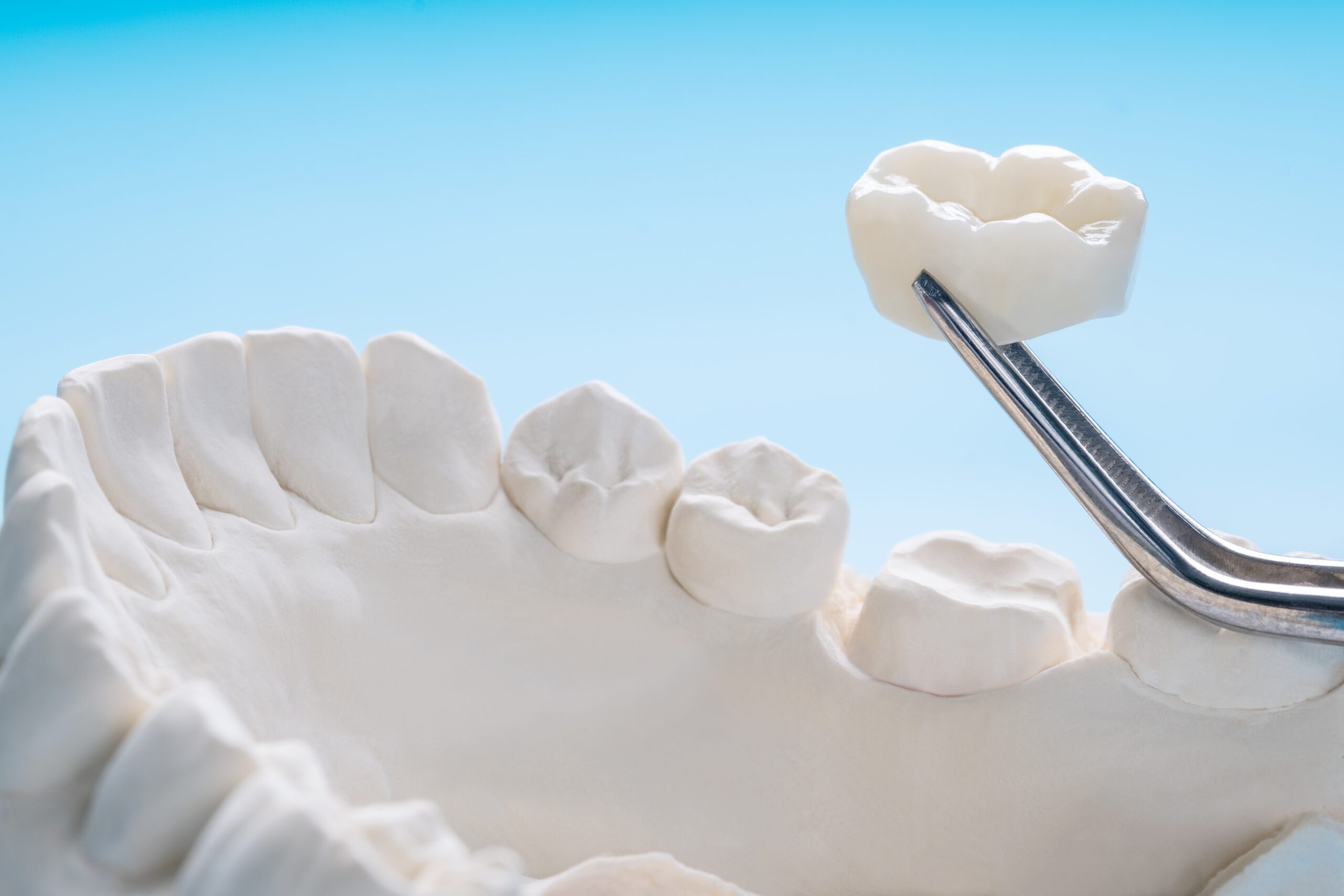
How Much Does a Dental Crown Cost in Richmond, TX?
Complete dental crown price guide for Richmond, TX. Transparent pricing by material type — porcelain, zirconia, gold, and more. Understand your insurance coverage and explore flexible payment options. Lasting tooth restoration at Best Dental.
Schedule Crown ConsultationDental Crown Cost Breakdown
Dental crown costs in Richmond, TX vary primarily based on the material selected and the complexity of the case. Here is what patients typically pay:
Average Dental Crown Costs in Richmond, TX
Best Dental Competitive Pricing
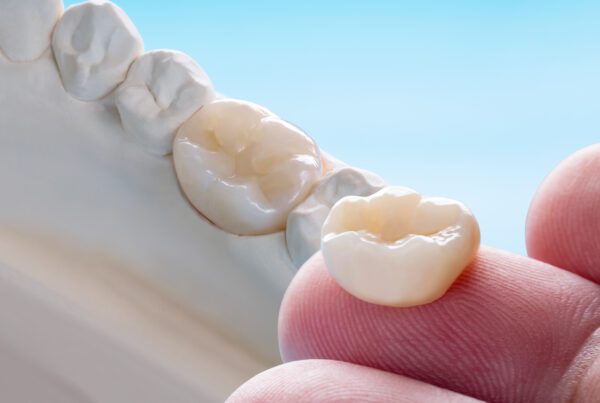
Dental crowns at Best Dental include preparation, impressions or digital scanning, temporary crown, and final permanent crown placement — all in the quoted price.
Porcelain-Fused-to-Metal (PFM) Crown
A metal substructure coated with tooth-colored porcelain. Durable and cost-effective, though a thin dark line may become visible at the gumline over time.
All-Ceramic / All-Porcelain Crown
No metal underneath — entirely tooth-colored material. Best aesthetic option for front teeth. Slightly less durable than zirconia for back teeth.
Zirconia Crown
The strongest tooth-colored crown material available. Excellent for both front and back teeth. Resists chipping and cracking better than other ceramic options.
Gold / Metal Alloy Crown
The most durable crown material with decades of proven performance. Ideal for back molars. Gold crowns require the least tooth removal and rarely chip or fracture.
Same-Day CEREC Crown
Milled in-office from a digital scan in a single appointment. No temporary crown needed. Convenient for patients who prefer to complete treatment in one visit.
Important Note: Crown fees are quoted per tooth. Additional procedures that may affect the total cost include a core build-up ($200–$500) if the tooth structure is insufficient to support a crown, or a post and core ($300–$700) if the tooth has had a root canal. These will be identified and discussed during your examination.
Dental Crown Materials Compared
The material you choose for your dental crown affects its appearance, durability, and cost. Here is a detailed look at each option to help you make an informed decision:
Zirconia Crowns
Zirconia has become the most popular crown material in modern dentistry, and for good reason. It is incredibly strong — resistant to chipping and cracking even under heavy biting forces — and can be shaded to match your natural teeth closely. Zirconia works well in both the front and back of the mouth, making it a versatile choice for patients who want excellent aesthetics without sacrificing durability. It is our most frequently recommended material at Best Dental.
All-Ceramic / All-Porcelain Crowns
All-ceramic crowns offer the most lifelike appearance of any crown material. They transmit light similarly to natural enamel, which makes them virtually indistinguishable from your surrounding teeth. They are best suited for front teeth where aesthetics are the top priority. All-ceramic crowns are slightly less resistant to fracture than zirconia under heavy chewing loads, so they are less commonly placed on back molars.
Porcelain-Fused-to-Metal (PFM) Crowns
PFM crowns have been the workhorse of restorative dentistry for decades. A strong metal coping provides structural support while a porcelain outer layer provides a tooth-colored appearance. They are durable and well-covered by most insurance plans. However, the underlying metal can create a dark shadow near the gumline over time, and porcelain can chip away from the metal in some cases. PFM crowns remain a solid, economical choice — particularly for back teeth.
Gold and Metal Alloy Crowns
Gold crowns are technically the most durable option available, with a track record spanning over a century. They are gentle on opposing teeth, require less tooth removal than ceramic options, and virtually never chip or fracture. The obvious drawback is appearance — gold crowns are most appropriate for back molars where they are rarely visible. For patients who grind their teeth heavily, gold is often the most practical long-term choice.
Same-Day CEREC Crowns
CEREC technology allows us to design, mill, and place a permanent ceramic crown in a single appointment using digital scanning and in-office milling equipment. There is no temporary crown, no second visit, and no waiting for a dental lab. CEREC crowns are made from high-quality ceramic blocks and produce excellent results. They are ideal for patients with busy schedules or those who prefer to minimize the number of dental appointments.
| Material | Cost Range | Durability | Aesthetics | Best For |
|---|---|---|---|---|
| Zirconia | $1,400–$2,800 | Excellent | Very Good | Front & back teeth |
| All-Ceramic | $1,200–$2,500 | Good | Excellent | Front teeth |
| PFM | $1,000–$1,800 | Very Good | Good | Back teeth, budget-conscious |
| Gold / Metal | $1,000–$2,500 | Outstanding | Poor | Back molars, heavy grinders |
| CEREC (Same-Day) | $1,500–$2,500 | Very Good | Very Good | Patients wanting one-visit treatment |
What Factors Affect Dental Crown Cost?
Several variables beyond material choice influence what you will pay for a dental crown in Richmond, TX:
1. Tooth Location
Front teeth crowns typically require more artistic attention to shade matching and shaping to blend seamlessly with adjacent teeth. This may affect lab fees. Back molar crowns must withstand heavier chewing forces, which influences material recommendations.
2. Extent of Tooth Damage
A crown placed over a mostly intact tooth with a large cavity or crack is more straightforward than one placed on a tooth that has been severely broken down. Heavily damaged teeth often need additional preparatory work:
Additional Procedures That May Be Required
- Core build-up: $200–$500 — rebuilds the tooth structure when there is not enough remaining tooth to support a crown
- Post and core: $300–$700 — a post anchored in the root canal space provides retention for the crown buildup
- Root canal treatment: $800–$1,500 — may be required if the tooth's nerve is infected or exposed before crowning
- Crown lengthening: $500–$1,500 — a minor gum and bone procedure performed when a tooth has broken below the gumline
- Tooth extraction + implant: If the tooth cannot be saved, an implant-supported crown may be the best path forward
3. Same-Day vs. Lab-Fabricated Crown
Traditional crowns require two appointments — one for preparation and impressions and a second (typically 2–3 weeks later) for final placement. A temporary crown is worn in between. Same-day CEREC crowns are fabricated in-office and placed the same day, eliminating the temporary crown and the second visit. The convenience may carry a slight price premium depending on the practice.
4. Dentist Experience and Practice
A dentist with advanced training in restorative dentistry, access to premium lab partners, and modern digital technology may charge more — but also tends to deliver more precise, longer-lasting results. Crown longevity is directly tied to preparation quality and fit, making experience a meaningful factor in long-term value.
5. Geographic Location
Richmond, TX dental fees are generally more affordable than practices located inside the Houston Medical Center or in high-cost urban submarkets. Patients in Richmond typically pay 15–25% less than they would for equivalent care in central Houston.
Does Insurance Cover Dental Crowns?
Dental crowns are classified as major restorative procedures by most dental insurance plans, which means they receive better coverage than implants but require meeting your deductible and are subject to your annual maximum.
Typical Insurance Coverage for Crowns
| Service | Typical Coverage | Notes |
|---|---|---|
| Exam & X-Rays | 80–100% | Diagnostic phase typically well covered |
| Crown (PFM or Ceramic) | 50% | Most plans cover 50% after deductible for major restorative |
| Core Build-Up | 50–80% | Usually covered when structurally necessary |
| Post and Core | 50–80% | Typically covered when placed before a crown |
| Root Canal | 50–80% | Classified as basic or major depending on the plan |
| Temporary Crown | 0–50% | Coverage varies widely by plan |
Key Insurance Considerations
What to Verify Before Your Crown Appointment
- Annual maximum: Most plans cap total benefits at $1,000–$2,500 per year — a crown plus root canal in the same year can quickly exceed this
- Deductible: Many plans carry a $50–$150 deductible that must be met before major restorative benefits apply
- Frequency limitations: Most plans only cover crown replacement on the same tooth every 5–7 years
- Waiting period: Some plans require 6–12 months of active enrollment before major restorative coverage kicks in
- Alternative benefit clause: Some plans will only pay for a PFM crown even if a more aesthetic all-ceramic crown is placed — you pay the difference
- Pre-authorization: Submitting treatment plans in advance can confirm coverage before you commit to treatment
Real-World Insurance Examples
Example 1: Standard 50% Major Coverage
- Zirconia crown total: $2,000
- Deductible (already met): $0
- Insurance pays 50%: $1,000
- Your out-of-pocket cost: $1,000
Example 2: Crown Plus Root Canal Same Year
- Root canal: $1,200 + Crown: $1,800 = $3,000 total
- Annual maximum: $2,000
- Insurance pays up to maximum: $2,000 (combined)
- Your out-of-pocket cost: $1,000
Example 3: Phasing Treatment Across Two Plan Years
- Root canal (December, Year 1): Insurance covers 50% = $600 savings
- Crown (January, Year 2): New benefit year resets, insurance covers 50% = $900 savings
- Total insurance contribution: $1,500 vs. $900 if done in the same year
At Best Dental: Our team verifies your specific benefits before treatment, submits pre-authorizations when helpful, and helps you time procedures strategically to make the most of your plan.
Affordable Payment Options for Dental Crowns
A dental crown protects a damaged tooth from further harm and restores full function and appearance. Best Dental offers a range of financing solutions to make that care accessible regardless of your budget:
Flexible Financing Options at Best Dental
- CareCredit Healthcare Financing: 0% interest promotional periods for 12–24 months. Extended low-interest plans available for larger treatment totals.
- In-House Payment Plans: Interest-free monthly payments with no credit check required for qualifying patients.
- Third-Party Healthcare Lenders: Lending Club, Prosper, and similar lenders offer competitive rates for patients who prefer a personal loan structure.
- HSA/FSA Accounts: Dental crowns and all associated procedures are fully qualified medical expenses. Pay with pre-tax dollars for a 20–30% effective discount.
- Dental Discount Plans: Uninsured patients can save 15–25% on crown costs through dental discount plan memberships.
- Strategic Treatment Timing: Scheduling preparatory work (root canal, build-up) and crown delivery across two plan years can double your available insurance benefits.
CareCredit Payment Examples
Crown costing $1,500 after insurance:
- 12-month plan: $125/month (0% interest promotional period)
- 18-month plan: $83/month (0% interest promotional period)
- 24-month plan: $63/month (0% interest promotional period)
Crown plus root canal costing $2,500 after insurance:
- 12-month plan: $208/month (0% interest promotional period)
- 24-month plan: $104/month (0% interest promotional period)
- 60-month plan: $48/month (low interest rate)
*Subject to credit approval. Promotional periods vary by loan amount.
Using Your HSA or FSA for a Crown
All crown-related expenses qualify as eligible HSA and FSA expenditures, including the crown itself, core build-up, temporary crown, root canal, and post and core. If your FSA has a year-end use-it-or-lose-it deadline, scheduling your crown before December 31 is an easy way to put those funds to work before they expire.
Example: A $2,000 crown paid through an FSA at the 25% tax bracket results in an effective cost of $1,500 — a $500 savings with no additional effort.
When Do You Need a Dental Crown?
A dental crown is one of the most versatile restorations in dentistry. It fully encases a damaged tooth above the gumline, restoring its shape, strength, and appearance. Here are the most common reasons a crown is recommended:
Common Reasons for Crown Placement
Situations That Typically Require a Crown
- Large decay: A cavity too large for a filling to support without risk of tooth fracture
- Cracked tooth: A crack that extends into the tooth structure and causes pain when biting
- After root canal treatment: A back tooth that has had a root canal needs a crown to prevent fracture from normal chewing forces
- Broken tooth: Significant fracture that cannot be repaired with bonding or a filling
- Worn teeth: Teeth severely worn down from grinding (bruxism) or acid erosion
- Implant restoration: A crown is placed on top of a dental implant to replace a missing tooth
- Cosmetic improvement: Severely misshapen, discolored, or malformed teeth that cannot be corrected with veneers or bonding
- Anchor for a bridge: Crowns on adjacent teeth support a dental bridge
How Do You Know If You Need a Crown?
Not every damaged tooth requires a crown. Your dentist will evaluate the extent of damage, the tooth's structural integrity, and your bite before recommending a crown over alternatives like a large filling, inlay, or onlay. Signs that a crown may be needed include pain when biting down, visible cracks in the tooth, a large portion of missing tooth structure, or an existing large filling that is failing.
⚠️ Delaying a Recommended Crown Costs More
When a dentist recommends a crown and you wait, the underlying problem tends to worsen:
- ● A crack can propagate: What was a crownable tooth may eventually split completely, requiring extraction
- ● Decay can reach the nerve: A crown case becomes a root canal case, adding $800–$1,500 to the total cost
- ● Emergency treatment is expensive: A tooth that breaks unexpectedly often requires urgent care at a premium
- ● Tooth loss: A tooth that could have been saved with a crown may ultimately need extraction and replacement
Acting promptly on a crown recommendation is almost always the most cost-effective decision.
Is a Dental Crown Worth the Cost?
For most patients, the answer is a clear yes — particularly when the alternative is losing the tooth entirely. Here is a straightforward look at the value a crown provides:
The Cost of NOT Getting a Crown
A crown that costs $1,800 today prevents scenarios that could cost far more:
- Tooth extraction: $150–$500 — but then the gap must be addressed
- Dental implant to replace the extracted tooth: $3,000–$6,000
- Dental bridge: $2,500–$6,000
- Emergency care for a broken tooth: $500–$2,000 or more
A single crown that saves a natural tooth can prevent $5,000–$8,000 in future treatment costs. Natural teeth, when preserved, almost always outperform any replacement option in function, feel, and long-term oral health outcomes.
How Long Does a Crown Last?
With proper care, dental crowns typically last 15–25 years. Zirconia and gold crowns often outlast this range. The crown itself can fail from recurrent decay under the margins, gum recession exposing the margin, fracture, or a loose cement seal — all of which are manageable when caught early at regular checkups. The better your home care and the more consistently you attend professional cleanings, the longer your crown will serve you.
Quality of Life Benefits
What Patients Gain from a Crown
- Pain relief: Crowns eliminate sensitivity and pain from cracked or heavily damaged teeth
- Full chewing function: Eat comfortably without avoiding one side of your mouth
- Natural appearance: Modern ceramic crowns are highly lifelike and aesthetically pleasing
- Tooth preservation: Keeping your natural root supports jawbone health and surrounding teeth
- Confidence: No visible damage, dark spots, or broken edges in your smile
- Peace of mind: A crowned tooth is protected and monitored — far less likely to cause a dental emergency
For more detailed answers about what to expect from crown treatment, visit our dental crown FAQ page.
Frequently Asked Questions
For a comprehensive list of patient questions, visit our dental crown FAQ page.
How much does a dental crown cost in Richmond, TX?
Dental crown costs in Richmond, TX range from $1,000 to $2,800 per tooth depending on material. PFM crowns start around $1,000, while zirconia crowns run $1,400–$2,800. Best Dental provides written cost estimates at your consultation so you know exactly what to expect before any treatment begins.
Does dental insurance cover crowns?
Most dental insurance plans classify crowns as major restorative work and cover approximately 50% of the cost after your deductible, up to your annual maximum. Most plans have annual maximums of $1,000–$2,500. Our insurance coordinators verify your specific benefits and help you maximize coverage before treatment begins.
What is the most durable crown material?
Gold and metal alloy crowns are technically the most durable, with a long clinical track record and virtually no fracture risk. Among tooth-colored options, zirconia is the strongest and most fracture-resistant material available. For most patients who want a natural appearance with excellent longevity, zirconia is our most recommended material.
How long does the crown procedure take?
A traditional crown requires two appointments. The first visit (60–90 minutes) involves tooth preparation, impressions or digital scanning, and placement of a temporary crown. The second visit (30–45 minutes) takes place 2–3 weeks later for final fitting and permanent cementation. Same-day CEREC crowns are completed entirely in a single appointment of approximately 90 minutes to 2 hours.
Is getting a crown painful?
The procedure is performed under local anesthesia and should be entirely comfortable. Some patients experience mild sensitivity or soreness around the prepared tooth for a few days after each appointment. This typically resolves on its own. If you experience significant pain or the bite feels uneven after placement, call us promptly so we can make an adjustment.
Can a crown be placed in one day?
Yes — with same-day CEREC technology, we can digitally scan your tooth, design the crown on-screen, mill it from a ceramic block in our in-office milling unit, and cement the permanent crown in place all in a single appointment. Not every case is ideal for CEREC, but it is an excellent option for many patients seeking maximum convenience.
Do I need a root canal before a crown?
Not always. A crown can be placed on a living tooth with an intact nerve. However, if the tooth's nerve is infected, inflamed, or has been exposed by deep decay or a fracture, a root canal is required before crowning. Your dentist will evaluate the nerve health with X-rays and clinical testing before recommending a treatment path.
How do I care for a crown?
Care for a crown exactly as you would a natural tooth — brush twice daily, floss once daily, and attend regular professional cleanings. Avoid biting very hard objects like ice or hard candy. If you grind your teeth, a night guard protects both your crowns and natural teeth from wear. With proper care, a well-placed crown can last 15–25 years or longer.
What happens if I do not get a recommended crown?
Postponing a crown recommendation allows the underlying damage to progress. A cracked tooth may split completely, a large cavity may reach the nerve, or a failing filling may allow bacteria to cause widespread decay. What is a crown case today can easily become an extraction case in a matter of months. Acting promptly protects the tooth and your budget.
Can I finance a dental crown with no insurance?
Absolutely. Best Dental offers CareCredit with 0% promotional financing, in-house interest-free payment plans, and healthcare lending options for patients without insurance. HSA and FSA funds can also be used for significant tax savings. Visit our financing page or call us to find a plan that fits your situation.
📋 Key Takeaways: Dental Crown Costs in Richmond, TX
- Crown costs range from $1,000–$2,800 per tooth depending on material
- Zirconia crowns offer the best combination of strength and aesthetics for most patients
- Most insurance plans cover 50% of crown costs after deductible, up to your annual maximum
- Annual plan maximums ($1,000–$2,500) may require phasing treatment across two benefit years
- CareCredit and in-house payment plans can reduce out-of-pocket cost to as little as $63/month
- HSA and FSA accounts provide 20–30% effective savings through pre-tax payment
- Same-day CEREC crowns eliminate the need for a second appointment and a temporary crown
- Delaying a crown recommendation can result in the need for a root canal, extraction, or implant — all more expensive outcomes
- With proper care, dental crowns typically last 15–25 years
- Best Dental provides written, itemized cost estimates before any treatment begins
Get Your Personalized Dental Crown Cost Estimate
Every crown case is different, and the best way to know what you will pay is to come in for a consultation. At Best Dental in Richmond, TX, we provide clear, written cost estimates — including insurance breakdowns and financing options — before any treatment begins. No surprises, no pressure. Call (281) 215-3065 or book your appointment online today and protect your tooth before a small problem becomes a costly one.
Schedule Free Consultation