
How Much Does a Dental Bridge Cost in Richmond, TX?
Complete dental bridge price guide for Richmond, TX. Transparent pricing for traditional, cantilever, Maryland, and implant-supported bridges. Understand your insurance coverage and explore affordable payment plans. Restore your smile at Best Dental.
Schedule Bridge ConsultationDental Bridge Cost Breakdown
Dental bridge costs in Richmond, TX depend on the type of bridge, the number of missing teeth, and the materials used. Here is what you can generally expect to pay:
Average Dental Bridge Costs in Richmond, TX
Best Dental Competitive Pricing
Traditional three-unit dental bridge at Best Dental. Includes crown preparation, the pontic, and final placement. Transparent pricing with no hidden fees.
Traditional Dental Bridge (3 Units)
Two crowns anchoring a false tooth in the middle. The most common bridge type for replacing a single missing tooth.
Cantilever Bridge
Supported on only one side. Used when there is only one adjacent tooth available. Less common due to stress on the anchor tooth.
Maryland Bonded Bridge
Metal or porcelain wings bonded to the backs of adjacent teeth. Conservative option that does not require full crown preparation.
Implant-Supported Bridge (3–4 Teeth)
Bridge anchored by dental implants rather than natural teeth. The most durable, long-lasting option for replacing multiple missing teeth.
Extended Bridge (4+ Units)
Longer span bridges replacing two or more consecutive missing teeth. Price increases with each additional unit (pontic).
Important Note: Bridge costs are typically quoted per unit. A three-unit bridge covers two crowns plus one false tooth. Additional procedures such as tooth extraction ($150–$500) or a build-up for a damaged anchor tooth ($200–$500) may be needed and will be discussed during your consultation.
Types of Dental Bridges Explained
Choosing the right bridge type affects both cost and long-term outcome. Here is a breakdown of the most common options available at Best Dental:
Traditional Fixed Bridge
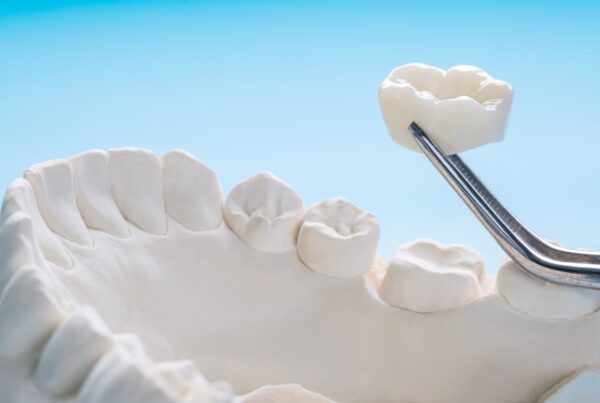
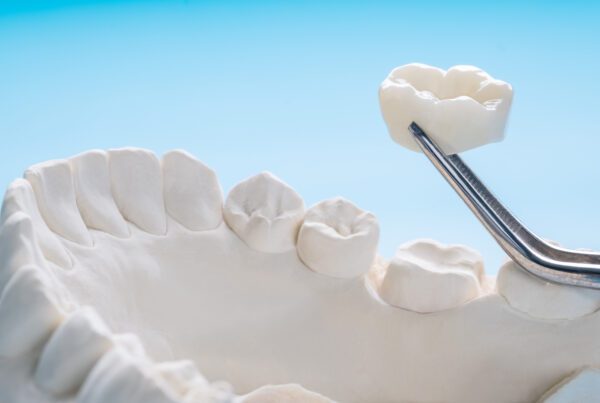
The most widely placed type, a traditional bridge uses the two teeth on either side of the gap — called abutment teeth — as anchors. These teeth are crowned, and a false tooth (pontic) is suspended between them. Traditional bridges are strong, natural-looking, and covered by most dental insurance plans. They are best suited for patients with healthy adjacent teeth on both sides of the gap.
Cantilever Bridge
A cantilever bridge is anchored to just one adjacent tooth rather than two. This design is typically reserved for areas of the mouth that experience less chewing force, such as the front teeth. While the cost is slightly lower, cantilever bridges place more lateral stress on the anchor tooth and are used less frequently today.
Maryland Bonded Bridge
The Maryland bridge is a conservative alternative that bonds a porcelain or metal framework to the backs of the neighboring teeth rather than covering them with full crowns. This preserves more natural tooth structure. Maryland bridges work well for front teeth replacements but may not hold up as reliably under heavy biting pressure in the back of the mouth.
Implant-Supported Bridge
An implant-supported bridge replaces multiple missing teeth using dental implants as anchors instead of natural teeth. This protects adjacent healthy teeth from being altered and prevents jawbone loss at the gap sites. Although the upfront cost is higher, implant-supported bridges last significantly longer and offer the best functional and aesthetic outcome available.
| Bridge Type | Best For | Cost Range | Lifespan |
|---|---|---|---|
| Traditional | Single missing tooth, healthy adjacent teeth | $2,500–$6,000 | 10–15 years |
| Cantilever | Front teeth, only one adjacent tooth available | $2,000–$5,000 | 8–12 years |
| Maryland | Front tooth replacement, minimal tooth prep desired | $1,500–$3,500 | 8–12 years |
| Implant-Supported | Multiple missing teeth, no healthy adjacent teeth | $6,000–$15,000 | 25+ years |
What Factors Affect Dental Bridge Cost?
Several variables influence the final price you will pay for a dental bridge in Richmond, TX:
1. Number of Units
Each crown or pontic in the bridge counts as one unit. A three-unit bridge (two crowns + one false tooth) costs less than a five-unit bridge (two crowns + three false teeth). Each additional pontic typically adds $500–$1,500 to the total cost.
2. Material Choice
| Material | Cost per Unit | Best For |
|---|---|---|
| Porcelain-Fused-to-Metal (PFM) | $800–$1,400 | Back teeth; strong with decent aesthetics |
| All-Ceramic / All-Porcelain | $1,200–$2,000 | Front teeth; most natural-looking |
| Zirconia | $1,300–$2,200 | Front and back teeth; strongest, excellent aesthetics |
| Metal / Gold Alloy | $700–$1,300 | Back teeth; extremely durable, less visible location |
At Best Dental, we discuss material options with every patient to match durability, aesthetics, and budget. For front teeth, we typically recommend all-ceramic or zirconia for the most lifelike result.
3. Condition of Anchor Teeth
If the abutment teeth supporting the bridge have large fillings, decay, or structural damage, a core build-up ($200–$500 per tooth) may be necessary before crown preparation. This adds to the total cost but ensures the bridge has a strong, stable foundation.
4. Need for Tooth Extraction
If the tooth being replaced is still present but cannot be saved, extraction ($150–$500) is required before the bridge can be placed. Surgical extractions for impacted or severely broken teeth cost more than simple extractions.
5. Location in the Mouth
Front teeth bridges are often fabricated with more aesthetic, premium materials and may require additional artistic attention for shade matching. Back teeth bridges may use more economical materials while still delivering excellent durability.
6. Dentist Experience and Technology
- Digital impressions: More comfortable and precise than traditional molds; may be included in treatment cost
- Same-day CEREC bridges: Milled in-office in a single appointment; may carry a premium but eliminates a second visit
- Lab quality: Premium dental labs produce more precise, longer-lasting restorations
Additional Costs to Ask About
- Tooth extraction: $150–$500 if needed before bridge placement
- Core build-up: $200–$500 per anchor tooth if additional support is needed
- Temporary bridge: $300–$700 worn while the permanent bridge is fabricated
- Dental X-rays / CBCT scan: $100–$400 for diagnostic imaging
- Gum treatment: $150–$600 if gum disease must be addressed before bridge placement
Does Insurance Cover Dental Bridges?
Dental bridges are generally considered a restorative procedure, meaning most dental insurance plans provide at least partial coverage — unlike implants, which are often classified differently. However, the amount covered varies by plan.
Typical Insurance Coverage for Bridges
| Service | Typical Coverage | Notes |
|---|---|---|
| Consultation & Exam | 80–100% | Diagnostic appointments usually well covered |
| X-Rays | 80–100% | Diagnostic imaging typically covered |
| Tooth Extraction | 70–80% | After deductible; surgical extractions may vary |
| Bridge (All Units) | 50% | Most plans cover 50% of major restorative after deductible |
| Core Build-Up | 50–80% | Covered when structurally necessary |
| Temporary Bridge | 0–50% | Coverage varies widely by plan |
Key Insurance Considerations
What to Check Before Starting Treatment
- Annual maximum: Most plans cap benefits at $1,000–$2,500 per year — the bridge cost may exceed this in a single plan year
- Missing tooth clause: Some plans will not cover a bridge for a tooth that was already missing before you enrolled
- Waiting period: Many plans require 6–12 months of active coverage before major restorative procedures are covered
- Frequency limitations: Most plans only cover a replacement bridge every 5–7 years on the same tooth
- In-network vs. out-of-network: Staying in-network typically means lower out-of-pocket costs
- Alternative benefit clause: Some plans will only pay for the least expensive treatment option (e.g., partial denture instead of a bridge)
Real-World Insurance Examples
Example 1: Standard 50% Major Coverage
- Three-unit bridge total: $4,500
- Annual deductible (already met): $0
- Insurance pays 50%: $2,250
- Your out-of-pocket cost: $2,250
Example 2: Annual Maximum Hit
- Three-unit bridge total: $4,000
- Annual maximum: $1,500
- Insurance pays: $1,500 (maximum reached)
- Your out-of-pocket cost: $2,500
Example 3: Phasing Treatment Across Two Plan Years
- Bridge total: $4,200
- Year 1 benefit (prep, temporary bridge): $1,500 from insurance
- Year 2 benefit (final bridge delivery): $1,200 from insurance
- Total insurance contribution: $2,700
- Your out-of-pocket cost: $1,500
At Best Dental: Our insurance coordinators verify your benefits before treatment, submit pre-authorizations when needed, and help you time treatment strategically to maximize your coverage across plan years.
Affordable Payment Options for Dental Bridges
A dental bridge is an investment in your smile, confidence, and long-term oral health. Best Dental offers a range of financing options to make treatment accessible for every budget:
Flexible Financing Options at Best Dental
- CareCredit Healthcare Financing: 0% interest promotional periods for 12–24 months. Extended payment plans up to 60 months available for larger treatment costs.
- In-House Payment Plans: Interest-free monthly payments customized to your budget. No credit check required for qualifying patients.
- Third-Party Healthcare Lenders: Lending Club, Prosper, and other lenders offer competitive rates for larger dental expenses.
- HSA/FSA Accounts: Dental bridges are qualified medical expenses. Use pre-tax dollars to reduce your effective cost by 20–30%.
- Dental Discount Plans: Save 15–25% on bridge costs if you do not have traditional dental insurance.
- Phased Treatment: In some cases, preparation and final delivery can be timed across two benefit years to maximize insurance payouts.
CareCredit Payment Examples
Three-unit bridge costing $3,000 after insurance:
- 12-month plan: $250/month (0% interest promotional period)
- 18-month plan: $167/month (0% interest promotional period)
- 24-month plan: $125/month (0% interest promotional period)
- 60-month plan: $58/month (low interest rate)
*Subject to credit approval. Promotional periods vary by loan amount.
Using Your HSA or FSA
Dental bridges and all associated procedures — including extractions, build-ups, and temporary restorations — qualify as eligible HSA and FSA expenses:
- Tax savings: 20–30% effective discount depending on your tax bracket
- Easy to use: Pay directly with your HSA/FSA debit card at checkout
- FSA timing: FSA funds often must be used before year-end — schedule treatment accordingly
Example: A $3,500 bridge paid through an HSA in the 25% tax bracket results in an effective cost of approximately $2,625 — a $875 savings from tax advantages alone.
For a full overview of our current dental bridge pricing, visit our pricing page or call us to discuss your specific treatment plan.
Dental Bridge vs. Dental Implant: Which is Right for You?
The most common question patients ask when missing a tooth is whether a bridge or an implant is the better choice. Both are excellent restorations — the right answer depends on your health, anatomy, budget, and long-term goals.
Bridge vs. Implant Comparison
| Feature | Dental Bridge | Dental Implant |
|---|---|---|
| Initial Cost | $2,500–$6,000 | $3,000–$6,000 |
| Lifespan | 10–15 years | 25+ years (often lifetime) |
| Surgery Required | No | Yes (implant post placement) |
| Affects Adjacent Teeth | Yes — crowns placed on neighboring teeth | No — freestanding restoration |
| Prevents Bone Loss | No | Yes |
| Bone Graft Required | No | Sometimes |
| Treatment Time | 2–3 weeks | 3–6 months |
| Insurance Coverage | Usually 50% (major restorative) | 0–50% (varies widely) |
| 30-Year Cost | $7,500–$18,000 (replacements) | $4,500–$7,500 (crown replacement only) |
When a Bridge May Be the Better Choice
- The adjacent teeth already need crowns for other reasons
- You need the restoration completed quickly
- Insufficient bone volume and you prefer to avoid bone grafting
- Budget constraints make the lower initial cost of a bridge preferable
- Certain health conditions make surgery less advisable
When an Implant May Be the Better Choice
- The adjacent teeth are healthy and untouched — preserving them is a priority
- You want the longest-lasting solution available
- Preventing jawbone loss is important to you
- You prefer a restoration that functions and is cared for exactly like a natural tooth
- You are willing to invest slightly more upfront for lower long-term costs
⚠️ The Hidden Cost of Doing Nothing
Leaving a gap untreated after tooth loss leads to serious and costly consequences:
- ● Bone loss: Jawbone deterioration begins within months, potentially requiring grafting ($500–$3,000)
- ● Shifting teeth: Neighboring teeth drift into the gap, leading to bite problems and potentially requiring orthodontics
- ● Gum recession: Exposed tissue at the gap site becomes prone to disease
- ● Bite collapse: Opposing teeth over-erupt into the empty space, destabilizing the entire bite
Treating a missing tooth promptly — with a bridge or implant — is nearly always less expensive than treating the cascade of problems that follow from waiting.
Is a Dental Bridge Worth the Cost?
For patients who need a fast, reliable, and insurance-friendly solution for a missing tooth, a dental bridge delivers exceptional value. Here is why patients consistently feel confident in their decision:
Financial Value Over Time
10-Year Cost Analysis (Single Missing Tooth):
- Dental Bridge: $3,500 initial investment, well-maintained, typically lasts 10–15 years
- Partial Denture: $1,200 initial, replaced at year 6, total ~$2,400 — but significantly inferior in comfort, function, and aesthetics
- Do Nothing: $0 now, but bone loss, shifting teeth, and future orthodontic or implant costs can total $10,000 or more
Bottom Line: A dental bridge provides a fixed, comfortable, natural-looking solution at a competitive price point with strong insurance coverage — making it one of the most cost-accessible major restorative options in dentistry.
Quality of Life Benefits
Why Patients Choose Dental Bridges
- No surgery required: Bridge placement is completed entirely above the gumline — no incisions, no implant posts
- Fast treatment: Most bridges are completed in just two appointments over 2–3 weeks
- Natural appearance: Modern all-ceramic and zirconia bridges are virtually indistinguishable from real teeth
- Restored chewing ability: Eat the foods you enjoy without discomfort or instability
- Improved speech: Gaps can affect pronunciation — a bridge restores normal speech patterns
- Prevents tooth movement: Holds neighboring teeth in proper position
- Strong insurance coverage: Better covered than implants under most dental plans
- Proven track record: Dental bridges have been a trusted restoration for over a century with high patient satisfaction
Bridge Success Rates
Traditional dental bridges have a 90%+ survival rate at 10 years with proper care. Zirconia and all-ceramic bridges now approach the durability of older metal-supported designs while providing superior aesthetics. With regular professional cleanings and good at-home hygiene — including flossing under the bridge with a floss threader or water flosser — many bridges last 15 years or more.
Patient Satisfaction: Studies consistently show 75–85% of bridge patients report being satisfied or very satisfied with their restoration — particularly those who chose bridges for adjacent teeth that already required crowns, making the bridge a highly efficient treatment option.
Frequently Asked Questions
How much does a dental bridge cost in Richmond, TX?
A traditional three-unit dental bridge in Richmond, TX typically costs $2,500–$6,000 depending on material choice and the condition of the anchor teeth. Implant-supported bridges range from $6,000–$15,000. Best Dental provides detailed, written cost estimates during your consultation so there are no surprises.
Does dental insurance cover bridges?
Most dental insurance plans classify bridges as major restorative work and cover approximately 50% of the cost after your deductible, up to your annual maximum. Most plans have annual maximums of $1,000–$2,500, which means you may still owe a significant portion out of pocket. Our team verifies your benefits before treatment begins and helps you maximize your coverage.
How long does a dental bridge last?
With proper care, a traditional dental bridge typically lasts 10–15 years. Zirconia bridges may last longer. Longevity depends on oral hygiene habits, grinding or clenching, and the health of the supporting teeth. Regular professional cleanings and proper flossing under the bridge are the most important factors in extending its lifespan.
What is the procedure for getting a dental bridge?
The process typically involves two appointments. At the first visit, the anchor teeth are reshaped to accept crowns, impressions or digital scans are taken, and a temporary bridge is placed. At the second visit (usually 2–3 weeks later), the permanent bridge is fitted, adjusted, and cemented into place. The entire process is completed in under a month for most patients.
Is a dental bridge painful?
Bridge placement is performed under local anesthesia, so you should feel no pain during the procedure. Some soreness and sensitivity around the prepared teeth is normal for a few days after each appointment and typically resolves on its own. If you experience prolonged discomfort, we encourage you to call us right away.
Can I get a bridge if I have bone loss?
In most cases, yes. Unlike dental implants, a traditional bridge does not require bone support beneath the missing tooth — it relies on the neighboring teeth for stability. Bone loss at the missing tooth site does not disqualify most patients from getting a bridge, making it a good option for patients who are not candidates for implants.
How do I clean under a dental bridge?
Regular brushing and flossing around the bridge crowns is essential. To clean under the pontic (the false tooth), use a floss threader, super floss, or a water flosser to reach beneath the bridge and along the gumline. Your dental hygienist will show you the proper technique at your first cleaning appointment after bridge placement.
What is the difference between a bridge and a partial denture?
A dental bridge is permanently cemented in place — you cannot remove it. It looks, feels, and functions like natural teeth. A partial denture is removable and typically less expensive upfront, but it is less stable, less comfortable for eating, and requires daily removal for cleaning. Most patients who can afford a bridge strongly prefer it over a removable partial denture.
Can a dental bridge be replaced with an implant later?
Yes, in most cases. If a bridge eventually fails, it is often possible to transition to an implant-supported restoration. The health of the remaining bone at the gap site will need to be evaluated, and bone grafting may be required if significant resorption has occurred. We recommend discussing long-term plans at your consultation so we can help you make the best decision for your future oral health.
How can I finance a dental bridge with no insurance?
Best Dental offers several options for patients without insurance, including CareCredit with 0% promotional financing, in-house interest-free payment plans, and dental discount plans that reduce the cost by 15–25%. Using an HSA or FSA also provides a significant tax advantage. Visit our financing page or call us to find a plan that fits your budget.
📋 Key Takeaways: Dental Bridge Costs in Richmond, TX
- Traditional three-unit bridges cost $2,500–$6,000 depending on material and case complexity
- Implant-supported bridges cost $6,000–$15,000 and offer the longest-lasting outcome
- Most dental insurance plans cover approximately 50% of bridge costs after deductible
- Annual plan maximums ($1,000–$2,500) may require phasing treatment across two benefit years
- CareCredit and in-house payment plans can reduce out-of-pocket cost to as little as $125/month
- Bridges typically last 10–15 years; zirconia bridges may last even longer with proper care
- Dental bridges do not prevent bone loss at the gap site — implants do
- HSA and FSA accounts provide 20–30% effective savings through pre-tax payment
- Leaving a gap untreated leads to bone loss, tooth shifting, and expensive future treatment
- Best Dental provides transparent, written cost estimates before any treatment begins
Get Your Personalized Dental Bridge Cost Estimate
Every patient's smile is unique, and so is every treatment plan. At Best Dental in Richmond, TX, we provide clear, itemized cost estimates at your consultation — no pressure, no surprises. We will evaluate your specific needs, review all bridge and alternative options, verify your insurance benefits, and build a financing plan that works for you. Call (281) 215-3065 or book your consultation online today and take the first step toward a complete, confident smile.
Schedule Free Consultation