
Oral Cyst & Mucocele Removal For Houston Residents
Complete guide to diagnosing and treating oral cysts and mucoceles. Expert surgical removal at Best Dental in Richmond, TX—serving Houston, Sugar Land, Katy, and surrounding communities. Fast, comfortable treatment for painful or bothersome oral lesions.
Schedule EvaluationWhat Are Oral Cysts and Mucoceles?
Oral cysts and mucoceles are fluid-filled sacs or bumps that develop in the mouth. While they're usually benign (non-cancerous), they can cause discomfort, interfere with eating or speaking, and sometimes indicate underlying dental issues that need attention.
Oral Cysts
An oral cyst is a closed sac containing fluid, pus, or other material. These develop within the jawbone or soft tissues of the mouth. Most oral cysts are painless and discovered during routine dental X-rays, though some become large enough to cause swelling, pain, or tooth displacement.
Oral cysts grow slowly over time and won't go away on their own. Without treatment, they can damage surrounding bone and teeth, making removal more complex. Early detection and treatment prevent complications.
Mucoceles
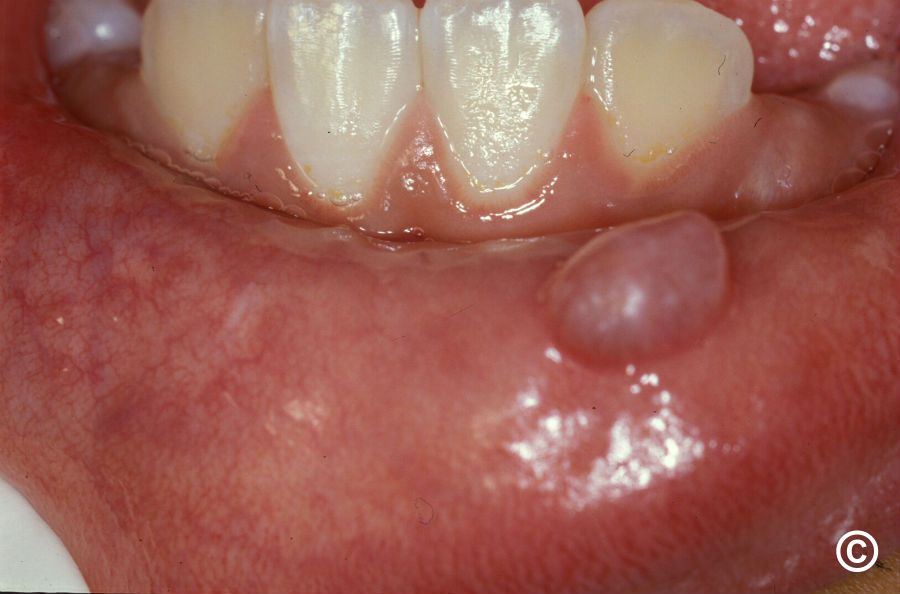
A mucocele (also called a mucous cyst or mucous retention cyst) is a soft, painless bump filled with clear fluid. These typically appear on the inner surface of the lower lip, though they can occur on the cheeks, tongue, or floor of the mouth.
Mucoceles form when a salivary gland duct gets blocked or damaged—often from accidentally biting your lip or cheek. Saliva backs up behind the blockage, creating a fluid-filled bubble under the tissue. Most mucoceles are small (2-10mm), but some grow larger and become bothersome.
Oral Cysts
- ✓ Develop in jawbone or deep tissues
- ✓ Often discovered on X-rays
- ✓ Usually painless initially
- ✓ Grow slowly over months/years
- ✓ Can damage teeth and bone
- ✓ Require surgical removal
Mucoceles
- ✓ Form in soft tissues (lip, cheek)
- ✓ Visible as clear bumps
- ✓ Usually painless
- ✓ Appear suddenly after trauma
- ✓ May rupture and refill
- ✓ Small ones may resolve; large ones need removal
At Best Dental in Richmond, TX—conveniently located for Houston, Sugar Land, and Katy residents—our experienced team diagnoses and treats all types of oral cysts and mucoceles. Early evaluation ensures prompt, effective treatment before complications develop.
Types of Oral Cysts
Several types of cysts can develop in the mouth and jaw, each with different causes and characteristics:
1. Periapical Cyst (Radicular Cyst)
Most common type of dental cyst. Forms at the root tip of a dead or infected tooth. Results from untreated tooth decay or trauma that kills the tooth's nerve.
Treatment: Usually requires root canal therapy or tooth extraction plus cyst removal.
2. Dentigerous Cyst (Follicular Cyst)
Develops around the crown of an unerupted tooth, most commonly wisdom teeth. Forms from the tissue that normally surrounds a developing tooth.
Treatment: Surgical removal of the cyst and often the associated tooth.
3. Keratocyst (Odontogenic Keratocyst)
Aggressive cyst that grows rapidly and has high recurrence rates. Often affects the lower jaw near wisdom teeth. Can be associated with genetic syndromes.
Treatment: Surgical removal with careful follow-up to monitor for recurrence.
4. Gingival Cyst
Small cyst in the gum tissue, often appearing as a tiny white or bluish bump. More common in infants (called Epstein's pearls) but can occur in adults.
Treatment: Usually self-resolving in infants; surgical removal in adults if bothersome.
5. Nasopalatine Duct Cyst
Most common non-dental cyst in the mouth. Develops in the front of the roof of the mouth from remnants of embryonic tissue.
Treatment: Surgical removal if causing symptoms or growing.
6. Ranula
A type of mucocele that specifically forms on the floor of the mouth, often appearing as a large, translucent swelling under the tongue. Results from blocked salivary glands.
Treatment: Surgical removal of the cyst and associated salivary gland.
Why Accurate Diagnosis Matters
- Different cysts require different treatments: Some need simple removal, others require more extensive surgery
- Rule out serious conditions: Rare lesions can mimic benign cysts but require different treatment
- Prevent recurrence: Proper identification ensures complete removal and reduces chances of cyst returning
- Plan appropriate surgery: Knowing the cyst type helps determine surgical approach and whether to extract associated teeth
Signs and Symptoms
Symptoms vary depending on the type, size, and location of the cyst or mucocele. Many are asymptomatic in early stages, making regular dental checkups crucial for early detection.
⚠️ When to See a Dentist
- ● Visible bump or swelling in your mouth that persists for more than 2 weeks
- ● Pain or discomfort in the jaw or teeth
- ● Swelling that grows over time
- ● Tooth displacement or mobility (teeth shifting or becoming loose)
- ● Facial asymmetry or noticeable swelling of face/jaw
- ● Difficulty eating, speaking, or swallowing
- ● Drainage or pus from the gums
- ● Recurring mucocele that keeps coming back
Oral Cyst Symptoms
- Asymptomatic early on: Small cysts often cause no symptoms and are discovered incidentally on dental X-rays
- Swelling: Visible or palpable lump in the gum, jaw, or face as cyst grows
- Pain or pressure: Discomfort in the affected area, especially if cyst becomes infected
- Tooth movement: Teeth near the cyst may shift position as cyst expands
- Bone expansion: Large cysts can cause visible facial swelling or jaw deformity
- Tooth discoloration: Affected tooth may darken if the nerve is dead
- Sensitivity: Temperature sensitivity or pain when chewing
Mucocele Symptoms
- Visible bump: Soft, round, bluish or clear bump on lip, cheek, or tongue
- Usually painless: Most mucoceles don't hurt unless irritated or infected
- Size fluctuation: May rupture (releasing clear fluid) then refill and grow again
- Interference with function: Large mucoceles can make eating, speaking, or wearing dentures difficult
- Chronic irritation: Repeatedly biting the same spot can cause recurring mucoceles
How Are Oral Cysts and Mucoceles Diagnosed?
Proper diagnosis ensures appropriate treatment and rules out more serious conditions. Our comprehensive diagnostic process includes:
Step 1: Clinical Examination
Visual and tactile inspection of the lesion. We assess size, location, consistency, color, and whether it's painful. We also check nearby teeth for signs of infection or trauma.
Step 2: Dental X-Rays
Panoramic X-rays or CBCT (cone beam computed tomography) scans show cysts within the jawbone, their size, and relationship to teeth and other structures. Mucoceles in soft tissue won't show on X-rays.
Step 3: Vitality Testing
For cysts associated with teeth, we test whether the tooth is alive or dead. This helps determine if root canal therapy or extraction is needed along with cyst removal.
Step 4: Biopsy (If Needed)
During cyst removal, tissue is sent to a pathology lab for microscopic examination. This confirms the diagnosis and rules out malignancy. Results typically return within 1-2 weeks.
Differential Diagnosis
Not every bump in the mouth is a cyst or mucocele. We differentiate these from:
- Abscesses: Pus-filled infections that are usually painful
- Tumors: Both benign and malignant growths
- Fibromas: Firm, fibrous tissue growths
- Oral cancer: Particularly important to rule out, especially for lesions that don't heal
- Salivary gland tumors: Can mimic mucoceles but require different treatment
Bottom Line: Any persistent bump, swelling, or lesion in your mouth deserves professional evaluation. Early diagnosis leads to simpler treatment and better outcomes.
Treatment Options
Treatment depends on the type, size, location, and symptoms of the cyst or mucocele. Our goal is always to use the most conservative effective approach.
When Can We "Watch and Wait"?
Conservative Management May Be Appropriate For:
- Very small, asymptomatic cysts: Monitored with regular X-rays
- Tiny mucoceles (under 3mm): May resolve on their own within 2-4 weeks
- Gingival cysts in infants: Usually disappear without treatment
However, most oral cysts and persistent mucoceles require surgical removal because:
- Cysts continue growing and can damage teeth, bone, and nerves
- Mucoceles frequently recur unless the damaged salivary gland is removed
- Leaving cysts untreated makes future removal more complex
- Biopsy is needed to confirm diagnosis and rule out malignancy
Surgical Removal: The Gold Standard
Surgery is the definitive treatment for most oral cysts and mucoceles. Our oral surgery procedures vary based on the lesion type:
Treatment Approaches
| Condition | Treatment Approach | Typical Duration |
|---|---|---|
| Simple Mucocele | Excision of cyst and damaged salivary gland | 20-30 minutes |
| Small Oral Cyst | Enucleation (complete removal of cyst lining) | 30-45 minutes |
| Large Oral Cyst | Enucleation + curettage of cavity + possible bone graft | 60-90 minutes |
| Periapical Cyst | Root canal OR tooth extraction + cyst removal | 45-90 minutes |
| Dentigerous Cyst | Cyst removal + extraction of associated tooth | 60-90 minutes |
Marsupialization
For very large cysts, a two-stage approach called marsupialization may be used:
Stage 1: Create an opening in the cyst to allow it to drain and shrink over several months. This decompresses the cyst and stimulates bone regeneration.
Stage 2: After the cyst has shrunk significantly, perform complete surgical removal.
This approach reduces risk to nearby teeth and nerves while allowing better healing.
The Removal Procedure: What to Expect
Understanding the surgical process helps reduce anxiety and ensures you're prepared for treatment. At Best Dental, we prioritize your comfort throughout the entire procedure.
Before Surgery
Pre-Operative Instructions
- Medical history review: Inform us of all medications, allergies, and health conditions
- Fasting if sedation: No food/drink for 6-8 hours if using sedation (not needed for local anesthesia only)
- Arrange transportation: If using sedation, have someone drive you home
- Medications: Take regular medications unless specifically instructed otherwise
- Antibiotics: May be prescribed if cyst is infected
During Surgery: Step-by-Step
Step 1: Anesthesia (10-15 minutes)
Local anesthesia: Numbing injections ensure you feel no pain during the procedure. You'll feel pressure but no sharp pain. Sedation: If anxious, oral or IV sedation keeps you relaxed and calm. General anesthesia is rarely needed except for very extensive cases.
Step 2: Incision and Access (5-10 minutes)
An incision is made in the gum or oral tissue to access the cyst or mucocele. For cysts in the jawbone, bone may need to be removed to reach the lesion.
Step 3: Cyst/Mucocele Removal (15-60 minutes)
For mucoceles: The cyst and damaged salivary gland are carefully excised to prevent recurrence. For oral cysts: The entire cyst lining is removed (enucleation). The cavity may be curetted to ensure no cyst tissue remains. Large cavities may be filled with bone graft material to promote healing.
Step 4: Associated Tooth Treatment (If Needed)
If a tooth is involved, it may receive root canal therapy or be extracted, depending on the situation and tooth condition.
Step 5: Closure (10-20 minutes)
The incision is sutured closed with dissolving stitches. Gauze is placed to control bleeding. Post-operative instructions are provided.
After Surgery: Immediate Recovery
- Gauze pressure: Bite on gauze for 30-60 minutes to control bleeding
- Ice application: Apply ice packs to reduce swelling (20 minutes on, 20 off)
- Pain management: Take prescribed pain medication before numbness wears off
- Rest: Take it easy for the remainder of the day
- Soft diet: Stick to soft, cool foods for 24-48 hours
Recovery and Aftercare
Recovery from oral cyst or mucocele removal typically takes 1-2 weeks, though most patients feel significantly better within 3-5 days. Following post-operative instructions ensures optimal healing.
First 24-48 Hours
Critical First Days
- ● Bleeding: Some oozing is normal. Bite gauze firmly for 30-60 minutes. If bleeding continues, use tea bag (tannic acid helps clotting).
- ● Swelling: Peaks at 48-72 hours. Ice packs for first 24 hours, then switch to warm compresses.
- ● Pain: Managed with prescribed medication. Take before numbness wears off.
- ● Diet: Soft, cool foods only. Avoid hot liquids, crunchy/hard foods, and drinking through straws.
Days 3-7
- Swelling decreases: Should be noticeably reduced by day 5
- Stitches dissolve: Dissolvable sutures fall out on their own (don't pull them)
- Resume normal diet: Gradually introduce regular foods as comfort allows
- Oral hygiene: Gently brush teeth, avoiding the surgical site initially
- Saltwater rinses: Begin gentle rinses 24 hours after surgery (1/2 tsp salt in 8oz warm water)
Weeks 2-4
- Tissue healing: Surgical site closes and begins remodeling
- Return to normal activities: Resume exercise and regular routine
- Follow-up appointment: Check healing and discuss biopsy results
Complete Healing
Soft tissue heals in 2-3 weeks, but bone regeneration (for cysts in the jaw) takes 3-6 months. Follow-up X-rays monitor bone healing and ensure the cyst hasn't recurred.
Post-Operative Care Instructions
- Take all prescribed medications: Antibiotics (if prescribed) and pain medication as directed
- Avoid disturbing the area: Don't poke the surgical site with your tongue or fingers
- No smoking: Tobacco dramatically slows healing and increases infection risk
- Avoid alcohol: Especially while taking pain medication
- Sleep elevated: Use extra pillows to reduce swelling
- Stay hydrated: Drink plenty of water
- Soft diet initially: Yogurt, smoothies, mashed potatoes, soup, eggs, pasta
- Gentle oral hygiene: Keep mouth clean but be gentle near surgical site
When to Call Your Dentist
⚠️ Contact Us Immediately If You Experience:
- ● Excessive bleeding that doesn't stop with pressure
- ● Severe pain not controlled by medication
- ● Fever over 101°F or chills
- ● Swelling that worsens after day 3
- ● Pus or foul discharge from surgical site
- ● Difficulty breathing or swallowing
- ● Numbness that persists beyond expected anesthesia duration
Frequently Asked Questions
Are oral cysts and mucoceles cancerous?
No, the vast majority are benign (non-cancerous). However, biopsy during removal is standard practice to confirm diagnosis and rule out malignancy. Rarely, some cysts can have concerning features or harbor cancer, which is why removal and pathology examination is important.
Will the cyst or mucocele come back after removal?
Recurrence rates are low when the cyst is completely removed with its lining. Mucoceles recur in about 10-15% of cases if the damaged salivary gland isn't fully excised. Certain aggressive cyst types (like keratocysts) have higher recurrence rates and require closer follow-up.
How painful is the removal procedure?
The procedure itself is painless due to local anesthesia. Afterward, expect mild to moderate discomfort for 3-5 days, well-controlled with over-the-counter or prescribed pain medication. Most patients describe it as less painful than tooth extraction.
Can I just pop a mucocele myself?
No. While mucoceles may rupture on their own, they typically refill within hours or days because the underlying damaged salivary gland continues producing saliva. "Popping" a mucocele yourself risks infection and doesn't solve the problem. Proper surgical removal of the mucocele AND the damaged gland is needed for permanent resolution.
How long will I be off work or school?
Most patients take 1-2 days off for simpler procedures (mucocele removal, small cysts). Larger cyst removals may require 3-5 days of rest. You can usually return to desk work or school within 2-3 days, avoiding strenuous activity for a week.
What causes oral cysts?
Causes vary by type: periapical cysts form from infected teeth, dentigerous cysts from impacted teeth, mucoceles from trauma to salivary glands (like biting your lip). Some cysts form from developmental remnants of tissue. Most are not preventable, but maintaining good oral hygiene and addressing tooth infections promptly reduces periapical cyst risk.
Can children get oral cysts or mucoceles?
Yes. Mucoceles are actually more common in children and adolescents due to frequent accidental lip/cheek biting. Certain cysts (dentigerous cysts around developing teeth, gingival cysts in infants) also occur in children. Treatment approach is similar to adults.
Will removing a cyst damage my teeth?
Our goal is always tooth preservation. For cysts not involving teeth, surrounding teeth are typically unaffected. For cysts associated with specific teeth, that tooth may need root canal therapy or extraction, but adjacent teeth usually remain intact. We discuss all options before proceeding.
Does insurance cover oral cyst and mucocele removal?
Yes, removal of oral cysts and mucoceles is typically covered by dental insurance as it's medically necessary treatment, not cosmetic. Coverage usually ranges from 50-80% after deductible. We verify benefits before treatment and offer flexible financing options for any out-of-pocket costs.
How do I know if a bump in my mouth needs treatment?
Any bump, swelling, or lesion that persists for more than 2 weeks should be evaluated. Don't wait to see if it "goes away"—early diagnosis and treatment prevent complications. Schedule an evaluation if you notice any unusual lumps or swelling in your mouth.
📋 Key Takeaways: Oral Cyst & Mucocele Removal
- Oral cysts and mucoceles are fluid-filled sacs that develop in the mouth
- Most are benign but require evaluation to rule out serious conditions
- Cysts grow slowly and can damage teeth and bone if untreated
- Mucoceles form from damaged salivary glands, often after biting lip/cheek
- Surgical removal is the gold standard treatment for both conditions
- Procedure is done under local anesthesia with sedation options available
- Recovery typically takes 1-2 weeks with mild discomfort
- Recurrence is uncommon when lesion is completely removed
- Any persistent bump in your mouth warrants professional evaluation
- Early treatment prevents complications and ensures simpler surgery
Get Expert Treatment for Oral Cysts & Mucoceles
Don't ignore bumps, swelling, or lesions in your mouth. At Best Dental in Richmond, TX, our experienced team provides comprehensive evaluation and expert surgical removal of oral cysts and mucoceles. Conveniently located for Houston, Sugar Land, Katy, and surrounding communities, we offer comfortable, professional care with flexible appointment scheduling. Early treatment prevents complications and ensures the best outcomes. Call (281) 215-3065 or book your evaluation online today!
Schedule Evaluation








Unlock exclusive rewards with every referral—apply to our affiliate program now!