
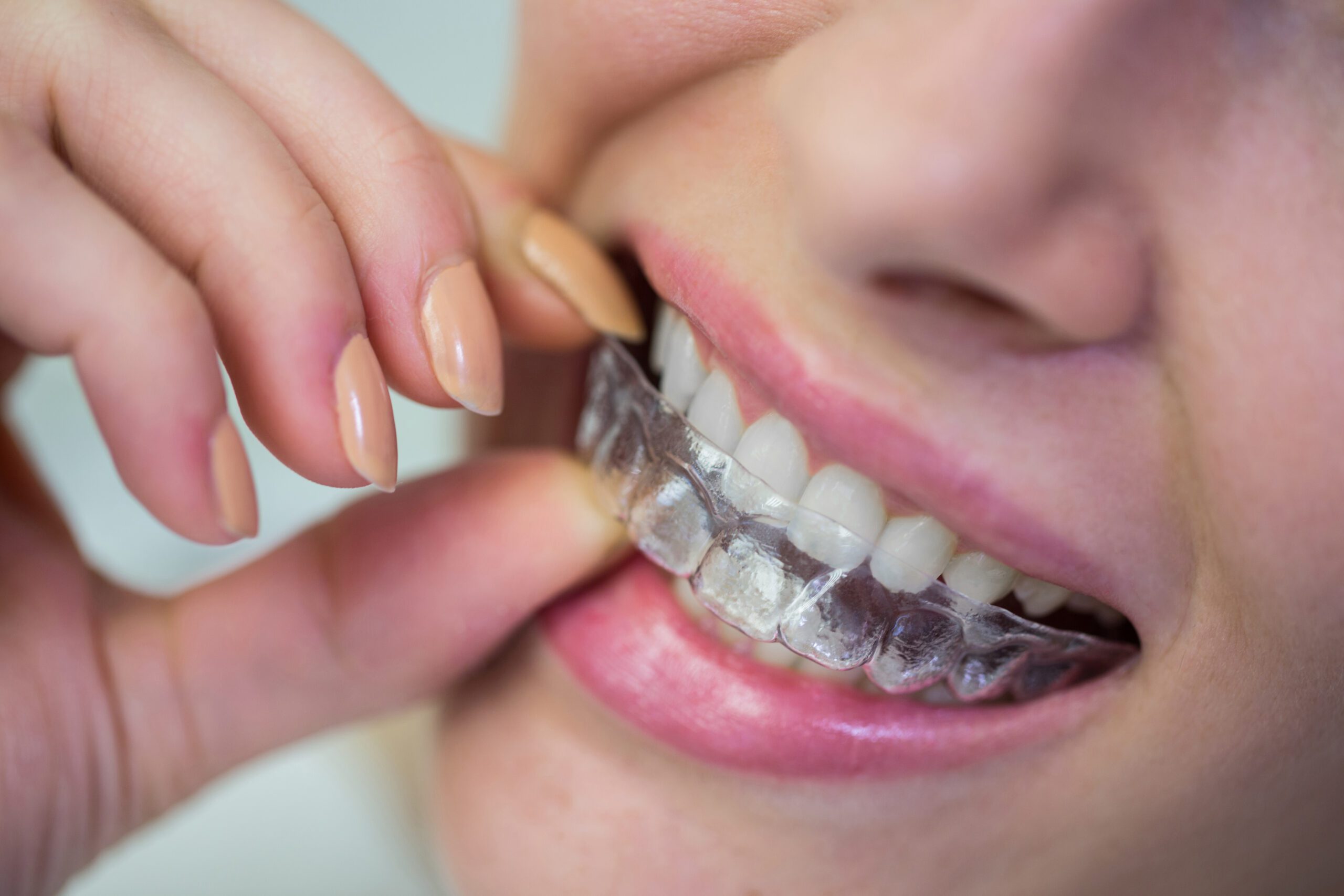
Can Invisalign Help Those Who Grind Their Teeth?
Wondering if Invisalign is safe for teeth grinders? Dr. Jasmine Naderi and Dr. Sonny Naderi at Best Dental explain the relationship between Invisalign clear aligners and bruxism (teeth grinding). Learn whether aligners provide protection, potential complications, and the best solutions for straightening teeth while managing grinding habits.
Schedule ConsultationThe Short Answer
Yes, people who grind their teeth can use Invisalign, but with important considerations. While Invisalign aligners provide some incidental protection against grinding damage during wear, they are NOT designed as nightguards and shouldn't replace proper bruxism treatment. Grinding can damage aligners, reduce treatment effectiveness, and may require additional protective measures alongside orthodontic treatment.
At Best Dental in Richmond, TX, Drs. Naderi thoroughly evaluate grinding habits before recommending Invisalign treatment. Many teeth grinders successfully complete Invisalign, but treatment requires careful planning, monitoring, and often concurrent use of dedicated nightguards to protect both teeth and aligners.
Understanding Teeth Grinding (Bruxism)
Bruxism—the medical term for teeth grinding and clenching—affects approximately 10-15% of adults. Most grinding occurs unconsciously during sleep, though some people also clench during waking hours when stressed or concentrating.
Common Signs of Teeth Grinding
- Worn, flattened teeth: Tooth surfaces appear flat instead of having natural cusps and contours
- Morning jaw soreness: Waking up with tight, tired jaw muscles or difficulty opening mouth
- Frequent headaches: Tension headaches especially in temples, worst upon waking
- Tooth sensitivity: Increased sensitivity from enamel wear exposing underlying dentin
- Chipped or cracked teeth: Unexplained damage to teeth or dental work
- Cheek or tongue damage: Ridges on inside of cheeks or scalloped tongue edges
- Partner complaints: Sleep partner hears grinding noises during night
What Causes Grinding?
Bruxism has multiple causes including stress and anxiety (most common trigger), sleep disorders like sleep apnea, misaligned bite or crooked teeth, certain medications (especially SSRIs), stimulants like caffeine or nicotine, and genetic factors (runs in families). Interestingly, while misaligned teeth can contribute to grinding, straightening teeth with Invisalign doesn't necessarily eliminate grinding habit if other factors persist.
Does Invisalign Provide Grinding Protection?
This is the critical question—and the answer is nuanced:
Yes, Aligners Provide SOME Protection
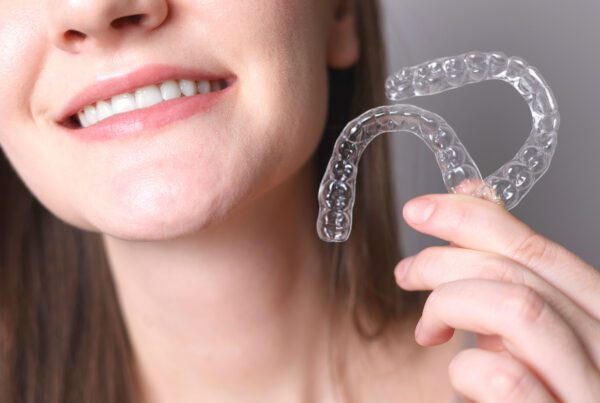
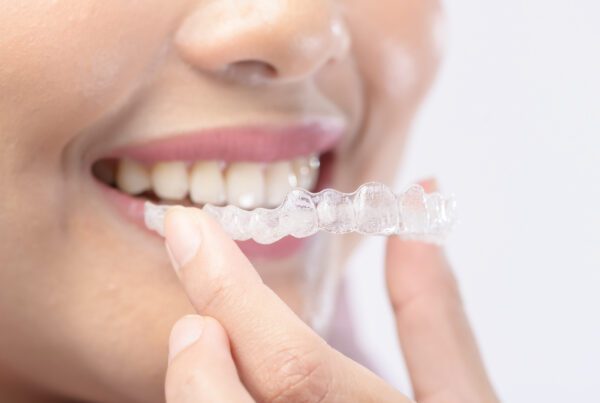
When worn, Invisalign aligners create a physical barrier between upper and lower teeth, preventing direct tooth-to-tooth contact during grinding. This incidental protection can reduce enamel wear and prevent chipping during the months you're wearing aligners. Many patients report decreased tooth sensitivity during Invisalign treatment because aligners cushion grinding forces.
But NO, Aligners Are NOT Nightguards
Invisalign aligners are made from relatively thin plastic (0.75-1mm) designed for tooth movement, not force absorption. Nightguards are thicker (2-3mm), made from harder materials, and specifically engineered to withstand grinding forces. Key differences:
Invisalign Aligners
- Thin plastic (0.75-1mm)
- Designed for tooth movement
- Changed every 1-2 weeks
- Can be damaged by grinding
- May lose fit if ground through
- Not engineered for force absorption
- Provide temporary incidental protection
Nightguards
- Thick material (2-3mm)
- Designed for grinding protection
- Last 3-5+ years
- Built to withstand grinding forces
- Maintain fit despite wear
- Engineered to absorb/distribute force
- Provide dedicated long-term protection
Learn more about dedicated custom nightguards designed specifically for grinding protection.
Concerns for Grinders Using Invisalign
While Invisalign can work for grinders, several concerns need addressing:
⚠️ Potential Issues
- Aligner damage: Grinding can wear through, crack, or deform aligners before 1-2 week change schedule, requiring replacement aligners at additional cost
- Reduced effectiveness: Damaged aligners may not apply proper forces to teeth, slowing treatment or requiring additional refinement aligners
- Increased costs: Replacing damaged aligners adds to overall treatment expense
- TMJ stress: Grinding against hard plastic may increase jaw joint stress and muscle fatigue
- Treatment delays: Waiting for replacement aligners interrupts treatment timeline
- Incomplete wear time: Damaged aligners can't be worn full 22 hours daily, reducing effectiveness
Severe Grinders May Need Alternative Approaches
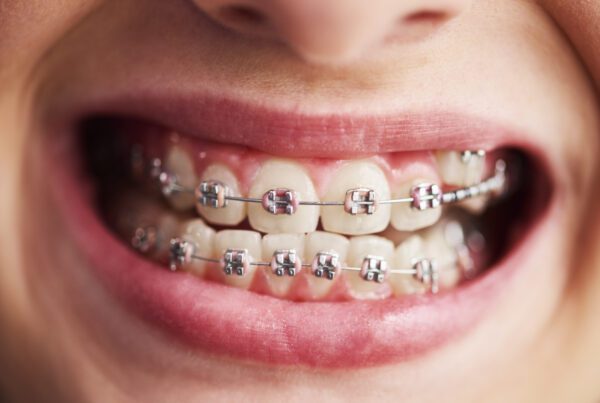
Patients with severe, destructive grinding may be better candidates for traditional braces initially. Metal brackets and wires aren't damaged by grinding forces. After straightening teeth with braces, patients can then use protective nightguards indefinitely. Dr. Naderi evaluates grinding severity during consultation to recommend the most appropriate orthodontic approach.
Potential Benefits for Grinders
Temporary Protection
Aligners protect teeth from direct grinding damage during 12-18 month treatment period. Prevents additional enamel wear while straightening.
Bite Improvement
Correcting misaligned bite may reduce grinding intensity for some patients. Proper tooth alignment can eliminate bite-related grinding triggers.
Better Nightguard Fit
After Invisalign straightens teeth, custom nightguards fit better and provide superior long-term protection. Straight teeth make better nightguard foundation.
Grinding Awareness
Wearing aligners makes patients more conscious of clenching habits. Awareness often reduces daytime grinding and helps identify triggers.
Professional Monitoring
Regular Invisalign checkups allow Dr. Naderi to monitor grinding damage closely and intervene early if problems develop.
Dual Solution
Address two problems simultaneously—straighten teeth while protecting them from grinding during treatment period.
Best Practices for Grinders Using Invisalign
If you grind your teeth and want Invisalign, follow these recommendations for best results:
Maximizing Success as a Grinder
- Be honest with Dr. Naderi: Disclose grinding habits during consultation so treatment can be planned accordingly
- Inspect aligners daily: Check for cracks, holes, or excessive wear. Report damage immediately
- Have backup aligners: Keep previous set as backup in case current aligners are damaged
- Consider accelerated changes: Some grinders benefit from changing aligners every 5-7 days instead of 7-14 days to stay ahead of damage
- Wear during sleep: Never sleep without aligners—leaving teeth unprotected exposes them to grinding damage
- Address underlying causes: Work on stress management, treat sleep apnea, reduce caffeine to minimize grinding
- Maintain regular checkups: Don't skip appointments—Dr. Naderi needs to monitor aligner wear and tooth movement closely
- Use dedicated nightguard after treatment: Plan to wear custom nightguard long-term after Invisalign completes to protect results
When to Add a Separate Nightguard
For moderate to severe grinders, Dr. Naderi may recommend wearing a separate, thicker nightguard OVER your Invisalign aligners during sleep. This dual-layer approach maximizes protection while maintaining tooth movement. The nightguard doesn't need to be as precisely fitted since aligners are underneath doing the orthodontic work.
Alternative Solutions
If Invisalign seems problematic due to severe grinding, consider these alternatives:
Traditional Braces
Metal brackets and wires aren't damaged by grinding. Treatment proceeds normally regardless of bruxism. After braces complete, use custom nightguard to protect straightened teeth indefinitely. Best option for severe grinders who need significant tooth movement.
Treat Grinding First, Then Straighten
Address bruxism before starting orthodontics. Work with Dr. Naderi to identify and treat grinding causes—manage stress, treat sleep apnea, use nightguard to break habit. Once grinding is controlled, proceed with Invisalign with reduced risk of complications.
Hybrid Approach
Start with traditional braces for major movement, then switch to Invisalign for final refinement. Braces handle heavy work without grinding concerns, then Invisalign provides aesthetic finishing while continuing to protect teeth.
Accept Longer Treatment
Budget extra time and replacement aligners into treatment plan. Acknowledge that grinding will likely damage some aligners and extend timeline. For patients committed to Invisalign despite grinding, this realistic approach sets appropriate expectations.
Frequently Asked Questions
Will Invisalign fix my teeth grinding?
No, Invisalign is an orthodontic treatment that straightens teeth—it doesn't cure bruxism. While correcting bite misalignment may reduce grinding for some patients, most people continue grinding due to stress, sleep disorders, or other factors. You'll likely need a dedicated nightguard after Invisalign to protect your newly straightened teeth from grinding damage.
Can I wear my regular nightguard over Invisalign?
Generally no—your existing nightguard was made for your original tooth positions and won't fit properly over aligners or newly positioned teeth. Dr. Naderi can create a new nightguard specifically designed to wear over Invisalign aligners if needed. After treatment completes, you'll need a new nightguard fitted to your straightened teeth.
How much does Invisalign cost for grinders?
Invisalign costs the same whether you grind or not—typically $3,500-$8,000 depending on case complexity. However, grinders may incur additional costs for replacement aligners damaged by grinding ($100-$200 per replacement set). View detailed Invisalign cost information for Richmond, TX.
Will grinding slow down my Invisalign treatment?
Possibly. If grinding damages aligners before the scheduled 1-2 week change interval, you may need to wait for replacements before advancing treatment. Severely damaged aligners may not apply proper forces, slowing tooth movement. Most grinders complete treatment successfully, but timeline may extend by 1-3 months compared to non-grinders.
Should I tell my dentist I grind my teeth?
Absolutely yes! Honesty about grinding helps Dr. Naderi plan appropriate treatment. She can monitor aligners more closely, provide guidance on protecting them, recommend concurrent nightguard use if needed, and set realistic expectations for treatment timeline and costs. Hiding grinding habits leads to preventable complications.
What if I damage my Invisalign aligners from grinding?
Contact Best Dental immediately. Depending on damage severity and timing, Dr. Naderi may: move you to next set of aligners early if movement is sufficient, order replacement of current aligners, or have you revert to previous set temporarily. Never continue wearing severely damaged aligners—they won't move teeth properly and may cause harm.
Can I use Invisalign as a permanent nightguard after treatment?
No—retainers (which you'll wear after Invisalign) are also not designed for grinding protection. While retainers maintain tooth position, they're thin and can be damaged by bruxism just like aligners. You need a separate, purpose-built nightguard for long-term grinding protection after orthodontic treatment completes.
Is there a special type of Invisalign for grinders?
No, there's no "grinder-specific" Invisalign. All patients receive the same SmartTrack aligner material. However, Dr. Naderi may adjust treatment planning—shorter wear intervals, extra monitoring appointments, refinement aligners budgeted upfront—to account for grinding. The treatment is customized through planning, not different materials.
📋 Key Takeaways
- Yes, grinders can use Invisalign but need special considerations
- Aligners provide some incidental protection but aren't designed as nightguards
- Grinding can damage aligners, requiring replacement and extending treatment
- Be honest with Dr. Naderi about grinding for best treatment planning
- Severe grinders may be better candidates for traditional braces
- Many grinders successfully complete Invisalign with proper monitoring
- You'll need dedicated nightguard after treatment to protect results
- Invisalign doesn't cure grinding—it straightens teeth
- Some patients benefit from wearing nightguard OVER aligners during sleep
- Correcting bite alignment may reduce but won't eliminate grinding for most
Get Expert Invisalign Guidance
Wondering if Invisalign is right for you despite grinding habits? Schedule a consultation with Dr. Naderi at Best Dental. We'll thoroughly evaluate your grinding severity, discuss protective strategies, and create a customized treatment plan that addresses both orthodontic needs and bruxism concerns. Many grinders successfully straighten their teeth with Invisalign—let's determine if it's the right solution for you. Call (281) 215-3065 or book your consultation online today!
Schedule Consultation