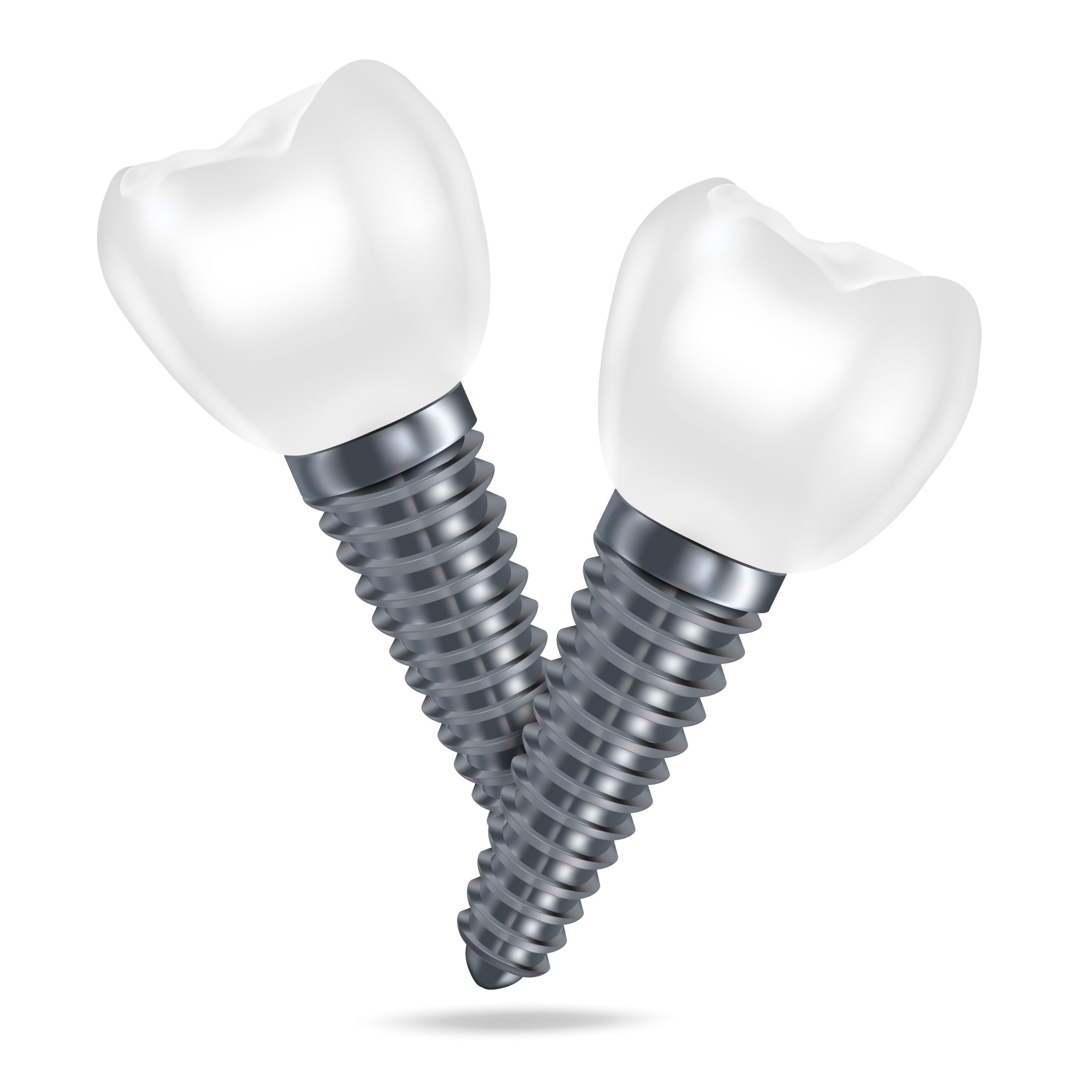
Why Richmond Residents Favor Dental Implants Over Bridges
When it comes to replacing missing teeth, Richmond, TX residents increasingly choose dental implants over traditional bridges. Discover why implants offer superior long-term value, preserve jawbone health, and provide the most natural-looking, permanent solution for missing teeth.
Schedule Your ConsultationThe Shift Toward Dental Implants in Richmond
If you're missing one or more teeth in Richmond, TX, you have two primary replacement options: dental implants or dental bridges. While both restore function and appearance, an increasing number of Richmond residents are choosing dental implants—and for good reason.
At Best Dental, we've seen a dramatic shift over the past decade. What was once a 50/50 split between implants and bridges has become approximately 75% implants and 25% bridges. This trend isn't unique to our practice—it reflects nationwide and worldwide movement toward implant dentistry as the gold standard for tooth replacement.
Why are Richmond residents favoring dental implants? The answer involves longevity, bone preservation, aesthetics, adjacent tooth protection, and long-term cost-effectiveness. While bridges were once the default option for missing teeth, modern dental implant technology has fundamentally changed the tooth replacement landscape. This article explores the reasons Richmond patients increasingly choose implants and why you should consider doing the same.
Dental Implants vs. Bridges: Direct Comparison
Before diving into why implants are preferred, let's understand what each option involves:
| Feature | Dental Implant | Dental Bridge |
|---|---|---|
| What It Is | Titanium post surgically placed in jawbone with crown attached | Prosthetic tooth anchored to adjacent natural teeth |
| Structure | Independent tooth replacement (root + crown) | 3+ connected crowns (uses neighboring teeth as anchors) |
| Adjacent Teeth | No effect on neighboring teeth | Requires grinding down healthy adjacent teeth |
| Bone Preservation | Stimulates jawbone like natural tooth root | No bone stimulation; bone loss continues |
| Longevity | 25+ years, often lifetime with proper care | 10-15 years average before replacement needed |
| Initial Cost | $3,000-$6,000 per tooth | $2,500-$5,000 for 3-unit bridge |
| Treatment Time | 3-6 months (includes healing) | 2-3 weeks |
| Surgery Required | Yes (minimally invasive) | No |
| Appearance | Most natural; emerges from gums like real tooth | Natural-looking but gum line may show |
| Cleaning | Brush and floss like natural tooth | Requires threader or special floss under bridge |
Top Reasons Richmond Residents Choose Implants
1. Dental Implants Last Significantly Longer
The most compelling reason Richmond patients choose implants is longevity. Dental implants have a 95-98% success rate and typically last 25+ years—often a lifetime with proper care. The titanium implant post itself rarely fails once integrated with bone; the crown may need replacement after 15-25 years due to normal wear, but the foundation remains solid.
In contrast, dental bridges last an average of 10-15 years before requiring replacement. This means:
- A 35-year-old getting a bridge will likely replace it 2-3 times in their lifetime
- A 35-year-old getting an implant will likely never need replacement
- Each bridge replacement involves additional dental work and cost
- Supporting teeth may deteriorate from repeated bridge replacements
Long-term cost comparison: A $4,000 implant that lasts 30+ years costs less than a $3,500 bridge replaced every 12 years ($10,500+ over 30 years).
2. Implants Preserve Jawbone Health
This is perhaps the most significant difference between implants and bridges—and one many patients don't understand until it's explained.
When you lose a tooth, you also lose the tooth root that stimulated your jawbone through chewing forces. Without this stimulation, your jawbone begins to deteriorate in that area—a process called resorption. Within the first year after tooth loss, you can lose 25% of bone width in that area. Bone loss continues progressively over time.
Dental bridges: Do nothing to prevent bone loss. The bridge sits on top of the gums while the underlying bone continues to shrink. Over years, this creates:
- Visible gap between bridge and gums as bone recedes
- Food trapping under the bridge
- Sunken facial appearance as bone structure changes
- Difficulty replacing the bridge later due to bone loss
- Potential need for bone grafting before future implant placement
Dental implants: Function like natural tooth roots, transferring chewing forces into the jawbone and maintaining bone volume. The titanium post integrates with bone through osseointegration, actually stimulating bone maintenance and preventing deterioration.
Why Bone Preservation Matters Long-Term
- Maintains facial structure: Prevents premature aging and sunken appearance
- Preserves adjacent teeth: Bone supports neighboring teeth; loss affects entire mouth
- Enables future treatment: Retained bone makes future dental work easier
- Improves overall health: Strong jawbone supports better chewing and nutrition
- Saves money: Avoiding bone grafting later saves thousands of dollars
3. Implants Don't Sacrifice Adjacent Healthy Teeth
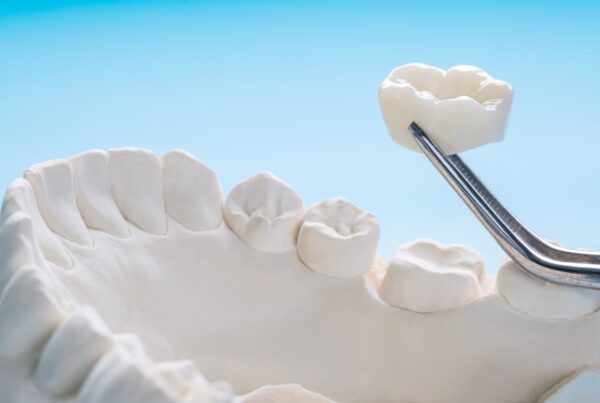
To place a traditional dental bridge, your dentist must permanently grind down the two teeth on either side of the gap to serve as anchor points. These teeth are reshaped into small pegs that will be covered by crowns. This is irreversible—those teeth will need crowns for the rest of your life.
The problems with this approach:
- Sacrificing healthy tooth structure: Often the adjacent teeth are perfectly healthy and cavity-free
- Increased cavity risk: Crowned teeth have higher risk of decay at margins over time
- Potential nerve damage: Grinding teeth can sometimes injure the nerve, requiring root canal
- Future complications: If a supporting tooth fails, the entire bridge fails
- Domino effect: Losing one bridge anchor tooth may require a larger bridge or multiple implants
Dental implants are standalone restorations that don't involve neighboring teeth at all. Your healthy adjacent teeth remain untouched, unaltered, and protected. This preserves more of your natural tooth structure long-term.
Richmond residents appreciate this conservative approach that doesn't compromise healthy teeth to replace a missing one.
4. Superior Aesthetics and Natural Appearance
Both implants and bridges can look natural, but implants have aesthetic advantages:
Dental implants emerge from the gums exactly like natural teeth:
- Custom crown is attached to implant post below the gum line
- Gum tissue grows naturally around the crown
- No visible metal or prosthetic components
- Papilla (triangular gum tissue between teeth) is preserved
- Aging changes are minimal as implant supports bone structure
Dental bridges sit on top of the gums:
- Prosthetic tooth portion doesn't emerge from gum line naturally
- As bone recedes, gap appears between bridge and gums
- Gum tissue around bridge changes over time
- Food particles can collect under bridge (visible and problematic)
- May develop "black triangle" appearance at gum line
For front teeth especially, implants provide the most natural, beautiful results. Richmond residents who are image-conscious increasingly choose implants for this reason.
5. Easier Maintenance and Oral Hygiene
Daily care is simpler with dental implants:
Cleaning implants: Brush and floss exactly like natural teeth. The implant crown is a standalone tooth that you can floss around normally. No special tools or techniques required.
Cleaning bridges: Requires threader floss or special interdental brushes to clean under the bridge. The pontic (false tooth) portion creates a space that collects food and plaque but can't be flossed normally. Many patients struggle with proper bridge cleaning, leading to gum disease around the anchor teeth.
Richmond patients appreciate the convenience of implants that integrate seamlessly into their existing oral hygiene routine without added complexity.
6. Better Long-Term Value Despite Higher Initial Cost
The elephant in the room: dental implants cost more upfront than bridges. A single tooth implant runs $3,000-$6,000 while a 3-unit bridge costs $2,500-$5,000. However, Richmond residents increasingly recognize that initial cost doesn't tell the whole story.
30-Year Cost Analysis (Single Missing Tooth):
| Option | Initial Cost | Replacements Needed | Total 30-Year Cost |
|---|---|---|---|
| Dental Implant | $4,500 | Possible crown replacement once ($1,500) | $6,000 |
| Dental Bridge | $3,500 | 2 replacements ($3,500 each) | $10,500 |
| Bridge + Complications | $3,500 | 2 replacements + 1 anchor tooth fails | $14,000+ |
Additional hidden costs of bridges:
- Potential root canals on anchor teeth ($1,000-$1,500 each)
- Treatment if anchor tooth fails (may need implant anyway)
- Bone grafting if you later decide on implant ($500-$3,000)
- More frequent dental visits for bridge maintenance
When Richmond residents understand the total lifetime cost, implants are clearly the better investment. Check our pricing page for current rates and financing options.
7. Implants Feel and Function Like Natural Teeth
Functionality differences matter in daily life:
Dental implants:
- Restore 85-95% of natural bite force
- Feel stable and solid when chewing
- No movement or shifting
- Can bite into hard foods without worry
- Natural sensation when chewing
Dental bridges:
- Restore approximately 70% of bite force
- May feel slightly different when chewing
- Slight movement possible as bone resorbs
- Some patients avoid very hard foods
- Relies on anchor teeth for all force
Richmond residents want to eat Texas BBQ, fresh Gulf seafood, and pecans from local farms without dietary restrictions. Implants provide the confidence to enjoy all foods.
When Dental Bridges Still Make Sense
Despite the many advantages of dental implants, bridges remain appropriate for certain situations:
1. Cost Constraints (Short-Term)
If you need immediate tooth replacement but can't afford the upfront implant cost, a bridge provides a functional solution. However, consider:
- Many Richmond dentists offer financing for implants
- Dental insurance often covers implants similarly to bridges
- Waiting 6-12 months to save for an implant may be worthwhile
- The long-term cost of bridges is actually higher
2. Adjacent Teeth Already Need Crowns
If the teeth on both sides of the gap already have large fillings or need crowns anyway, a bridge makes sense. You're not sacrificing healthy tooth structure—you're efficiently restoring multiple teeth at once.
3. Medical Conditions Preventing Surgery
Some health conditions make implant surgery inadvisable:
- Uncontrolled diabetes with poor healing
- Recent radiation therapy to jaw area
- Certain bone disorders affecting healing
- Severe immune system compromise
- Some medications (like IV bisphosphonates for osteoporosis)
4. Insufficient Bone Volume
If you've been missing teeth for years and significant bone loss has occurred, bone grafting may be required before implant placement. Some patients prefer to avoid additional surgery and choose bridges instead. However, many Richmond residents opt for bone grafting because it enables the superior long-term solution.
5. Faster Treatment Timeline Needed
Bridges can be completed in 2-3 weeks while implants take 3-6 months (including healing time). If you have a wedding, important presentation, or other time-sensitive event, a bridge delivers faster results. However, temporary solutions exist for implants during the healing period.
Why Richmond, TX Residents Specifically Choose Implants
Beyond the universal advantages of implants, several Richmond-specific factors drive local preference:
Access to Experienced Providers
Richmond has excellent dental implant specialists, including Dr. Sonny Naderi at Best Dental who has placed 1,000+ implants. Having local expertise makes implants more accessible and affordable than referring to Houston specialists.
Competitive Pricing
Richmond dental practices offer implants at better prices than Houston Medical Center locations—often $1,000-$2,000 less per implant while maintaining the same quality and expertise.
Community Word-of-Mouth
Richmond is a close-knit community where successful implant patients enthusiastically share their experiences. Positive testimonials from neighbors and friends build confidence in choosing implants.
Active Lifestyle Demands
Richmond residents enjoy outdoor activities, sports, and active lifestyles that demand stable, permanent tooth replacement. Implants provide the durability and confidence for active living.
Long-Term Planning Culture
Richmond homeowners and families think long-term about investments in their homes, vehicles, and health. This planning mentality aligns perfectly with choosing implants for superior long-term value.
Insurance Coverage Improving
More dental insurance plans accepted in Richmond now cover implants at the same rate as bridges, reducing the cost difference and making implants more accessible to more families.
Making Your Decision: Implant or Bridge?
If you're facing this decision in Richmond, TX, consider these questions:
Choose Dental Implants If...
- You want the longest-lasting, most permanent solution
- Preserving jawbone health is important to you
- Your adjacent teeth are healthy and you want to keep them that way
- You're willing to invest more upfront for better long-term value
- You want the most natural appearance and function
- You're comfortable with a minor surgical procedure
- You prefer easier daily oral hygiene maintenance
- You're under 60 and want a lifetime solution
Consider a Dental Bridge If...
- ● You need immediate tooth replacement (2-3 weeks)
- ● Adjacent teeth already need crowns anyway
- ● You have medical conditions preventing implant surgery
- ● You absolutely cannot afford implant cost even with financing
- ● You're elderly and a 10-15 year solution is sufficient
Questions to Ask Your Richmond Dentist
- Am I a candidate for dental implants? (Most people are)
- Do I need bone grafting first? (Adds cost and time)
- What is the total cost difference for my specific case?
- What financing options are available?
- What does my dental insurance cover?
- What is your success rate with implants? (95%+ is standard)
- How many implants have you placed? (Dr. Naderi: 1,000+)
- What happens if the treatment fails?
📋 Key Takeaways: Implants vs. Bridges in Richmond
- Dental implants last 25+ years vs. bridges lasting 10-15 years
- Implants preserve jawbone; bridges allow progressive bone loss
- Implants don't sacrifice adjacent healthy teeth like bridges require
- Despite higher upfront cost, implants are more economical over 30 years
- 75% of Richmond residents now choose implants over bridges
- Implants provide superior aesthetics, emerging naturally from gums
- Daily cleaning is easier—brush and floss like natural teeth
- Implants restore 85-95% of bite force vs. 70% for bridges
- Richmond offers excellent local implant providers at competitive prices
- Most dental insurance now covers implants similarly to bridges
Discover Your Best Tooth Replacement Option
Whether dental implants or bridges are right for you depends on your unique situation, budget, and goals. At Best Dental in Richmond, TX, Dr. Sonny Naderi has placed over 1,000 dental implants and can provide honest, expert guidance on which option will serve you best. We'll evaluate your specific case, explain all options with transparent pricing, verify your insurance coverage, and help you make an informed decision. Don't live with missing teeth—schedule your consultation to explore permanent tooth replacement solutions. Call (281) 215-3065 or book your appointment online today!
Schedule Your Consultation