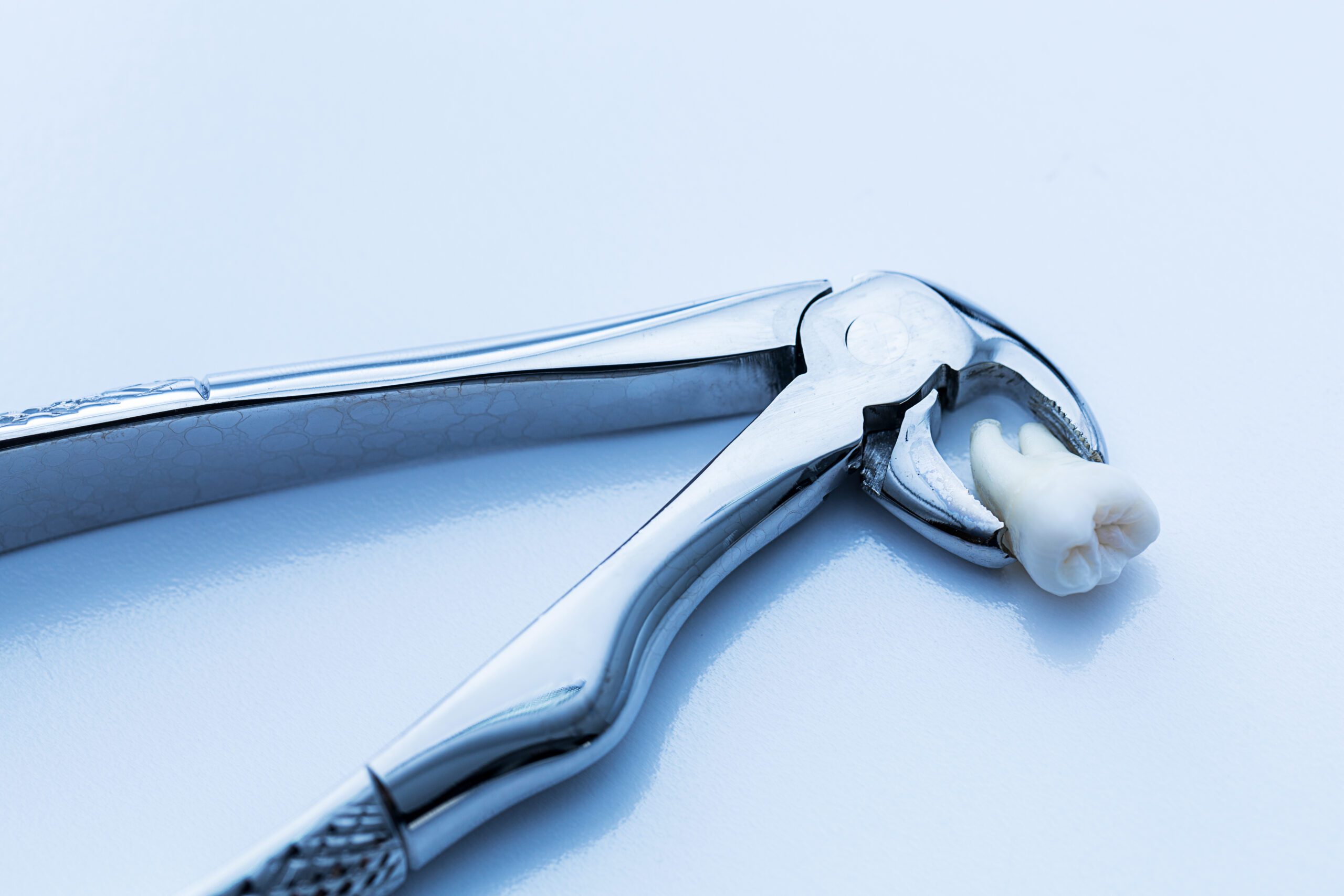
Same-Day Tooth Extraction: A Complete Guide for Dental Emergencies
Facing a dental emergency? This comprehensive guide explains when you need immediate tooth extraction, what to expect during the procedure, pain-free options, and recovery tips. Dr. Jasmine Naderi and Dr. Sonny Naderi at Best Dental in Richmond, TX provide expert emergency dental care with same-day appointments. Don't suffer another day—get the immediate relief you need.
Call for Emergency: (281) 215-3065Understanding Emergency Tooth Extraction
For complete information about our tooth extraction services, visit our Tooth Extraction page. This guide focuses specifically on emergency same-day extractions and what to expect during dental emergencies.
Dental emergencies don't wait—and neither should you. When a tooth is severely damaged, infected, or causing unbearable pain, same-day extraction provides immediate relief and prevents serious complications. At Best Dental in Richmond, TX, we prioritize emergency dental care, offering same-day extraction appointments to stop your pain and protect your health.
🚨 Emergency Situations Requiring Immediate Extraction
- Severe, unrelenting tooth pain: Pain not controlled by over-the-counter medications indicates serious infection or damage
- Dental abscess: Pus-filled infection that can spread to jaw, bloodstream, and vital organs—life-threatening if untreated
- Broken tooth with exposed nerve: Excruciating pain from nerve exposure requires immediate intervention
- Knocked-out tooth that can't be saved: Severe trauma damaging tooth beyond repair
- Swelling affecting breathing or swallowing: Medical emergency requiring urgent extraction and antibiotics
- Tooth fracture below gum line: Cannot be restored, must be extracted to prevent infection
Dr. Naderi understands dental emergencies create anxiety and discomfort. We reserve appointment slots specifically for urgent situations, ensuring you're seen quickly—often the same day you call. Don't suffer through another night of tooth pain when relief is available today.
When Is Tooth Extraction Necessary?
While preserving natural teeth is always preferable, extraction becomes necessary when a tooth cannot be saved or poses health risks. Common reasons for tooth extraction include:
Medical Reasons for Extraction
- Severe tooth decay: Cavity extending into tooth pulp and root, beyond repair with root canal
- Advanced periodontal disease: Gum disease destroying bone and ligaments supporting tooth, causing looseness
- Dental abscess unresponsive to treatment: Infection not controlled by root canal therapy
- Cracked or fractured tooth: Crack extending below gum line or into root structure
- Impacted wisdom teeth: Partially erupted molars causing pain, infection, or damage to adjacent teeth
- Crowding for orthodontics: Creating space for teeth straightening with braces or Invisalign
- Failed dental work: Tooth with failed root canal, broken crown, or extensive damage
- Preparation for dentures: Removing non-restorable teeth before denture placement
- Tooth blocking other teeth: Extra teeth or supernumerary teeth preventing normal eruption
During your consultation, Dr. Naderi thoroughly examines the tooth, takes X-rays to assess damage, and discusses all treatment options. Extraction is only recommended when saving the tooth is not feasible or would cause more problems than removing it.
The Same-Day Extraction Process
Understanding what happens during extraction reduces anxiety and helps you prepare. Here's the step-by-step process:
Step 1: Emergency Consultation (10-15 minutes) - Dr. Naderi examines the tooth, reviews symptoms, and takes necessary X-rays. She explains why extraction is needed and discusses sedation options. You'll provide medical history and current medications to ensure safe treatment.
Step 2: Anesthesia & Sedation (5-10 minutes) - Local anesthetic numbs the tooth and surrounding tissue completely—you won't feel pain during extraction. If requested, sedation dentistry (nitrous oxide or oral sedation) relaxes you during the procedure. Anesthesia takes effect within minutes.
Step 3: Tooth Extraction (15-45 minutes) - For simple extractions (tooth visible above gum line), Dr. Naderi gently loosens the tooth with specialized instruments, then lifts it from the socket. For surgical extractions (broken tooth, impacted tooth), a small incision may be needed to access the tooth. The tooth may be sectioned into pieces for easier removal. You'll feel pressure but no pain.
Step 4: Socket Care (5 minutes) - After removal, the socket is cleaned and any sharp bone edges smoothed. Gauze is placed to control bleeding and promote blood clot formation. Stitches may be placed for surgical extractions to close the gum tissue.
Step 5: Post-Op Instructions (5-10 minutes) - Dr. Naderi provides detailed recovery instructions, prescribes pain medication and antibiotics if needed, and schedules follow-up appointment. You'll receive written instructions to take home.
Total Appointment Time
Simple extractions typically take 30-45 minutes total. Surgical extractions require 60-90 minutes. Most patients leave comfortable and relieved that the problem tooth is gone.
Pain-Free Extraction Options
Local Anesthesia
Standard numbing injection completely blocks pain signals from tooth and surrounding tissue. You remain fully conscious and aware but feel no pain—only pressure and movement.
Nitrous Oxide (Laughing Gas)
Inhaled sedation creates relaxed, calm feeling while remaining conscious. Reduces anxiety and makes time pass quickly. Effects wear off immediately after removal—safe to drive home.
Oral Sedation
Medication taken before appointment produces deep relaxation. Most patients remember little of procedure. Requires someone to drive you home. Ideal for severe dental anxiety.
IV Sedation
Delivered through IV for deepest sedation level while remaining responsive. For complex surgical extractions or extreme anxiety. Professional monitoring throughout procedure. Requires escort home.
Learn more about our sedation dentistry options to ensure comfortable, anxiety-free treatment.
Recovery After Extraction
Proper aftercare ensures quick healing and prevents complications. Most patients recover fully within 7-10 days.
First 24 Hours After Extraction
- Bite on gauze: Keep gauze pad in place for 30-45 minutes to stop bleeding. Replace if bleeding continues.
- Apply ice: 20 minutes on, 20 minutes off for first 6 hours reduces swelling
- Rest: Avoid strenuous activity for 24 hours—keeps blood pressure low, reducing bleeding
- Don't rinse or spit: Can dislodge blood clot causing dry socket (painful condition)
- Eat soft foods: Yogurt, pudding, smoothies, mashed potatoes—nothing requiring chewing
- Take prescribed medications: Pain relievers and antibiotics as directed
- Sleep elevated: Extra pillow reduces swelling overnight
- No smoking or alcohol: Both delay healing and increase dry socket risk
Days 2-7: Healing Phase
- Gentle salt water rinses: After 24 hours, rinse with warm salt water 3-4 times daily
- Progress diet slowly: Add soft solid foods as comfort allows—eggs, pasta, fish
- Brush carefully: Avoid extraction site but maintain oral hygiene everywhere else
- Continue medications: Finish entire antibiotic course even if feeling better
- Return to normal activities: Resume work and light exercise after 48 hours
Signs of Complications Requiring Immediate Care
- Severe pain not controlled by prescribed medication
- Heavy bleeding beyond 24 hours
- Fever above 101°F
- Excessive swelling or swelling that worsens after day 3
- Difficulty breathing or swallowing
- Foul taste or odor from extraction site (possible dry socket)
Contact Best Dental immediately if you experience any concerning symptoms. We provide aftercare support to ensure smooth recovery.
Replacing Your Extracted Tooth
While emergency extraction solves immediate pain and infection, replacing the missing tooth prevents future problems. Gaps from missing teeth cause:
- Adjacent teeth shifting into the gap, creating bite problems
- Opposing tooth over-erupting due to lack of contact
- Jawbone deterioration in the extraction area
- Difficulty chewing, affecting nutrition and digestion
- Speech changes, especially with front teeth
- Facial sagging from bone loss
Tooth Replacement Options
Dental Implants (Best Long-Term Solution): Titanium post surgically placed in jawbone acts as artificial tooth root. Crown attached to implant looks and functions like natural tooth. Prevents bone loss and lasts lifetime with proper care. Dr. Naderi has placed 1,000+ successful implants. Learn about dental implants.
Dental Bridge: Fixed restoration using adjacent teeth as anchors. Artificial tooth (pontic) fills gap, cemented permanently in place. Completed in 2-3 weeks. Lasts 10-15 years. Learn about dental bridges.
Partial Denture: Removable appliance replacing one or more teeth. Metal clasps attach to remaining teeth. Most affordable option but least stable. Requires removal for cleaning. Learn about dentures.
Timeline for Replacement
Implants can be placed 3-6 months after extraction once site heals completely. Some cases qualify for immediate implant placement the same day as extraction. Bridges can begin fabrication 4-6 weeks after extraction. Partial dentures can be made 6-8 weeks post-extraction. Dr. Naderi discusses replacement options during extraction consultation so you understand the complete treatment plan.
Tooth Extraction Cost & Insurance
Extraction Costs
Extraction fees vary based on complexity and tooth location:
Typical Extraction Costs
- Simple extraction (visible tooth): $150-$300 per tooth
- Surgical extraction (impacted, broken below gum): $225-$600 per tooth
- Wisdom tooth extraction: $200-$600 per tooth depending on impaction
- Emergency exam (if not established patient): $75-$150
- X-rays (if needed): $25-$200
View our complete pricing information for all dental services.
Insurance Coverage
Most dental insurance plans cover tooth extraction when medically necessary:
- Simple extractions: Typically covered at 70-80%
- Surgical extractions: Usually covered at 50-70%
- Emergency exam: Covered at 80-100%
- X-rays: Covered at 80-100%
Our billing team verifies your insurance benefits and provides accurate cost estimates before treatment. We file all insurance claims on your behalf.
Payment Options
For patients without insurance or with out-of-pocket costs:
- CareCredit: Healthcare financing with 0% promotional periods. Learn about financing.
- Payment plans: Flexible arrangements for emergency procedures
- Dental Discount Plan: Reduced fees for uninsured patients. Explore our plan.
Frequently Asked Questions
Does tooth extraction hurt?
No—local anesthesia completely numbs the area so you feel no pain during extraction. You'll feel pressure and movement but not pain. After anesthesia wears off (2-3 hours), mild to moderate discomfort is normal, easily controlled with prescribed pain medication. Most patients report extractions are much less painful than they expected.
Can I really get same-day extraction?
Yes! Best Dental reserves appointment slots for dental emergencies. Call (281) 215-3065 and explain your situation—we'll schedule you the same day in most cases. For non-emergency extractions, we typically schedule within 1-2 weeks based on your preference.
How long does recovery take?
Initial healing takes 7-10 days. Most patients return to work and normal activities within 48 hours. The extraction socket fully heals (bone fills in) over 3-6 months. Pain and swelling improve significantly by day 3-4. Follow post-op instructions carefully for fastest healing.
What can I eat after extraction?
First 24 hours: Soft, cool foods like yogurt, pudding, smoothies, ice cream, applesauce. Days 2-7: Add soft solid foods—scrambled eggs, mashed potatoes, pasta, well-cooked vegetables, fish. Week 2+: Resume normal diet as comfort allows. Avoid hard, crunchy, or sticky foods initially. Chew on opposite side of extraction.
When can I brush my teeth?
Continue brushing all other teeth normally—just avoid the extraction site for 24 hours. After 24 hours, begin gentle rinsing with warm salt water 3-4 times daily. After 48 hours, you can gently brush near (but not directly on) the extraction site. Good oral hygiene everywhere else prevents infection.
What is dry socket and how do I prevent it?
Dry socket occurs when the blood clot dislodges from extraction socket, exposing bone and nerves—causes severe throbbing pain starting 2-3 days after extraction. Prevention: Don't smoke for 72 hours, don't use straws (suction dislodges clot), don't rinse or spit forcefully for 24 hours, follow all post-op instructions. Incidence: 2-5% of extractions. Treatment: Dr. Naderi places medicated dressing for pain relief and healing.
Can I drive myself home after extraction?
With local anesthesia only: Yes, you can drive. With nitrous oxide (laughing gas): Yes, effects wear off within minutes. With oral or IV sedation: No, you need someone to drive you home and stay with you for several hours. We'll inform you before procedure if you need a driver.
Should I replace my extracted tooth?
Yes, in most cases—unless it's a wisdom tooth. Leaving gaps causes problems: adjacent teeth shift, bite changes, jawbone deteriorates, chewing becomes difficult. Exceptions: wisdom teeth don't need replacement. Discuss replacement options with Dr. Naderi during extraction consultation. Dental implants provide best long-term results.
📋 Key Takeaways
- Same-day emergency extraction appointments available at Best Dental
- Local anesthesia ensures pain-free procedure—you feel pressure, not pain
- Sedation options available for anxious patients—nitrous oxide, oral, or IV
- Simple extractions take 30-45 minutes total appointment time
- Recovery takes 7-10 days with most returning to work in 48 hours
- Insurance typically covers 50-80% of extraction costs
- Replace extracted teeth to prevent shifting and bone loss
- Follow post-op instructions carefully to avoid dry socket
- Dental implants provide best long-term tooth replacement
- Don't suffer with tooth pain—call for same-day relief
Stop Tooth Pain Today
Don't spend another day in agony. Best Dental provides same-day emergency tooth extraction to eliminate pain and prevent serious complications. Dr. Naderi uses gentle techniques, advanced anesthesia, and sedation options to ensure comfortable, anxiety-free treatment. Call now for immediate appointment—we'll get you out of pain today. Emergency dental care when you need it most. Call (281) 215-3065 now!
Call for Emergency Care