What Is Dental Bone Grafting? A Complete Guide
Understanding dental bone grafting is the first step toward successful dental implants and restored oral health. This comprehensive guide explains everything you need to know about bone grafting—from what it is and why it's necessary, to the procedure itself, recovery, costs, and what to expect along the way.
Schedule Your ConsultationUnderstanding Dental Bone Grafting
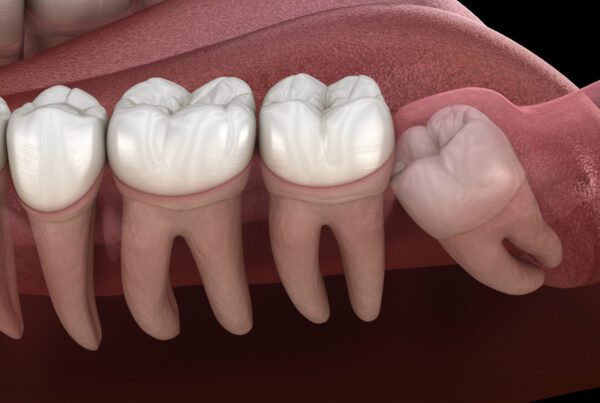
Dental bone grafting is a surgical procedure designed to rebuild and regenerate bone in your jaw where it has been lost or damaged. Think of it as creating a strong foundation for your teeth—just as a house needs a solid base to stand on, your teeth and dental implants need adequate bone support to remain stable and functional for years to come.
When you lose a tooth, the bone that once supported it begins to deteriorate through a natural process called resorption. Without the stimulation from the tooth root, your body essentially "recycles" that bone, causing it to shrink away. This bone loss can compromise your ability to get dental implants, affect your facial appearance, and even lead to further tooth loss if left unaddressed.
Bone grafting reverses this process by placing bone material into areas of deficiency, which then stimulates your body to grow new, healthy bone tissue. The procedure has become one of the most important advances in modern dentistry, making it possible for millions of people who would otherwise be unable to receive dental implants to successfully restore their smiles.
Quick Overview: What Happens During Bone Grafting
During a bone grafting procedure, your dentist or oral surgeon places bone material (from various sources) into the area where bone has been lost. Over the following months, your body's natural healing processes integrate this material with your existing bone, creating new, strong bone tissue that can support dental implants or improve overall jaw structure.
Why Do You Need Bone Grafting?
Understanding why bone grafting becomes necessary helps you appreciate its importance in the overall dental restoration process. Your jawbone is living tissue that requires constant stimulation to maintain its density and volume—stimulation that comes from the roots of your teeth when you chew and bite.
The Bone Loss Problem
When a tooth is lost or extracted, that stimulation disappears. Within just the first year after tooth loss, you can lose up to 25% of the bone width in that area. This bone loss continues progressively over time, and the longer a tooth remains missing, the more bone you lose. After several years without teeth, some people lose so much bone that their facial appearance changes, taking on a sunken or prematurely aged look.
⚠️ Common Causes of Bone Loss
- Tooth Extraction or Loss: The most common cause—missing teeth eliminate the stimulation bone needs
- Periodontal (Gum) Disease: Advanced gum disease destroys the bone and tissue supporting teeth
- Trauma or Injury: Accidents can fracture or destroy portions of the jawbone
- Long-Term Denture Wear: Dentures don't stimulate bone, accelerating loss over time
- Infections: Abscesses and infections can damage and destroy surrounding bone
- Developmental Issues: Some people are born with insufficient bone in certain areas
- Tumors or Cysts: These can destroy bone and require reconstruction after removal
Why Bone Matters for Dental Implants
Dental implants are essentially artificial tooth roots made of titanium that are surgically placed into your jawbone. For an implant to succeed long-term, it needs to be surrounded by adequate bone—both in height, width, and density. The implant must achieve what's called "osseointegration," where the bone actually fuses with the implant surface, creating a rock-solid anchor.
Without sufficient bone, one of three things happens: the implant cannot be placed at all, the implant can be placed but won't have proper stability, or the implant may initially succeed but fail over time due to inadequate support. Bone grafting solves this problem by rebuilding the bone to proper dimensions before or during implant placement.
Beyond Implants: Other Reasons for Bone Grafting
While preparing for dental implants is the most common reason for bone grafting, the procedure serves other important purposes. It can preserve your facial structure and prevent the collapsed appearance that comes with severe bone loss. It can stabilize remaining teeth by maintaining the bone around them. It can also improve your ability to wear dentures comfortably by providing better ridge structure.
Types of Bone Graft Materials
Not all bone grafts are the same. Different materials are available, each with unique properties, advantages, and best-use scenarios. At Best Dental in Richmond, TX, we select the most appropriate material based on your specific needs, the size and location of the graft, and your personal preferences.
Autograft (Your Own Bone)
This is bone harvested from another area of your own body—typically from your chin, lower jaw, hip, or shin. Because it contains your own living bone cells and growth factors, autografts are considered the "gold standard" for bone regeneration.
How it works: Your surgeon removes bone from a donor site in your body during the same surgery and places it where needed.
Advantages: Contains living cells and growth factors, no risk of rejection, highest success rates, promotes fastest healing
Considerations: Requires a second surgical site, potentially more post-operative discomfort, limited quantity available
Best for: Large grafts, complex reconstructions, patients wanting the most biologically active graft material
Allograft (Donor Bone)
This is human bone tissue from a donor, obtained through tissue banks and thoroughly processed to remove all living cells while preserving the bone mineral matrix. The material is extensively screened, sterilized, and tested for safety.
How it works: The processed donor bone is placed in your jaw, where it serves as a scaffold for your body's bone-building cells to grow new bone.
Advantages: No second surgical site needed, readily available in various forms and sizes, extensively safety-tested, excellent track record
Success Rate: Very high with modern processing techniques—comparable to autografts in many cases
Best for: Most routine bone grafting procedures, patients wanting to avoid harvesting their own bone
Xenograft (Animal Bone)
Bone mineral derived from animal sources, most commonly bovine (cow) bone. The organic components are completely removed through processing, leaving only the mineral scaffold that's very similar to human bone mineral.
How it works: The bone mineral structure acts as a framework that your body slowly replaces with your own new bone over time.
Advantages: Abundant supply, cost-effective, well-researched with decades of safe use, maintains volume well over time
Processing: Extensively purified to remove all proteins and potential disease transmission agents
Best for: Socket preservation, smaller grafts, patients seeking proven and economical options
Alloplast (Synthetic Bone)
Laboratory-created materials engineered to mimic natural bone mineral. Common types include calcium phosphate compounds, hydroxyapatite, bioactive glass, and advanced ceramics designed to promote bone growth.
How it works: Synthetic materials provide a biocompatible scaffold that supports your body's natural bone formation processes.
Advantages: Zero disease transmission risk, unlimited supply, completely synthetic with consistent properties, some formulations promote faster integration
Innovation: Advancing technology continues to improve these materials, with newer formulations showing excellent results
Best for: Patients concerned about animal or human-derived materials, smaller grafts, combination with other materials
💡 Combination Grafts: The Best of Multiple Worlds
Many experienced practitioners use combinations of different graft materials to take advantage of each material's strengths. For example, mixing autograft (for its living cells and growth factors) with allograft or xenograft (for additional volume) can provide optimal healing while minimizing the amount of bone that needs to be harvested from your own body.
Your dentist will recommend the approach most likely to succeed based on your specific situation, considering factors like the size and location of the defect, your medical history, healing capacity, and personal preferences.
The Bone Grafting Procedure: Step by Step
Knowing exactly what to expect during bone grafting helps reduce anxiety and prepares you for a successful experience. While specific details vary based on the type and size of graft, here's what typically happens from start to finish.
Initial Consultation & Evaluation
Your journey begins with a comprehensive examination. We take detailed X-rays and often 3D cone beam CT scans to assess your bone in three dimensions—measuring its height, width, density, and quality. This imaging reveals exactly where bone is deficient and helps us plan the precise graft needed.
We review your complete medical history, current medications, and any conditions that might affect healing. You'll learn about different graft material options, see visual aids showing what will happen, receive a detailed cost estimate, and have all your questions answered. This is also when we discuss sedation options if you're anxious about the procedure.
Pre-Operative Preparation
Before your surgery day, you'll receive specific instructions about eating, drinking, and medications. If you're having sedation, you'll need to arrange for someone to drive you home. We may prescribe antibiotics to start before the procedure and provide anti-anxiety medication if requested.
On surgery day, we'll review everything one more time and answer any last-minute questions. If bone is being harvested from your own body, we'll clearly explain where it's coming from and what to expect at that site.
Anesthesia & Comfort Measures
Your comfort is our absolute priority. We start with local anesthesia to completely numb the surgical area—you won't feel any pain during the procedure. For patients who are anxious or prefer to be more relaxed, we offer sedation options including oral sedation (a pill taken before the procedure) or IV sedation (administered through a small needle in your arm).
With proper anesthesia and sedation, most patients report feeling little to nothing during bone grafting. Some feel pressure or pushing sensations, but no sharp pain. The procedure itself typically takes 30 minutes to 2 hours depending on complexity.
Accessing the Bone
Once you're numb and comfortable, we make a small incision in your gum tissue to expose the underlying bone. The tissue is gently lifted away to provide clear access to the area where bone has been lost. Everything is kept meticulously clean using sterile instruments and irrigation.
If you're receiving an autograft (your own bone), we harvest the necessary amount from the predetermined donor site—usually the back of your lower jaw, chin, or another area in your mouth. This minimizes the need for separate incisions outside the mouth.
Placing the Graft Material
The bone graft material is carefully placed into the deficient area, packed to the proper density, and shaped to restore the ideal bone contour. For larger grafts, we often use a special membrane—a thin, biocompatible barrier that covers the graft material. This membrane serves two purposes: it keeps the graft in place and prevents soft tissue (gum) from growing into the space where bone should form.
In some cases, we use tiny screws or pins to stabilize larger grafts. These are often made of materials that dissolve over time, so they don't need to be removed later. The placement is precise, guided by our pre-operative planning to ensure the graft is positioned for optimal healing and future implant placement.
Closing the Surgical Site
Once the graft is securely in place, we carefully reposition the gum tissue over it and close the incision with sutures. We typically use dissolvable stitches that don't require removal—they'll gradually disappear on their own over 1-2 weeks as healing progresses.
Before you leave, we ensure bleeding is controlled, provide detailed written and verbal post-operative instructions, give you prescriptions for pain medication and antibiotics, and schedule your follow-up appointment. If you had sedation, we make sure you're stable and comfortable before releasing you to your driver.
The Healing & Integration Period
This is where the real magic happens, though you won't feel it. Over the next 3-6 months, your body performs an incredible transformation. Your natural bone cells migrate into the graft material, gradually replacing it with your own new, living bone tissue through a process called "creeping substitution."
Blood vessels grow into the area, bringing oxygen and nutrients. Specialized cells called osteoblasts build new bone, while osteoclasts remodel it to the ideal shape and density. By the end of the healing period, the graft material has been largely or completely replaced by strong, healthy bone that's indistinguishable from your natural bone.
Verification & Next Steps
After the healing period, we take new X-rays or CT scans to verify that the graft has been successful and sufficient bone has formed. Once confirmed, you're ready for the next phase of treatment—typically dental implant placement. In some cases where only minor grafting was needed, we can place the implant at the same time as the bone graft, reducing the overall treatment time.
Recovery & What to Expect After Bone Grafting
Understanding the recovery process helps you prepare properly and know what's normal versus what requires attention. Most people find recovery from bone grafting to be more straightforward than they anticipated, especially when following post-operative instructions carefully.
First 24-48 Hours: The Critical Period
The first day or two after surgery are the most important for setting the stage for successful healing. Here's what's normal and how to manage it:
What to Expect Immediately After Surgery
- Numbness: The anesthesia will wear off in 2-4 hours; take pain medication before this happens
- Bleeding: Minor oozing is normal for the first 12-24 hours; bite on gauze if needed
- Swelling: Peaks around day 2-3, then gradually subsides; use ice packs for first 24 hours (20 minutes on, 20 minutes off)
- Discomfort: Moderate soreness is common; most people manage well with prescribed or over-the-counter pain medication
- Bruising: Some facial bruising may appear, especially around larger grafts—this is normal and will fade
✓ First 48 Hours Do's and Don'ts
DO:
- Rest with your head elevated (use 2-3 pillows when lying down)
- Apply ice packs to reduce swelling (first 24 hours only)
- Take all prescribed medications as directed
- Drink plenty of water and stay hydrated
- Eat soft, cool foods (yogurt, smoothies, mashed potatoes, ice cream)
- Rinse gently with salt water after 24 hours (½ teaspoon salt in 8 oz warm water)
DON'T:
- Disturb the surgical site with your tongue or fingers
- Smoke or use tobacco products (seriously—this is critical for success)
- Drink through straws (suction can dislodge the graft)
- Spit forcefully (gentle rinsing only)
- Engage in strenuous exercise or heavy lifting
- Eat hot, hard, crunchy, or spicy foods
Days 3-7: Continued Healing
By the third day, swelling should start decreasing noticeably. Pain typically becomes much more manageable, and many people switch from prescription pain medication to over-the-counter options like ibuprofen. You can gradually introduce slightly less soft foods, though you should continue avoiding anything hard or crunchy that could disturb the graft site.
This is when you'll likely have your first follow-up appointment. We check that healing is progressing normally, ensure there are no signs of infection, and answer any questions about your recovery. The sutures (if not dissolvable) may be removed at this visit, though most modern bone grafting uses dissolvable stitches.
Weeks 2-4: Returning to Normal
Most discomfort should be completely resolved by the second week. Swelling is minimal to none, and you can resume most normal activities including light exercise. You can return to brushing the area gently and eating a more normal diet, though you should still be careful around the graft site.
During this period, it's crucial to maintain excellent oral hygiene throughout your mouth—not just avoiding the graft site. Keeping the rest of your mouth clean prevents bacteria from affecting the healing graft.
Months 2-6: The Invisible Transformation
From the outside, everything looks and feels normal. But inside, your body is hard at work transforming the graft material into living bone. This process is gradual and completely painless—you won't feel anything happening, but periodic checkups ensure healing is progressing as expected.
We typically take X-rays at the 3-month mark to assess bone formation, and again around month 4-6 to verify the graft is mature enough for implant placement. The timing varies based on the size of the graft and individual healing factors.
⚠️ When to Call Us Immediately
While complications are rare, contact Best Dental right away if you experience:
- Severe pain that doesn't improve with prescribed medication
- Heavy bleeding that doesn't stop with gentle pressure
- Fever over 101°F (38.3°C)
- Swelling that increases dramatically after day 3
- Pus, foul odor, or bad taste coming from the surgical site
- Prolonged numbness beyond what's expected from anesthesia
- Graft material that seems to be exposed or coming out
- Difficulty breathing or swallowing (rare but serious—call 911)
Factors That Affect Healing Success
Not everyone heals at the same rate. Several factors influence how well and how quickly your bone graft integrates:
- Smoking: The single biggest controllable factor—smoking dramatically reduces blood flow and can cause graft failure. Quitting is essential.
- Diabetes: Well-controlled diabetes usually heals normally; poorly controlled diabetes significantly impairs healing
- Age: Younger patients generally heal faster, but bone grafting succeeds at all ages with proper care
- Nutrition: Proper protein intake and nutrition support bone formation and healing
- Oral Hygiene: Keeping your mouth clean prevents infection that can compromise the graft
- Following Instructions: Patients who follow post-op instructions carefully have the highest success rates
- Medications: Some medications (like bisphosphonates) can affect bone healing—always inform us of all medications
Benefits of Dental Bone Grafting
While bone grafting requires an investment of time and money, the benefits extend far beyond just making implants possible. Here's what successful bone grafting achieves:
Makes Implants Possible
Creates the necessary bone foundation for successful dental implant placement, enabling permanent tooth replacement even years after tooth loss.
Prevents Further Bone Loss
Stops the progressive bone deterioration that naturally follows tooth loss, protecting your jaw structure for the long term.
Preserves Facial Appearance
Maintains natural facial contours and prevents the sunken, aged look that occurs with severe bone loss, keeping you looking younger.
Restores Chewing Function
Provides stable support for implants or dentures, dramatically improving your ability to eat nutritious foods comfortably and confidently.
Protects Adjacent Teeth
Maintains bone structure around neighboring teeth, preventing them from shifting, tilting, or becoming loose over time.
Enables Long-Term Success
Provides the proper foundation for dental work that can last 20-30 years or even a lifetime with appropriate care and maintenance.
Improves Overall Oral Health
Restores proper jaw structure, making it easier to maintain good oral hygiene and reducing risk of future dental problems.
Enhances Speech Clarity
Proper bone support allows for better implant or denture fit, improving pronunciation and eliminating the mumbling or clicking associated with ill-fitting dentures.
Cost of Dental Bone Grafting
One of the most common questions patients ask is "how much does bone grafting cost?" The honest answer is that it varies considerably based on several factors, but understanding the cost structure helps you plan appropriately.
Cost Factors
The price of bone grafting depends on the size and complexity of the procedure, the type of graft material used, whether additional procedures are needed (like membrane placement or tissue grafting), your geographic location, and the expertise of the practitioner performing it.
| Procedure Type | Typical Cost Range | What It Includes |
|---|---|---|
| Socket Preservation | $300 - $600 | Small graft placed immediately after tooth extraction to prevent bone loss |
| Minor Ridge Augmentation | $600 - $1,200 | Rebuilding a localized area of bone loss for single implant |
| Major Ridge Augmentation | $1,200 - $2,500 | Significant bone rebuilding for multiple implants or large defects |
| Sinus Lift/Augmentation | $1,500 - $3,000 | Specialized procedure to add bone in upper back jaw beneath sinus cavity |
| Block Bone Graft | $2,000 - $4,000 | Large section of bone placed for severe deficiency, often with autograft |
| Full Arch Reconstruction | $3,000 - $8,000+ | Extensive grafting for complete upper or lower jaw restoration |
💰 Understanding the Investment
What's Included in the Cost:
- Comprehensive examination and diagnostic imaging (X-rays, CT scans)
- Bone graft material (autograft, allograft, xenograft, or synthetic)
- Surgical procedure and professional fees
- Anesthesia and sedation (if used)
- Protective membranes or barriers (when needed)
- Sutures and post-operative care supplies
- Follow-up appointments to monitor healing
- Prescriptions for pain management and antibiotics
What Usually Costs Extra:
- Tooth extraction (if needed before grafting): $150-400 per tooth
- Dental implants (placed after graft heals): $1,500-3,000 per implant
- Additional sedation options beyond local anesthesia
- Temporary tooth replacement during healing period
Insurance Coverage for Bone Grafting
Many dental insurance plans provide coverage for bone grafting when it's deemed medically necessary—particularly when preparing for implants to replace missing teeth. Typical coverage ranges from 50-80% of the procedure cost, though this varies significantly by plan.
Insurance is more likely to cover bone grafting when there's documented bone loss due to periodontal disease, trauma, or medical conditions, when the graft is required for successful implant placement (not purely cosmetic), and when proper pre-authorization is obtained before the procedure.
Maximizing Your Insurance Benefits
At Best Dental, we help you navigate insurance coverage by:
- Verifying your benefits before treatment to know exactly what's covered
- Submitting pre-authorization requests with detailed clinical justification
- Providing comprehensive documentation including X-rays and treatment necessity
- Working directly with your insurance company to maximize coverage
- Explaining any out-of-pocket costs clearly before you commit to treatment
Financing Options
Even with insurance, bone grafting represents a significant investment. That's why Best Dental offers flexible payment options through healthcare financing companies like CareCredit and LendingClub. These programs allow you to:
- Spread the cost over 6-24 months with manageable monthly payments
- Access special no-interest financing for qualified applicants (typically 6-18 months)
- Get approved quickly, often within minutes, with credit checks
- Use the same account for multiple dental procedures and family members
- Begin treatment immediately without waiting to save the full amount
The True Value of Bone Grafting
While the upfront cost might seem significant, consider the alternatives and long-term value. Without adequate bone, dental implants will fail—requiring costly removal and re-treatment that's far more expensive than doing it right the first time. Bone grafting done properly is a one-time investment that provides a foundation lasting decades.
Compare this to ongoing costs of alternative treatments like dentures, which need replacement every 5-7 years, require adhesives and maintenance products, often fit poorly as bone continues deteriorating, and provide inferior chewing function affecting nutrition and quality of life.
Frequently Asked Questions About Dental Bone Grafting
Is dental bone grafting painful?
The procedure itself is not painful because you'll be completely numbed with local anesthesia, and sedation options are available to keep you comfortable and relaxed. After the anesthesia wears off, most patients experience soreness and discomfort similar to having a tooth extracted—manageable with prescribed or over-the-counter pain medication. Pain typically peaks in the first 2-3 days and then steadily improves. Most people report the procedure was far less uncomfortable than they anticipated.
How long does it take for a bone graft to heal completely?
Initial soft tissue healing takes 1-2 weeks, meaning your gums close over the graft and discomfort resolves. However, the bone regeneration process—where your body replaces the graft material with new, living bone—takes 3-6 months. Small grafts may be ready for implant placement in 3-4 months, while larger grafts typically require 5-6 months. We verify healing with X-rays or CT scans before proceeding to implant placement.
What is the success rate of dental bone grafting?
Modern bone grafting techniques have excellent success rates of 90-95% or higher when performed by experienced practitioners. Success depends on several factors including the type and size of graft, surgical technique, patient health status (especially diabetes control), smoking status (smokers have much lower success rates), and adherence to post-operative care instructions. Following your dentist's instructions carefully gives you the best chance for successful healing.
Can you get a bone graft and dental implant at the same time?
Sometimes, yes—it depends on the amount of existing bone and the stability that can be achieved. When bone loss is minimal and the implant can achieve good "primary stability" (firmly anchored on placement), small bone grafts can be placed around the implant simultaneously. This approach saves time by combining procedures. However, when bone loss is moderate to severe, the graft must fully heal and mature before implant placement. Your dentist will recommend the approach most likely to succeed in your specific case.
How do I know if I need bone grafting?
A comprehensive dental examination with X-rays or 3D imaging reveals whether you have adequate bone for dental implants or other procedures. You likely need bone grafting if you've been missing teeth for several years (bone resorbs over time), have a history of gum disease (which destroys bone), have worn dentures long-term (accelerates bone loss), experienced facial trauma affecting the jaw, or have been told by a dentist that you don't have enough bone for implants. During your consultation at Best Dental, we assess your bone volume in three dimensions and clearly explain whether grafting is necessary.
Are there any risks or complications with bone grafting?
Like any surgical procedure, bone grafting carries some risks, though serious complications are rare with proper technique. Potential risks include infection (minimized with antibiotics and proper hygiene), graft failure or rejection (uncommon with modern materials and techniques), nerve injury causing numbness (very rare and usually temporary), sinus complications when grafting the upper jaw (careful technique prevents this), and prolonged swelling or discomfort (usually resolves with time). We take extensive precautions to minimize these risks, including thorough pre-operative planning, sterile surgical technique, appropriate antibiotics, and detailed post-operative instructions.
What type of bone graft material is best?
There's no single "best" material for everyone—the optimal choice depends on your specific situation. Autografts (your own bone) are considered the gold standard because they contain living cells and growth factors, but require harvesting bone from another site. Allografts (donor bone) and xenografts (animal-derived) are very successful, don't require a second surgical site, and have excellent track records. Synthetic materials eliminate any concern about disease transmission and work well for many applications. Your dentist will recommend the material most appropriate for your case based on the size and location of the defect, your medical history, and your preferences.
Will I need time off work after bone grafting?
Most patients take 1-3 days off work, depending on the extent of the procedure and their job requirements. If your work doesn't involve heavy physical labor, extensive talking, or public-facing roles where appearance matters during initial swelling, you might return to work the next day. More extensive grafts or jobs requiring heavy lifting may warrant 3-5 days off. We provide specific guidance based on your procedure and occupation during your consultation.
Can bone grafting fail? What happens if it does?
While rare with modern techniques (failure occurs in less than 5-10% of cases), bone grafts can occasionally fail. Common causes include infection, smoking (the leading preventable cause), poor oral hygiene, diabetes that's poorly controlled, disturbing the graft site during early healing, and certain medications affecting bone metabolism. If a graft fails, it's usually evident within the first few months. Treatment involves removing any infected or non-integrated material, addressing the cause of failure, allowing the area to heal, and often re-attempting the graft with modifications to prevent recurrence. Most second attempts succeed when the underlying cause is corrected.
Is bone grafting worth it?
For most patients, absolutely yes. While bone grafting adds time and cost to your dental treatment, it makes successful, long-lasting dental implants possible. The alternative to grafting—if you have insufficient bone—is either no implants at all (leaving you with removable dentures) or attempting implants that are likely to fail without proper bone support, requiring costly removal and re-treatment. Bone grafting done right the first time is a one-time investment that provides a stable foundation lasting decades. Most patients who complete the process report it was absolutely worth it to have permanent, functional teeth again.
Why Choose Best Dental for Bone Grafting in Richmond TX?
✓ Experience You Can Trust
- Expert Surgical Team: Our dentists have extensive specialized training in bone grafting and implant dentistry with hundreds of successful procedures
- Advanced 3D Imaging: Cone beam CT technology allows precise planning and predictable outcomes
- All Graft Options Available: We offer every type of bone graft material and technique, customized to your specific needs
- Comfort-Focused Approach: Multiple sedation options ensure you're completely comfortable throughout the procedure
- Comprehensive Care: From initial consultation through bone grafting, implant placement, and final restoration—all coordinated under one roof
- Transparent Pricing: Clear cost estimates upfront with no surprise bills later
- Insurance & Financing Assistance: We maximize your insurance benefits and offer flexible payment plans
- Proven Track Record: High success rates and hundreds of satisfied patients throughout Richmond and Fort Bend County
- Patient Education: We take time to explain everything clearly so you understand your treatment and feel confident
- Long-Term Partnership: We're here for you throughout the entire process and for years of follow-up care
At Best Dental, we understand that choosing to undergo bone grafting is a significant decision. That's why we're committed to making your experience as comfortable, successful, and stress-free as possible. Our experienced team combines advanced surgical skill with genuine care for each patient, ensuring you receive the highest quality treatment in a welcoming, supportive environment.
📚 Key Takeaways: Complete Guide to Dental Bone Grafting
- Bone grafting rebuilds jawbone lost to tooth extraction, gum disease, trauma, or long-term denture wear
- Essential for successful dental implant placement in most patients with tooth loss
- Four main graft material types: autograft (your bone), allograft (donor bone), xenograft (animal bone), and alloplast (synthetic)
- Procedure performed with local anesthesia and sedation options for complete comfort
- Initial recovery takes 1-2 weeks; complete bone regeneration requires 3-6 months
- Success rates of 90-95% with proper technique and patient compliance
- Cost ranges from $300 for simple socket preservation to $3,000+ for major reconstruction
- Many insurance plans cover 50-80% when medically necessary
- Flexible financing makes treatment accessible with manageable monthly payments
- Prevents further bone loss and preserves facial structure beyond just enabling implants
- Smoking dramatically reduces success rates—quitting is essential
- Best Dental offers comprehensive bone grafting with experienced surgeons and advanced technology
Ready to Restore Your Smile with Dental Bone Grafting?
Don't let bone loss prevent you from getting the dental implants and confident smile you deserve. Best Dental in Richmond, TX offers expert bone grafting using advanced techniques, proven materials, and a patient-centered approach. Our experienced team will evaluate your bone structure, explain all your options clearly, and create a personalized treatment plan designed for your success. Take the first step toward permanent tooth replacement—call us today at (281) 215-3065 to schedule your comprehensive bone grafting consultation!
Schedule Your Consultation Today