Invisalign and Cavities: What Happens If You Get a Cavity During Treatment?
Discovered a cavity while wearing Invisalign? Don't panic. Learn exactly what happens when you develop tooth decay during clear aligner treatment, how it affects your timeline, and the prevention strategies that keep your smile on track.
Schedule Invisalign ConsultationUnderstanding Cavities During Invisalign Treatment
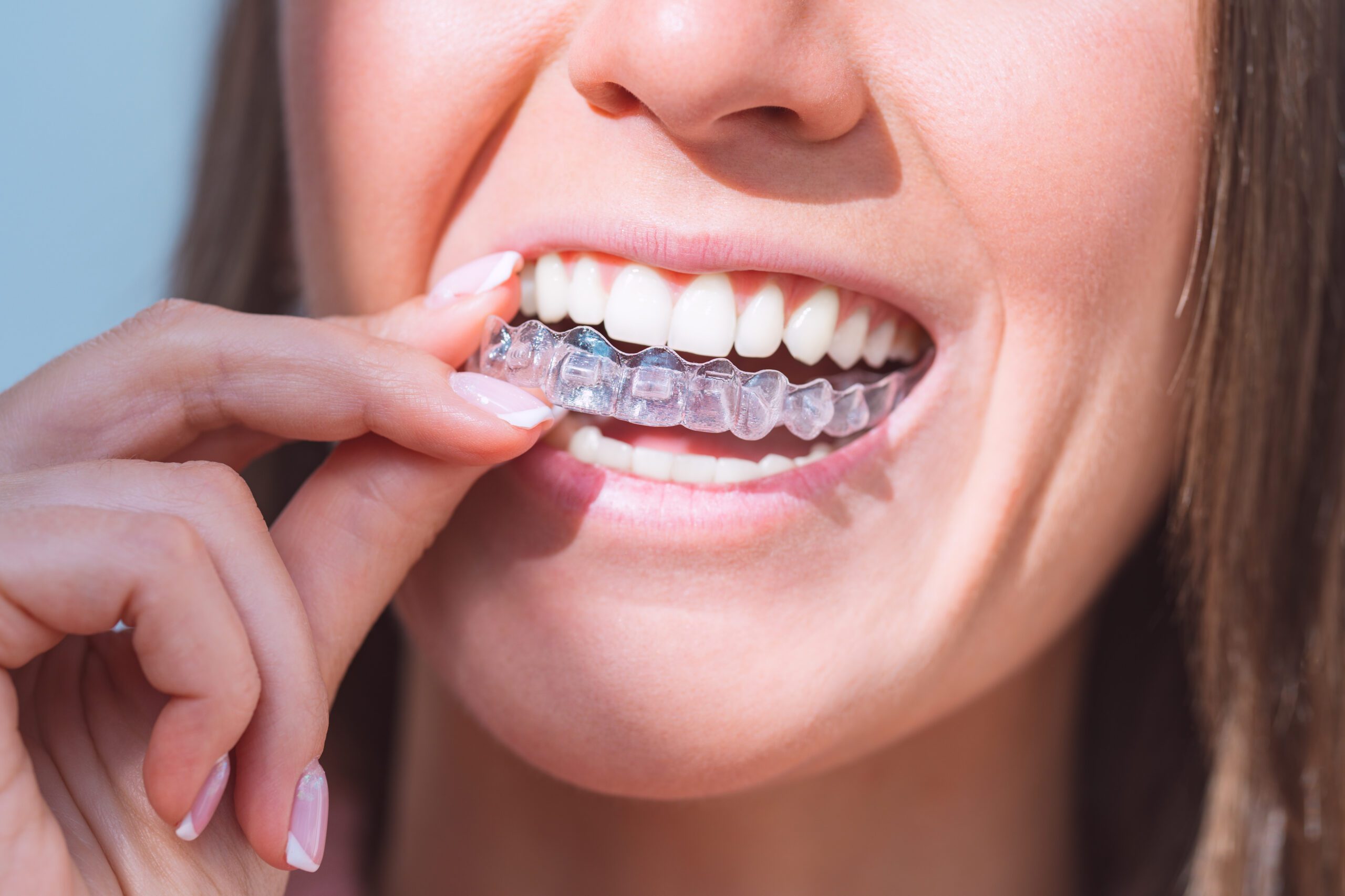
Invisalign treatment transforms smiles through precise, gradual tooth movement using custom clear aligners. But what happens when you discover a cavity midway through your orthodontic journey? This common concern affects many Invisalign patients, and understanding the process helps you navigate treatment interruptions while protecting your investment in a straighter, healthier smile.
The short answer is straightforward: Yes, you can get a cavity during Invisalign treatment, and yes, it needs to be treated before continuing with your aligners. Cavities don't pause for orthodontics—they continue progressing, causing pain, infection risk, and potentially more serious dental problems if left untreated. The good news? With proper coordination between your dentist and orthodontist, cavity treatment can be managed with minimal disruption to your Invisalign timeline.
This comprehensive guide explains what happens when cavities develop during clear aligner treatment, how dental fillings affect your aligners, prevention strategies to avoid interruptions, and the timeline impact you can expect. Whether you've already discovered decay or want to prevent it, understanding the cavity-Invisalign relationship ensures your treatment stays on track while maintaining excellent oral health.
What Happens When You Get a Cavity During Invisalign?
When your dentist discovers a cavity during Invisalign treatment, several factors determine the next steps. The cavity's size, location, and severity all influence whether your treatment continues uninterrupted or requires temporary modification.
Small Surface Cavity
Minor decay on smooth tooth surfaces
- Quick filling appointment (30-45 minutes)
- Minimal tooth structure change
- Current aligners likely still fit
- Treatment continues with little delay
- May need new impressions if tooth shape changes significantly
Moderate Cavity
Decay requiring larger filling or buildup
- Standard filling procedure (45-60 minutes)
- Tooth shape may change noticeably
- Current aligner might not fit properly
- Possible need for new aligners from that point forward
- 1-2 week delay while new aligners are fabricated
Large/Deep Cavity
Extensive decay potentially requiring root canal
- May need root canal treatment first
- Crown or large restoration required
- Significant tooth structure alteration
- Definitely requires new aligner fabrication
- 2-4 week treatment pause for healing and restoration
- Wear retainer during pause to prevent shifting
Step-by-Step: Managing Cavities During Invisalign
Understanding the process helps reduce anxiety and ensures smooth coordination between your dental care providers. Here's exactly what happens when a cavity is discovered during your Invisalign treatment:
Discovery and Diagnosis
Your dentist identifies the cavity during a routine checkup or dental exam. They evaluate the cavity's size, depth, and location using visual examination and X-rays. This assessment determines treatment urgency and approach.
Communication with Orthodontist
Your dentist communicates with your Invisalign provider (this is often the same practice for comprehensive care). Together, they evaluate how the filling will affect tooth shape and whether current aligners will still fit properly after restoration.
Treatment Planning
The dental team determines the optimal timing for cavity treatment. For small cavities, treatment often proceeds immediately. For larger restorations, they may coordinate timing to minimize Invisalign disruption, such as scheduling the filling between aligner changes.
Cavity Treatment
The dentist removes decay and places the filling. They carefully contour the restoration to match your tooth's original shape as closely as possible, minimizing changes that would affect aligner fit. Modern composite fillings bond directly to tooth structure and can be shaped precisely.
Aligner Assessment
After the filling sets, you try your current aligner to test the fit. If it still fits snugly without gaps or pressure points, treatment continues as planned. If the aligner doesn't fit properly due to changed tooth shape, new aligners are ordered.
Adjustment Period (If Needed)
If new aligners are required, you wear a retainer or your last properly-fitting aligner to prevent teeth from shifting backward during the fabrication period (typically 1-2 weeks). This maintains your progress while new aligners are made.
Resume Treatment
Once you receive new aligners (if necessary) or confirm your current aligner fits properly, Invisalign treatment resumes. Your total treatment timeline may extend by 1-4 weeks depending on complexity, but the interruption is usually minimal.
How Cavities Impact Your Invisalign Timeline
The effect on your Invisalign treatment timeline varies based on several factors. Understanding potential delays helps you maintain realistic expectations and plan accordingly:
| Scenario | Typical Delay | Key Factors |
|---|---|---|
| Small filling, aligner still fits | No delay | Minimal tooth structure change; can continue same day |
| Small filling, aligner doesn't fit | 1-2 weeks | Time needed to order and receive new aligners |
| Large filling requiring new aligners | 2-3 weeks | New impressions/scans needed; aligner fabrication time |
| Root canal + crown needed | 3-6 weeks | Multiple appointments; healing time; permanent restoration |
| Multiple cavities | 2-4 weeks | Several fillings may require staged treatment |
| Cavity with infection/abscess | 4-8 weeks | Infection treatment; possible root canal; healing period |
💡 Important Note
While treatment delays are inconvenient, addressing cavities immediately prevents much more serious interruptions. Untreated decay can progress to infections requiring emergency dental care, extended treatment pauses, and potentially compromising your Invisalign results. Prompt cavity treatment is always the right choice.
Preventing Cavities During Invisalign Treatment
The best approach to managing cavities during Invisalign is preventing them in the first place. Clear aligner treatment actually increases cavity risk if proper oral hygiene isn't maintained. Here's why and what you can do:
Why Invisalign Patients Face Higher Cavity Risk
Invisalign aligners create a sealed environment around teeth. When you eat or drink anything besides water and then reinsert aligners without brushing, you trap sugars and acids against tooth enamel. This creates an ideal environment for cavity-causing bacteria to thrive. Additionally, aligners reduce saliva flow around teeth—and saliva is your mouth's natural defense against decay, neutralizing acids and washing away food particles.
Essential Prevention Strategies
🦷 Perfect Your Oral Hygiene Routine
- Brush after every meal: Before reinserting aligners, brush thoroughly for 2 minutes using fluoride toothpaste. This removes food particles and bacteria that would otherwise be trapped against teeth.
- Floss daily (minimum): Floss at least once daily, preferably before bed. Clear aligners can push food debris between teeth, making flossing even more critical than usual.
- Use fluoride mouthwash: Rinse with fluoride mouthwash after brushing to strengthen enamel and provide additional cavity protection. This is especially important before bed.
- Clean aligners properly: Dirty aligners harbor bacteria that contact teeth 22 hours daily. Clean aligners with antibacterial soap or special aligner cleaner daily to prevent bacterial buildup.
- Carry a travel kit: Keep a portable toothbrush, toothpaste, and floss with you always. If you absolutely cannot brush after eating, at minimum rinse vigorously with water before reinserting aligners.
🍎 Watch Your Diet and Drinking Habits
- Remove aligners for all food and drinks: Never eat or drink anything except plain water with aligners in. Even "clear" beverages like diet soda contain acids that damage enamel when trapped by aligners.
- Limit sugary and acidic foods: Reduce consumption of candy, soda, sports drinks, and acidic foods. When you do indulge, brush immediately afterward before reinserting aligners.
- Avoid frequent snacking: Constant eating means constant aligner removal and reinsertion, increasing opportunities for trapped food particles. Stick to designated meal and snack times.
- Choose tooth-friendly foods: Incorporate cavity-fighting foods like cheese, nuts, crunchy vegetables, and sugar-free gum (when aligners are out) that stimulate saliva production.
- Drink plenty of water: Stay hydrated throughout the day. Water with aligners in helps rinse away bacteria and keeps your mouth from becoming too dry.
🏥 Maintain Regular Dental Visits
- Professional cleanings every 6 months: Continue regular dental cleanings during Invisalign treatment. Professional cleaning removes tartar buildup that brushing alone cannot eliminate.
- Cavity screenings at checkups: Your dentist can detect early decay before it becomes visible or painful, allowing intervention before treatment interruption becomes necessary.
- Fluoride treatments: Ask about professional fluoride treatments that strengthen enamel and provide extra protection during orthodontic treatment.
- Coordinate Invisalign and dental checkups: Try to schedule general dental exams during your Invisalign progress checks for comprehensive monitoring.
- Address concerns immediately: If you notice sensitivity, pain, or visible spots on teeth, contact your dentist right away. Early intervention prevents minor issues from becoming major problems.
💊 Consider Additional Protection
- Prescription fluoride toothpaste: For patients at high cavity risk, dentists may prescribe high-fluoride toothpaste that provides enhanced protection.
- Xylitol products: Xylitol is a natural sweetener that actually fights cavity-causing bacteria. Consider xylitol gum, mints, or rinses.
- Dental sealants: On molars particularly prone to decay, sealants can provide additional protection during Invisalign treatment (applied before treatment begins).
- Remineralizing products: Toothpastes and rinses with calcium phosphate or nano-hydroxyapatite help repair early enamel damage before cavities form.
Special Considerations and Common Scenarios
Multiple Cavities Discovered Mid-Treatment
If your dentist finds several cavities during Invisalign treatment, they'll prioritize treatment based on severity. Small cavities might be monitored closely with enhanced fluoride treatment, while larger ones require immediate filling. Your dental team may recommend treating all cavities in one or two appointments to minimize treatment interruptions, then ordering new aligners that account for all changes at once.
Cavity on a Tooth with Invisalign Attachment
Invisalign attachments are small tooth-colored bumps bonded to teeth that help aligners grip and move teeth effectively. If a cavity forms on a tooth with an attachment, the dentist will remove the attachment, treat the cavity, then replace the attachment in the same appointment. This process is straightforward and doesn't significantly impact your treatment.
Cavity Requiring Crown During Invisalign
Extensive decay requiring a dental crown represents a more significant interruption. Crown placement changes tooth shape substantially, requiring new aligners from that point forward. The process includes cavity removal, possible root canal, temporary crown placement, healing period, permanent crown placement, and finally new aligner fabrication—typically 4-6 weeks total. However, this comprehensive treatment ensures the tooth is properly restored while continuing your orthodontic journey.
Cavity Discovered at Final Aligner
Finding a cavity near the end of Invisalign treatment is fortunate timing. The dentist can treat the cavity, and since you're nearly finished with active alignment, any tooth shape changes minimally affect your final results. You'll transition to retainers that accommodate the filling, and your beautiful straight smile proceeds as planned.
Pre-Existing Fillings and Invisalign
If you have existing fillings when starting Invisalign, your treatment plan accounts for them. However, old fillings can fail during treatment. If an existing filling breaks or falls out, it's treated like a new cavity—the dentist replaces the filling, and your Invisalign continues with minimal disruption. This is actually preferable to discovering the failing filling after Invisalign is complete.
Frequently Asked Questions
Will my dentist fill a cavity while I'm wearing Invisalign?
Yes, dentists routinely fill cavities during Invisalign treatment. You'll remove your aligners for the dental work, and the dentist will treat the cavity just like they would for any patient. After the filling is complete and polished, you'll test your aligner fit to determine if you can continue with your current aligner or need new ones. Most small to moderate fillings allow you to continue treatment without interruption.
Can I continue Invisalign with a cavity?
No, you should not continue Invisalign treatment with an untreated cavity. Cavities progressively worsen, causing pain, potential infection, and more extensive dental damage that requires complex treatment. Additionally, the decay can spread to adjacent teeth. Your dentist will treat the cavity first, then determine whether your current aligners still fit or if new aligners are needed. The brief interruption prevents much more serious problems later.
How much does it cost to get new Invisalign aligners after a filling?
The cost varies by provider and your specific Invisalign package. Many comprehensive Invisalign packages include mid-treatment adjustments and replacement aligners at no additional charge. If you need new aligners due to a filling, this might be covered under your original treatment agreement. However, some providers charge $100-$300 for aligner revisions. Check with your orthodontist about their policy—many practices recognize that cavity treatment is necessary medical care and minimize or waive replacement fees.
Does Invisalign cause more cavities than traditional braces?
Not necessarily. Both Invisalign and traditional braces increase cavity risk if oral hygiene isn't maintained properly. However, each presents different challenges. Invisalign creates a sealed environment when aligners are worn, trapping any sugars or acids against teeth. Traditional braces have brackets and wires that trap food particles and make thorough cleaning difficult. The key difference is that Invisalign allows complete removal for eating and cleaning, giving you the opportunity for perfect oral hygiene if you're diligent about it. Patients who maintain excellent hygiene actually have lower cavity rates with Invisalign than with braces.
What if I can't afford to treat a cavity during Invisalign?
Delaying cavity treatment to continue Invisalign is not advisable—untreated cavities worsen rapidly, leading to pain, infection, and eventually more expensive treatment like root canals or extractions. Instead, explore financing options for the cavity treatment. Most dental practices offer payment plans, and healthcare credit cards like CareCredit provide interest-free periods. Additionally, if you have dental insurance, it typically covers cavity fillings at 70-80%. Discuss your financial concerns with your dentist—they can often work with you to make necessary treatment affordable while keeping your Invisalign on track.
Can I get Invisalign if I have existing cavities?
Most orthodontists require all cavities to be treated before starting Invisalign. This is because: (1) Existing cavities will worsen during treatment, causing pain and requiring interruption anyway; (2) Treating cavities mid-treatment may require new aligners; (3) Healthy teeth move more predictably than decayed teeth; and (4) Starting with optimal oral health sets you up for success. Your dentist will examine your teeth, fill any cavities, and ensure your mouth is healthy before Invisalign treatment begins. This upfront investment prevents complications later.
How do I know if I have a cavity during Invisalign?
Warning signs include tooth sensitivity to hot, cold, or sweet foods; visible dark spots or holes on teeth; pain when biting down; persistent bad breath despite good hygiene; or rough spots you can feel with your tongue. However, early cavities often have no symptoms—this is why regular dental checkups are crucial during Invisalign treatment. Your dentist can detect decay with visual examination and X-rays before you experience any discomfort, allowing treatment before it affects your aligner timeline.
Will a filling change my tooth shape enough to affect Invisalign?
It depends on the filling size and location. Small fillings that replace minimal tooth structure typically don't change tooth shape enough to affect aligner fit—your current aligner continues working properly. Larger fillings or those on tooth surfaces that contact the aligner (especially biting surfaces or front/back surfaces) may alter tooth shape enough that aligners no longer fit snugly. Your dentist will test the fit after completing the filling and coordinate with your orthodontist if new aligners are needed.
Can I prevent all cavities during Invisalign?
While you can't guarantee zero cavities, diligent oral hygiene dramatically reduces risk. Patients who brush after every meal before reinserting aligners, floss daily, use fluoride products, avoid sugary drinks and frequent snacking, and attend regular dental cleanings typically complete Invisalign without cavity issues. The key is treating your clear aligners as a reminder to maintain impeccable oral hygiene rather than an obstacle to it. Make oral care non-negotiable during treatment, and you'll likely maintain cavity-free teeth throughout your Invisalign journey.
What's the worst-case scenario for cavities during Invisalign?
The most severe situation would be multiple untreated cavities progressing to dental infections or abscesses, requiring emergency treatment including possible root canals, extractions, and extended treatment pauses. This scenario is entirely preventable through good oral hygiene and regular dental visits. If you discover a cavity early and treat it promptly, the worst you'll typically face is a 1-2 week treatment delay while new aligners are fabricated—a minor inconvenience that protects your oral health and ultimately preserves your investment in a beautiful, straight smile.
📋 Key Takeaways
- Cavities discovered during Invisalign must be treated immediately to prevent progression and serious complications
- Small fillings often allow you to continue with current aligners without any treatment delay
- Larger fillings may require new aligners, typically causing 1-3 week delays while they're fabricated
- Wearing a retainer during treatment pauses prevents teeth from shifting backward and losing progress
- Invisalign increases cavity risk if oral hygiene isn't maintained—brush after every meal before reinserting aligners
- Remove aligners for all food and drinks except plain water to prevent trapping sugars and acids against teeth
- Regular dental cleanings and checkups detect early decay before it requires extensive treatment or causes pain
- Most comprehensive Invisalign packages cover aligner revisions needed due to necessary dental work
- Teeth with Invisalign attachments can be filled—the attachment is temporarily removed then replaced
- Preventing cavities through excellent hygiene is far easier than managing treatment interruptions for decay
Ready to Start Your Invisalign Journey?
Don't let cavity concerns prevent you from achieving the straight, beautiful smile you deserve. At Best Dental in Richmond, TX, we provide comprehensive care that includes both Invisalign treatment and general dentistry under one roof. Our experienced team ensures your teeth stay healthy throughout your orthodontic journey, addressing any issues promptly to keep your treatment on track. Schedule your free Invisalign consultation today to learn how we make achieving your perfect smile simple, convenient, and worry-free.
Schedule Free Consultation