
7 Dental Emergencies You Should Never Ignore
🚨 When to Seek Immediate Emergency Care
If you're experiencing severe pain, uncontrolled bleeding, facial swelling, or dental trauma, don't wait. Call us immediately at (281) 215-3065. We offer same-day appointments for urgent cases.
1. Knocked-Out Tooth: A Race Against Time
A knocked-out permanent tooth is perhaps the most critical dental emergency you can face. Whether from a sports injury, accident, or fall, losing a tooth completely requires immediate action. The good news? If you act quickly, there's a strong possibility your tooth can be saved and successfully reimplanted.
Time is the most crucial factor when dealing with an avulsed (knocked-out) tooth. The ideal window for reimplantation is within 30-60 minutes of the injury. After that, the chances of successful reimplantation decrease significantly as the tooth's root surface begins to deteriorate.
What to Do Immediately
First, find the tooth and pick it up by the crown—never touch the root, as this can damage the delicate cells needed for successful reimplantation. If the tooth is dirty, gently rinse it with water, but don't scrub it or remove any tissue fragments that may be attached.
If possible, try to place the tooth back into its socket immediately. Hold it in place by gently biting down on clean gauze or a soft cloth. If you can't reinsert the tooth, store it in milk, your own saliva, or a tooth preservation product if available. Never store a knocked-out tooth in water, as this can damage the root cells.
Call our office right away at (281) 215-3065. Explain the situation, and we'll work to see you within the critical first hour. Dr. Sonny Naderi has extensive experience with dental trauma and can maximize your chances of saving the tooth.
2. Severe Toothache: More Than Just Pain
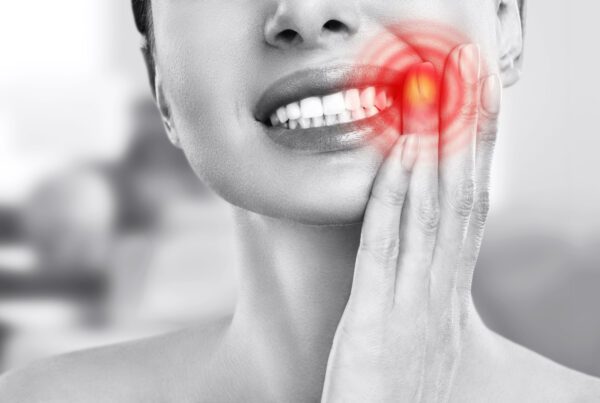
A severe toothache isn't just uncomfortable—it's often a sign of a serious underlying problem that requires prompt attention. While mild sensitivity or occasional discomfort might be managed until your next regular appointment, intense, persistent pain that disrupts your daily life qualifies as a dental emergency.
Severe toothaches can result from various issues including deep cavities, dental abscesses, cracked teeth, exposed tooth roots, or advanced gum disease. The pain may be constant or triggered by temperature changes, biting, or sweet foods. You might also experience swelling, fever, or a bad taste in your mouth—all signs that professional treatment is needed urgently.
Temporary Relief Before Your Emergency Appointment
While nothing replaces professional dental care, you can take steps to manage pain before reaching our office. Rinse your mouth with warm salt water to reduce inflammation and remove debris. Take over-the-counter pain medication like ibuprofen according to package directions. Apply a cold compress to the outside of your cheek to numb pain and reduce swelling.
Avoid placing aspirin directly on the tooth or gums, as this can cause chemical burns. Also avoid extremely hot, cold, or sugary foods that might trigger more pain.
At Best Dental, we prioritize patients experiencing severe dental pain. We offer same-day appointments, advanced diagnostic imaging to identify the cause, and immediate pain relief through appropriate treatment—whether that's antibiotics for infection, root canal therapy to save the tooth, or other necessary procedures.
3. Broken, Chipped, or Cracked Teeth: Assessing the Damage
Not all broken teeth constitute emergencies, but it's important to understand when a crack or chip requires immediate attention versus when it can wait for a regular appointment. The severity depends on the size of the fracture, whether you're experiencing pain, and whether the tooth's pulp (nerve) is exposed.
Teeth can break for many reasons—biting down on something hard, using your teeth as tools, untreated cavities that weaken tooth structure, or facial trauma. Sometimes a tooth that's been weakened by a large old filling will suddenly fracture under normal chewing pressure.
When a Broken Tooth Needs Emergency Care
Seek emergency dental care immediately if your broken tooth is causing severe pain, has sharp edges cutting your tongue or cheek, has exposed the tooth's nerve (you'll know—it's extremely painful), involves significant bleeding, or resulted from facial trauma that may have caused additional injuries.
Even if a broken tooth isn't causing immediate pain, it's important to schedule an appointment soon. Exposed tooth structure is vulnerable to infection, further damage, and sensitivity. Dr. Jasmine Naderi can assess the damage and recommend the appropriate restoration, which might include dental bonding, a dental crown, or in severe cases, extraction and replacement with a dental implant.
Before reaching our office, rinse your mouth with warm water, save any tooth fragments you can find, apply gauze to any bleeding areas, and use a cold compress to reduce swelling. Avoid chewing on the affected side.
4. Dental Abscess: A Potentially Life-Threatening Emergency
A dental abscess is a serious infection that forms a pocket of pus around a tooth or in the gums. This is one dental emergency you absolutely cannot ignore, as the infection can spread to your jaw, neck, and even other parts of your body, potentially becoming life-threatening if left untreated.
Abscesses typically develop from untreated tooth decay, gum disease, or dental trauma. They cause severe, throbbing pain that may radiate to your ear, jaw, or neck. Other symptoms include swelling in your face or cheek, fever, sensitivity to hot and cold, swollen lymph nodes under your jaw or in your neck, a bad taste in your mouth, and in some cases, a visible pimple-like bump on your gums.
Why Abscesses Require Immediate Treatment
Dental infections don't resolve on their own—they require professional intervention. The infection can spread rapidly, especially in people with compromised immune systems, diabetes, or other health conditions. In rare but serious cases, the infection can spread to the brain, heart, or lungs.
If you suspect you have a dental abscess, call us immediately at (281) 215-3065. Treatment typically involves draining the abscess to remove infected material, prescribing antibiotics to fight the infection, and addressing the underlying cause—usually through root canal therapy to save the tooth or extraction if the tooth cannot be saved.
Never try to drain an abscess yourself or ignore the symptoms hoping they'll improve. Even if an abscess ruptures on its own and pain temporarily decreases, the infection remains and requires professional treatment.
5. Lost Filling or Crown: When Dental Work Fails
Losing a filling or crown isn't usually as critical as other emergencies, but it does require prompt attention—ideally within 24-48 hours. When a restoration falls out, it leaves the underlying tooth structure exposed and vulnerable to further damage, infection, and sensitivity.
Fillings and crowns can come loose for various reasons including new decay around the edges of the restoration, cement failure, biting down on something hard, or simply wear and tear over time. If you notice a crown or filling feels loose, avoid chewing on that side and schedule an appointment soon—it's easier to re-cement a restoration that's still mostly intact than to deal with a completely lost one.
What to Do When You Lose a Restoration
If your crown comes off, clean it gently and try to place it back on the tooth using dental cement from a pharmacy or even a small amount of toothpaste as a temporary adhesive. This protects the tooth and makes eating more comfortable until you can see us. Bring the crown to your appointment—we can often re-cement the original restoration rather than creating a new one.
For lost fillings, you can use temporary filling material from a pharmacy to protect the tooth, but this is only a short-term solution. The tooth needs a permanent restoration to prevent further decay and damage.
Contact Best Dental to schedule an appointment as soon as possible. We offer same-day and next-day appointments for lost restorations. Dr. Naderi will examine the tooth, remove any decay that may have developed, and place a new filling or crown to restore function and protect the tooth.
6. Soft Tissue Injuries: When to Worry About Cuts and Lacerations
Injuries to the soft tissues of your mouth—including your lips, tongue, cheeks, and gums—can result from accidents, sports injuries, or biting down wrong. While minor cuts often heal on their own, some soft tissue injuries require emergency dental or medical attention.
Seek immediate care if bleeding doesn't stop after 15 minutes of applying pressure, the cut is deep or long (more than half an inch), the injury resulted from a puncture wound or animal bite, you have debris embedded in the wound that you can't remove, or you're experiencing difficulty breathing or swallowing.
First Aid for Oral Soft Tissue Injuries
For minor cuts, rinse your mouth with salt water to clean the area. Apply firm but gentle pressure using clean gauze or a cloth. Use a cold compress on the outside of your mouth to reduce swelling and numb the area.
For more severe lacerations, you may need to visit an emergency room in addition to seeing a dentist, especially if the injury is to your face or if you've lost a significant amount of blood. Our oral surgery team can handle many oral soft tissue injuries, including suturing lacerations and treating injuries to the gums or tongue.
7. Orthodontic Emergencies: Broken Braces and Wires
If you or your child has braces, you might eventually face an orthodontic emergency. While most orthodontic issues aren't as urgent as other dental emergencies, some situations require prompt attention to prevent injury and ensure treatment stays on track.
Common orthodontic emergencies include wires poking into the cheek or gums, broken or loose brackets, lost rubber bands or spacers, and general discomfort that's more severe than typical adjustment soreness. A wire poking into soft tissue can cause painful sores and should be addressed quickly.
Managing Orthodontic Issues
For a poking wire, try using the eraser end of a pencil to gently push it into a more comfortable position. You can also cover the end with orthodontic wax to prevent it from irritating your cheek. For a loose bracket that's still attached to the wire, leave it in place and cover it with wax until you can see your orthodontist.
Contact our office if you're experiencing severe pain, have a wire that's broken completely free and could be swallowed, or have damage from a facial injury. We offer both Invisalign and traditional braces, and our team can address most orthodontic emergencies promptly.
Prevention: The Best Emergency Care is the One You Don't Need
While not all dental emergencies can be prevented, many can be avoided with proper precautions and regular dental care. Here are the most effective ways to protect yourself and your family from common dental emergencies:
Regular Dental Checkups
Routine dental exams and cleanings every six months allow us to catch problems before they become emergencies. We can identify cavities when they're small, monitor old fillings, spot cracks before they cause pain, and treat gum disease in its early stages.
Wear Protection During Sports
Athletic mouthguards are essential for contact sports like football, hockey, basketball, and martial arts. Even non-contact sports like skateboarding and biking can benefit from mouthguard protection. Custom-fitted guards from your dentist offer the best protection and comfort.
Avoid Dental Damage Risks
Don't chew ice, hard candy, or popcorn kernels. Never use your teeth to open packages, crack nuts, or hold objects. If you grind your teeth at night, ask about a custom nightguard. These simple precautions prevent many broken teeth and lost fillings.
Address Small Problems Early
Don't ignore tooth sensitivity, loose fillings, or mild pain. Small problems are much easier and less expensive to fix than emergencies. A small cavity can be filled easily, but if you wait, it might require a root canal or even extraction.
Maintain Excellent Oral Hygiene
Brush twice daily for two minutes, floss daily, and use antimicrobial mouthwash. Good oral hygiene prevents the cavities and gum disease that lead to many dental emergencies. Strong, healthy teeth are less likely to break or become infected.
Know Your Emergency Plan
Save our emergency number in your phone: (281) 215-3065. Keep a dental emergency kit at home with gauze, temporary filling material, dental cement, pain relievers, and our contact information. Knowing what to do in an emergency can make all the difference.
What Makes Best Dental Your Best Choice for Emergency Care
When you're experiencing a dental emergency, you need a team you can trust to provide fast, effective, compassionate care. Here's why Richmond residents choose Best Dental for their urgent dental needs:
Why Choose Best Dental for Emergencies
- Same-Day Emergency Appointments: We prioritize emergency cases and make every effort to see you the same day you call
- Experienced Emergency Team: Dr. Sonny Naderi specializes in oral surgery and emergency procedures, with extensive training in handling dental trauma
- Advanced Diagnostic Technology: Digital X-rays and 3D imaging help us quickly and accurately diagnose the problem
- Comprehensive Treatment: From simple repairs to complex procedures—we handle it all in one convenient location
- Pain Relief Priority: We understand dental pain can be excruciating, and providing immediate relief is our top concern
- Insurance Accepted: We work with most major dental insurance plans and offer flexible financing for emergency care
- Family-Friendly Care: We treat patients of all ages, from children to seniors, providing gentle, compassionate emergency care for everyone
Understanding Emergency Dental Costs
One concern that keeps people from seeking emergency dental care is cost. At Best Dental, we believe financial concerns should never prevent you from getting the urgent care you need. That's why we offer transparent pricing and multiple payment options.
Most dental insurance plans cover emergency care at a higher percentage than routine procedures. Emergency exams and pain relief are often covered at 80-100%, while treatments like extractions and root canals typically receive 50-80% coverage. Our insurance team will verify your benefits and maximize your coverage to minimize out-of-pocket costs.
For patients without insurance, we offer flexible payment plans and work with healthcare financing companies like CareCredit. We'll provide a clear cost estimate before beginning treatment so you know exactly what to expect.
💡 Special Offer for Emergency Patients
We offer FREE emergency exams and X-rays for all patients—new and existing. We want to remove barriers to emergency care so you can get the treatment you need when you need it most. Call (281) 215-3065 to schedule your emergency appointment today.
Beyond Emergencies: Your Partner in Complete Dental Health
While we're experts in emergency dentistry, Best Dental offers comprehensive dental services for your entire family. Once your emergency is resolved, we're here to help you maintain optimal oral health and prevent future problems.
Our services include preventive care with regular cleanings and exams, restorative dentistry to repair damaged teeth, cosmetic dentistry to enhance your smile, orthodontic treatment with Invisalign and braces, and dental implants to permanently replace missing teeth.
Led by Dr. Jasmine Naderi and Dr. Sonny Naderi, our team brings over 35 years of combined experience to every patient we serve. We're committed to building lasting relationships with our patients, providing excellent care from emergency situations through routine preventive maintenance.
Don't Wait When You Have a Dental Emergency
Dental emergencies require prompt attention to prevent complications and save teeth. If you're experiencing any of the emergencies discussed in this article, contact Best Dental immediately. Our experienced team is ready to provide the urgent care you need.
Learn More About Emergency CareOr Call Us Now: (281) 215-3065
Final Thoughts: Be Prepared for Dental Emergencies
Dental emergencies are stressful and often painful, but knowing what to do can make all the difference in the outcome. Remember these key points:
- Act quickly—especially for knocked-out teeth where time is critical
- Call our office immediately to get professional guidance and schedule emergency care
- Don't ignore severe pain, swelling, or signs of infection
- Save our emergency number in your phone: (281) 215-3065
- Take preventive measures to reduce your risk of dental emergencies
At Best Dental in Richmond, TX, we're here when you need us most. Whether you're experiencing a dental emergency right now or want to establish care with a practice that's prepared to handle urgent situations, we're ready to help. Contact us today to learn more about our emergency dental services or to schedule a preventive care appointment that could help you avoid emergencies altogether.
Don't let dental pain or trauma go untreated. Reach out to our experienced team at Best Dental—we're your trusted partner for all your dental care needs, from emergencies to routine maintenance.