

Wisdom Teeth vs. Regular Tooth Extraction: Key Differences You Should Know
If you've been told you need a tooth extraction, you might be wondering: "Is this the same as getting wisdom teeth removed?" While both procedures involve removing teeth, there are significant differences in complexity, recovery time, and what you should expect. Understanding these distinctions can help you prepare mentally and physically for your procedure.
At Best Dental in Richmond, TX, we perform both routine extractions and complex wisdom tooth removals regularly. In this comprehensive guide, we'll break down the key differences between these procedures so you know exactly what to expect.
What Makes Wisdom Teeth Different?
Location and Access
Wisdom teeth, also called third molars, are the very last teeth at the back of your mouth. This location presents several unique challenges:
- Difficult to reach: Their position at the rear of the jaw makes them harder to access with dental instruments
- Limited visibility: Dentists have restricted line of sight, making the procedure more technically demanding
- Proximity to nerves: Wisdom teeth often sit close to important nerves and sinuses, requiring extra caution
- Jaw bone involvement: They're typically embedded deeper in the jawbone than other teeth
Impaction Issues
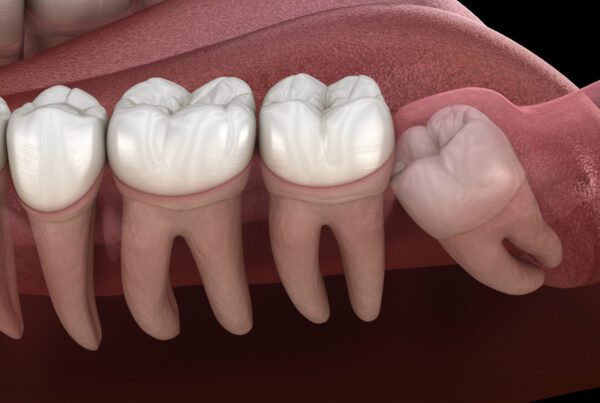
Unlike most other teeth that need extraction, wisdom teeth are frequently impacted, meaning they haven't fully emerged through the gum line. There are several types of impaction:
- Soft tissue impaction: The tooth has penetrated the bone but not broken through the gums
- Partial bony impaction: The tooth has partially erupted but remains partly covered by bone and gum tissue
- Complete bony impaction: The tooth is completely encased in the jawbone
- Horizontal impaction: The tooth is lying sideways instead of growing vertically
Regular teeth rarely present these impaction challenges, making their removal typically more straightforward.
Side-by-Side Comparison
How the Procedures Differ
Regular Tooth Extraction Process
Numbing
Local anesthetic is administered to numb the tooth and surrounding area. You'll feel pressure but no pain.
Loosening
The dentist uses an instrument called an elevator to gently rock the tooth back and forth, loosening it from the ligaments holding it in place.
Removal
Forceps are used to grasp and remove the tooth in one piece. You'll feel pressure but the area is numb.
Cleaning & Closure
The socket is cleaned and usually allowed to heal naturally. Stitches are rarely needed for simple extractions.
Wisdom Tooth Removal Process
Sedation & Anesthesia
In addition to local anesthetic, many patients receive sedation (oral, IV, or general anesthesia) for comfort during the longer procedure.
Incision
If the tooth is impacted, an incision is made in the gum tissue to expose the tooth and surrounding bone.
Bone Removal
Any bone blocking access to the tooth root is carefully removed using specialized instruments.
Tooth Sectioning
The tooth is often divided into sections to make removal easier and less traumatic to surrounding tissue.
Extraction
Each section of the tooth is carefully removed. This may require some manipulation to free the tooth from the socket.
Cleaning & Suturing
The site is thoroughly cleaned, and the gum is stitched closed to promote healing. Dissolvable stitches are typically used.
Recovery: What to Expect
Regular Tooth Extraction Recovery
- Some bleeding is normal; bite on gauze as directed
- Mild to moderate discomfort managed with over-the-counter pain relievers
- Minimal swelling in most cases
- Can often return to normal activities the same day
- Pain should be decreasing
- Blood clot forms in socket—critical for healing
- Can resume soft foods and gentle oral hygiene
- Most discomfort resolves
- Can return to normal eating (avoiding the extraction site)
- Socket begins filling in with new tissue
- Soft tissue healing is largely complete
- Bone remodeling continues for several months
Wisdom Tooth Removal Recovery
- Significant bleeding controlled with gauze changes
- Moderate pain requiring prescription pain medication
- Swelling begins, ice packs help minimize it
- Rest is essential; avoid physical activity
- Stick to very soft or liquid diet
- Swelling typically peaks during this period
- Bruising may appear on face and neck
- Pain should start to improve
- Continue soft diet and gentle salt water rinses
- Swelling begins to subside
- Pain significantly reduced
- Can gradually reintroduce semi-solid foods
- Stitches may dissolve or be removed
- Most symptoms resolve
- Can return to all normal activities
- Sockets continue healing internally
- Complete bone remodeling and healing
- Sockets fully filled in
When Is Each Procedure Necessary?
Regular Tooth Extraction Needed For:
- Severe tooth decay: When a tooth is too damaged for a dental crown or filling to save it
- Advanced gum disease: When periodontal disease has destroyed the bone supporting a tooth
- Fractured teeth: Teeth broken beyond repair from trauma or injury
- Orthodontic treatment: Creating space for teeth straightening with orthodontics
- Failed root canal: When root canal treatment doesn't resolve infection
- Baby teeth retention: Primary teeth that don't fall out naturally and block permanent teeth
- Overcrowding: Multiple teeth competing for limited space
- Pre-denture preparation: Removing unsalvageable teeth before dentures
Wisdom Tooth Removal Needed For:
- Impaction: Wisdom teeth trapped beneath gums or bone, unable to erupt properly
- Infection: Pericoronitis (infection of tissue around partially erupted wisdom teeth)
- Crowding: Wisdom teeth pushing against other teeth, causing shifting or pain
- Cyst formation: Fluid-filled sacs developing around impacted wisdom teeth
- Decay: Cavities in wisdom teeth that are difficult to access for treatment
- Gum disease: Inflammation around wisdom teeth due to inability to clean properly
- Pain: Chronic discomfort from erupting or impacted wisdom teeth
- Preventive removal: Extracting problem-free wisdom teeth to prevent future complications
- Orthodontic planning: Removing wisdom teeth before they interfere with alignment
Pain Management: A Critical Difference
Regular Extraction Pain Management
For most simple tooth extractions, pain management is relatively straightforward:
- During procedure: Local anesthetic ensures you feel no pain, only pressure
- After procedure: Over-the-counter medications like ibuprofen or acetaminophen are usually sufficient
- Duration: Discomfort typically resolves within 24-48 hours
- Management at home: Ice packs, rest, and avoiding the extraction site when eating are usually enough
Wisdom Tooth Removal Pain Management
Wisdom tooth extraction often requires more comprehensive pain control:
- During procedure: Options range from local anesthesia to full IV sedation or general anesthesia
- Immediately after: Prescription pain medications are often provided for the first few days
- Duration: Moderate to significant discomfort can last 3-7 days
- Management protocol: Combination of ice (first 48 hours), heat (after 48 hours), prescribed medications, rest, and specific dietary restrictions
- Anti-inflammatory focus: Medications that reduce swelling are particularly important for wisdom teeth recovery
Important Note: The level of pain varies significantly based on the complexity of the extraction. A simple, fully erupted wisdom tooth may have a recovery similar to a regular extraction, while a deeply impacted wisdom tooth will require more extensive pain management. Your oral surgeon will provide specific pain management instructions tailored to your procedure.
Potential Complications: Understanding the Risks
While both procedures are generally safe, understanding potential complications helps you recognize warning signs and seek prompt treatment if needed.
Complications Common to Both
- Dry socket (Alveolar osteitis): When the blood clot dislodges, exposing bone and nerves. Causes severe pain 3-4 days post-extraction. Risk: 2-5% for regular extractions, slightly higher for wisdom teeth.
- Infection: Bacterial infection at the extraction site causing pain, swelling, fever, and bad taste. Treatable with antibiotics.
- Prolonged bleeding: Some oozing is normal for 24 hours, but persistent heavy bleeding requires attention.
- Damage to adjacent teeth: Rare, but nearby teeth can be chipped or damaged during extraction.
Wisdom Tooth-Specific Complications
- Nerve damage: Lower wisdom teeth sit near nerves controlling sensation in the lip, tongue, and chin. Temporary numbness occurs in 1-2% of cases; permanent damage is rare (0.01%).
- Sinus complications: Upper wisdom teeth are close to sinuses. Rarely, extraction can create an opening between mouth and sinus (oro-antral communication).
- Jaw stiffness (trismus): Temporary difficulty opening the mouth wide due to muscle inflammation. Usually resolves in a week.
- Bone fragments: Small pieces of bone may work their way to the surface during healing.
When to Call Your Dentist
Contact Best Dental immediately if you experience:
- Severe pain that worsens after day 3-4
- Heavy bleeding that doesn't stop with pressure
- Fever over 101°F (38.3°C)
- Difficulty breathing or swallowing
- Severe swelling that continues to worsen after 3 days
- Numbness or tingling that persists beyond the anesthesia wearing off
- Pus or bad-tasting drainage from the extraction site
Cost Differences
Regular Tooth Extraction Costs
Simple extractions are generally more affordable because they require less time, fewer materials, and simpler techniques:
- Simple extraction: Typically ranges from $75-$300 per tooth
- Surgical extraction: $150-$650 for teeth requiring minor gum incisions
- Factors affecting cost: Tooth location, root structure, and whether sedation is needed
Wisdom Tooth Removal Costs
Wisdom teeth extraction tends to be more expensive due to complexity and often requiring sedation:
- Simple erupted wisdom tooth: $75-$200 per tooth
- Soft tissue impaction: $225-$400 per tooth
- Partial bony impaction: $250-$450 per tooth
- Complete bony impaction: $275-$500+ per tooth
- Sedation fees: Add $100-$500 depending on type (oral vs. IV sedation)
- All four wisdom teeth: Many offices offer package pricing of $1,000-$3,000 for removing all four at once
Insurance Coverage
Most dental insurance plans cover both regular extractions and wisdom tooth removal, though coverage percentages vary. Medically necessary extractions typically have higher coverage than preventive wisdom tooth removal. At Best Dental, our team will verify your insurance benefits and discuss payment options, including financing through programs like CareCredit.
Choosing the Right Provider
For Regular Tooth Extractions
Most general dentists are well-equipped to perform routine tooth extractions. Look for:
- Experience with the specific type of extraction you need
- Modern equipment and sterilization protocols
- Clear communication about the procedure and recovery
- Availability for follow-up care if needed
- Sedation options if you have dental anxiety
For Wisdom Tooth Removal
While general dentists can remove simple wisdom teeth, complex cases benefit from specialized expertise:
- Oral surgeons have advanced training in complex extractions and surgical techniques
- Experience matters: Dr. Sonny Naderi has removed over 25,000 wisdom teeth
- Sedation certification: Ensure your provider is qualified to administer the sedation level you need
- Emergency protocols: The office should be equipped to handle complications
- Convenient scheduling: Some practices offer all-four wisdom teeth removal in a single appointment
Why Choose Best Dental for Your Extraction?
At Best Dental in Richmond, TX, we offer both routine extractions and complex wisdom tooth removal under one roof. Dr. Jasmine Naderi handles general extractions with precision and care, while Dr. Sonny Naderi specializes in oral surgery including wisdom teeth removal with extensive sedation experience. This collaborative approach means you receive exactly the right level of expertise for your specific needs.
The Bottom Line
While regular tooth extractions and wisdom tooth removals both involve removing teeth, they differ significantly in complexity, recovery time, potential complications, and cost. Understanding these differences helps you:
- Set realistic expectations for your procedure and recovery
- Prepare adequately with time off work, help at home, and proper supplies
- Choose the right provider with appropriate expertise
- Recognize potential complications early
- Make informed decisions about timing and treatment options
The key takeaway: Regular extractions are typically quicker, simpler procedures with faster recovery, while wisdom tooth removal often requires more extensive surgery, specialized expertise, longer recovery, and comprehensive pain management. However, both procedures are routine, safe, and performed successfully thousands of times daily in dental offices across the country.
If you need a tooth extraction or wisdom tooth removal, don't delay treatment. Addressing dental problems promptly prevents more serious complications and often results in easier, less expensive treatment.
Need a Tooth Extraction or Wisdom Tooth Removal?
Our experienced team in Richmond, TX provides both routine extractions and complex wisdom tooth removal with sedation options for your comfort.